Grilled Pork Chops with Onions & Peppers
This is your weekend recipe. Light up the grill. These pork chops are moist, savory and delicious. INGREDIENTS:6 pork chops1.5 tbsp Taste Portugal SeasoningOnions:1 large...

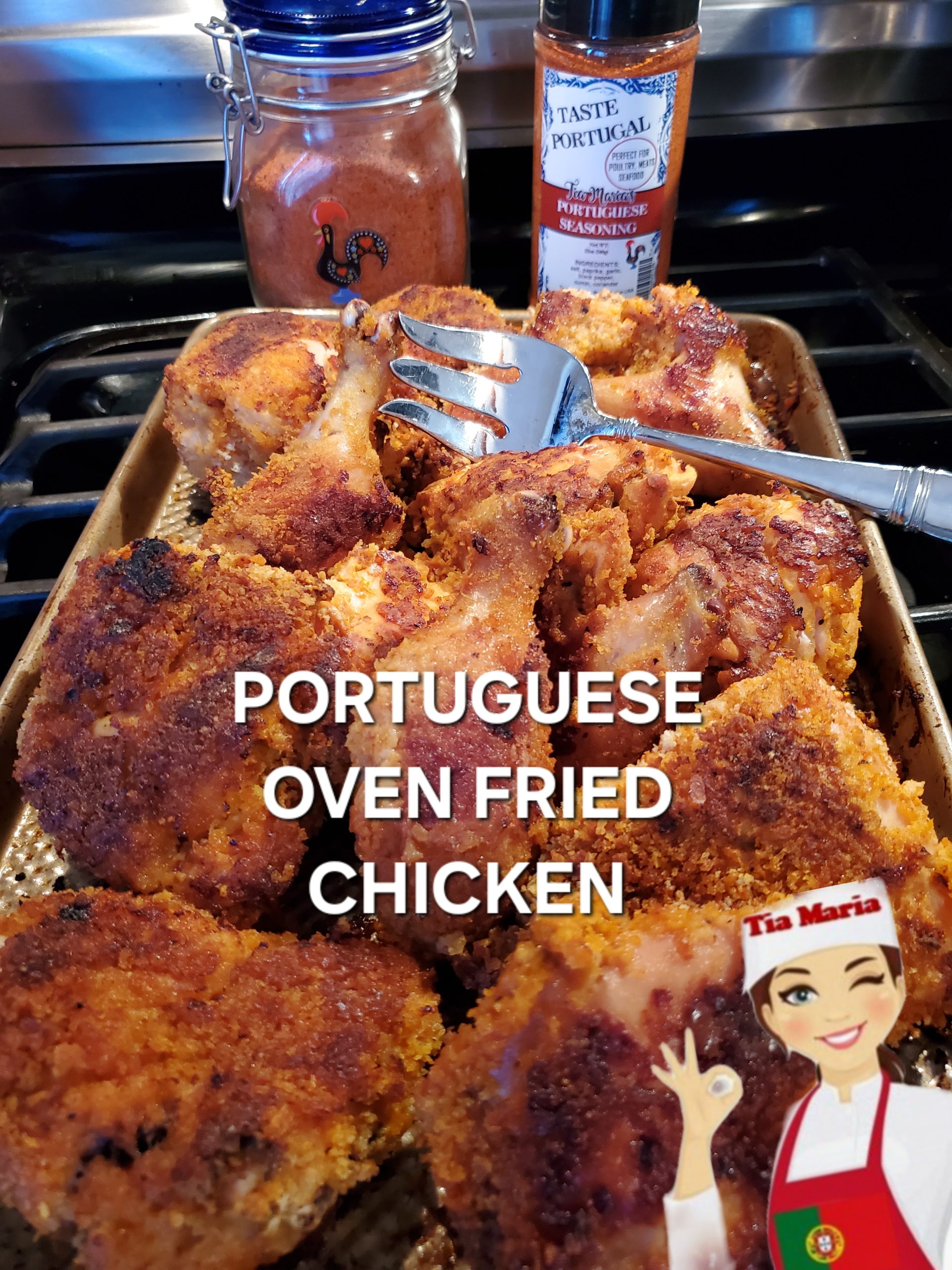
My Oven Fried Chicken 🍗 is savory, easy, and delicious! You’ll never fry chicken again. Trust me. 😋Chicken Prep;10 pieces of chicken2 tbsp Taste Portugal...
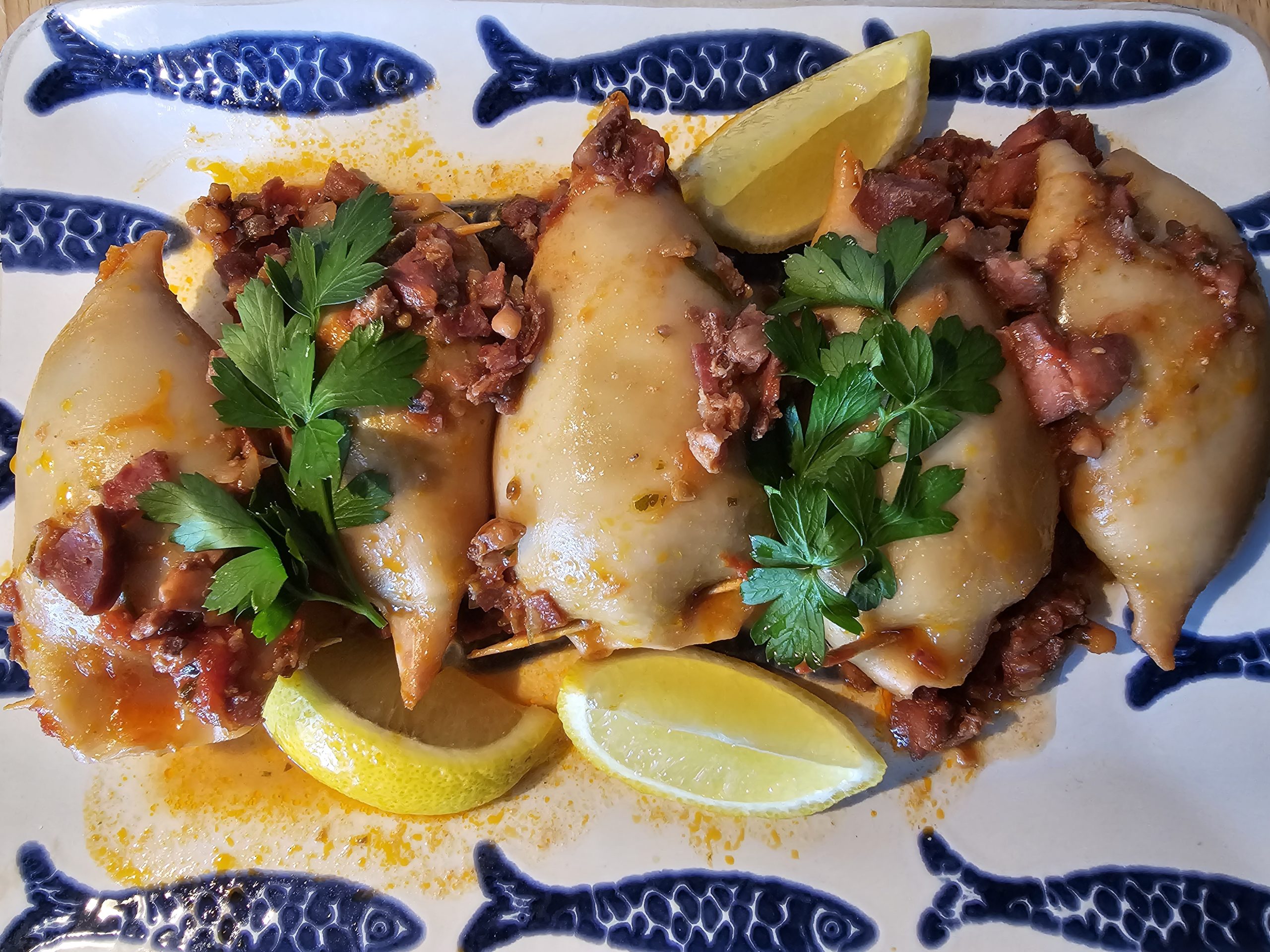
Lulas Reciadas are a classic recipe that you’ll love. This recipe is my TASTE PORTUGAL MORE EASY PORTUGUESE RECIPES. I learned this recipe from my...
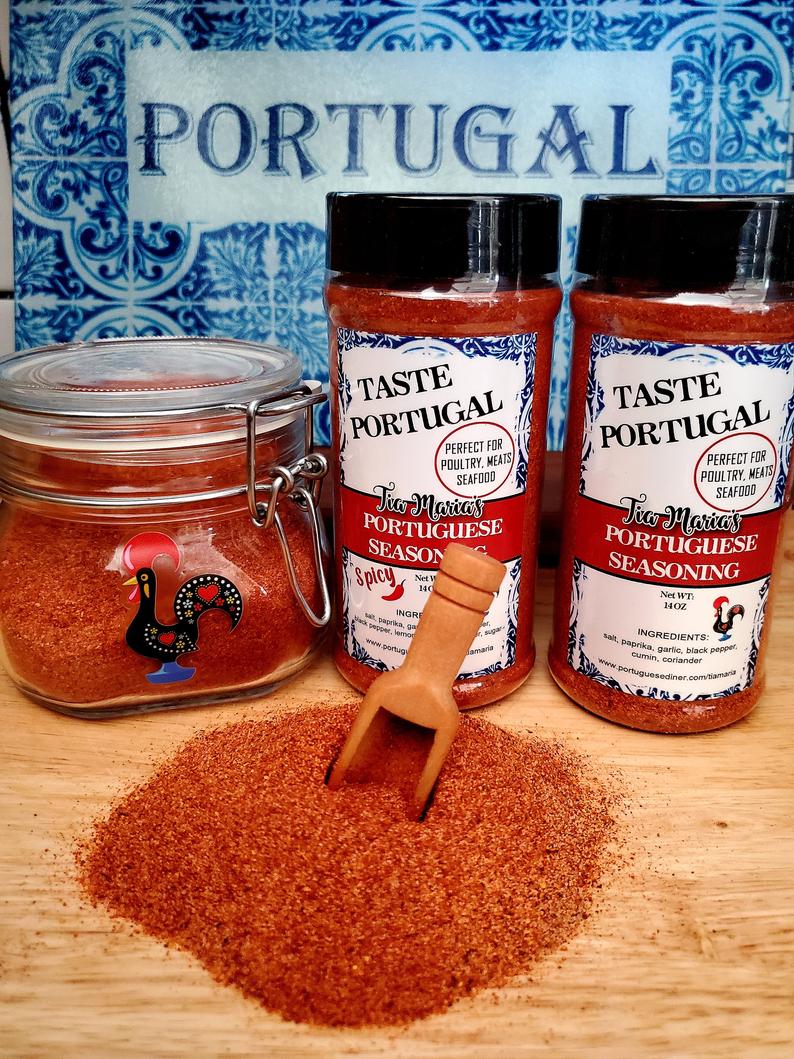
My Taste Portugal Seasonings will make all of your Portuguese recipes delicious. Just shake, marinate and season. No mixing of other spices required because I’ve...
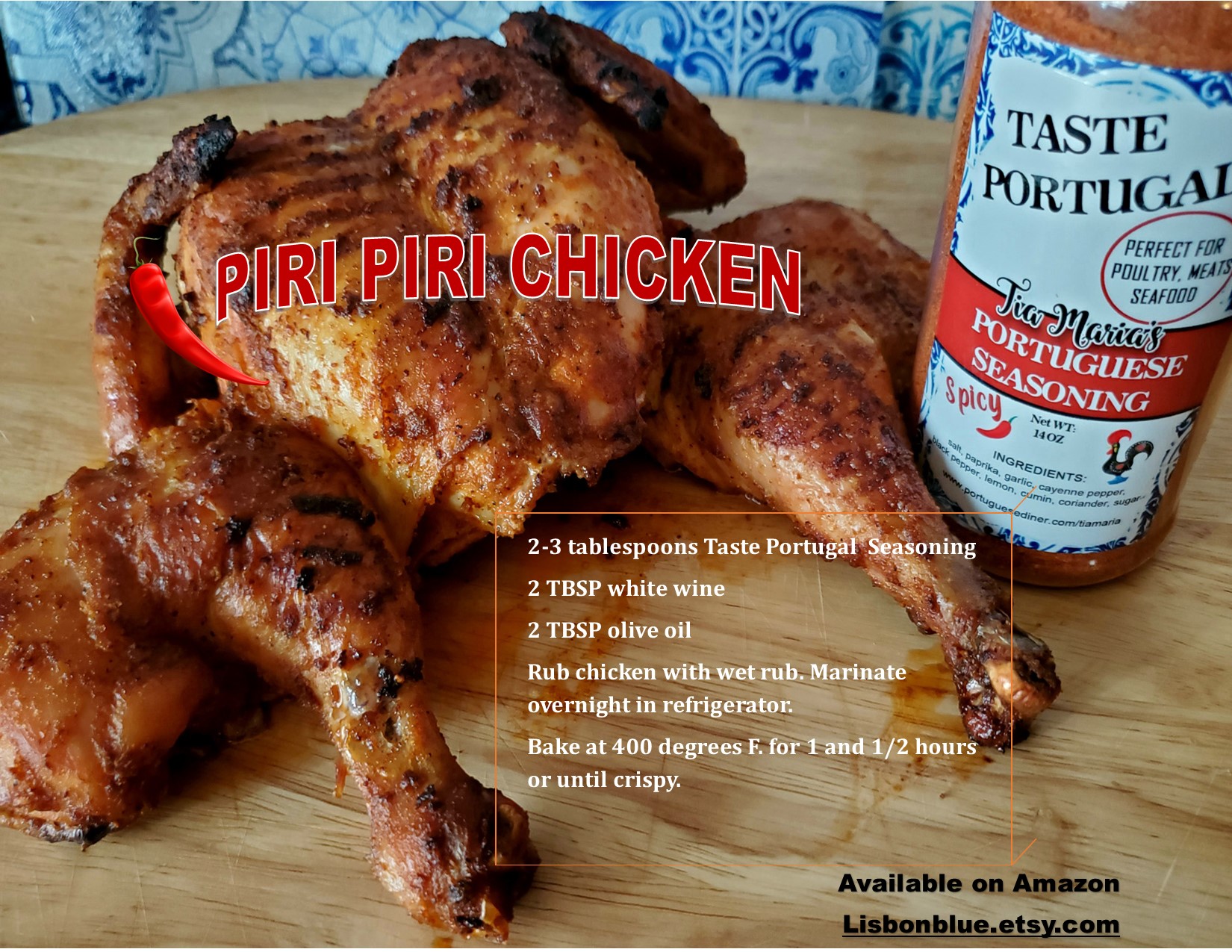
Cooking Portuguese is easy! Watch my videos for Piri Piri Frango Churrasco and Baked Piri Piri Chicken! Order here on Lisbon Blue Etsy shop

Here are five delicious sandwiches made with my favorite 3 Meal Muffins/Portuguese muffins/Bolos Levedos! Visit their website at 3mealmuffin.com to order and to find out...
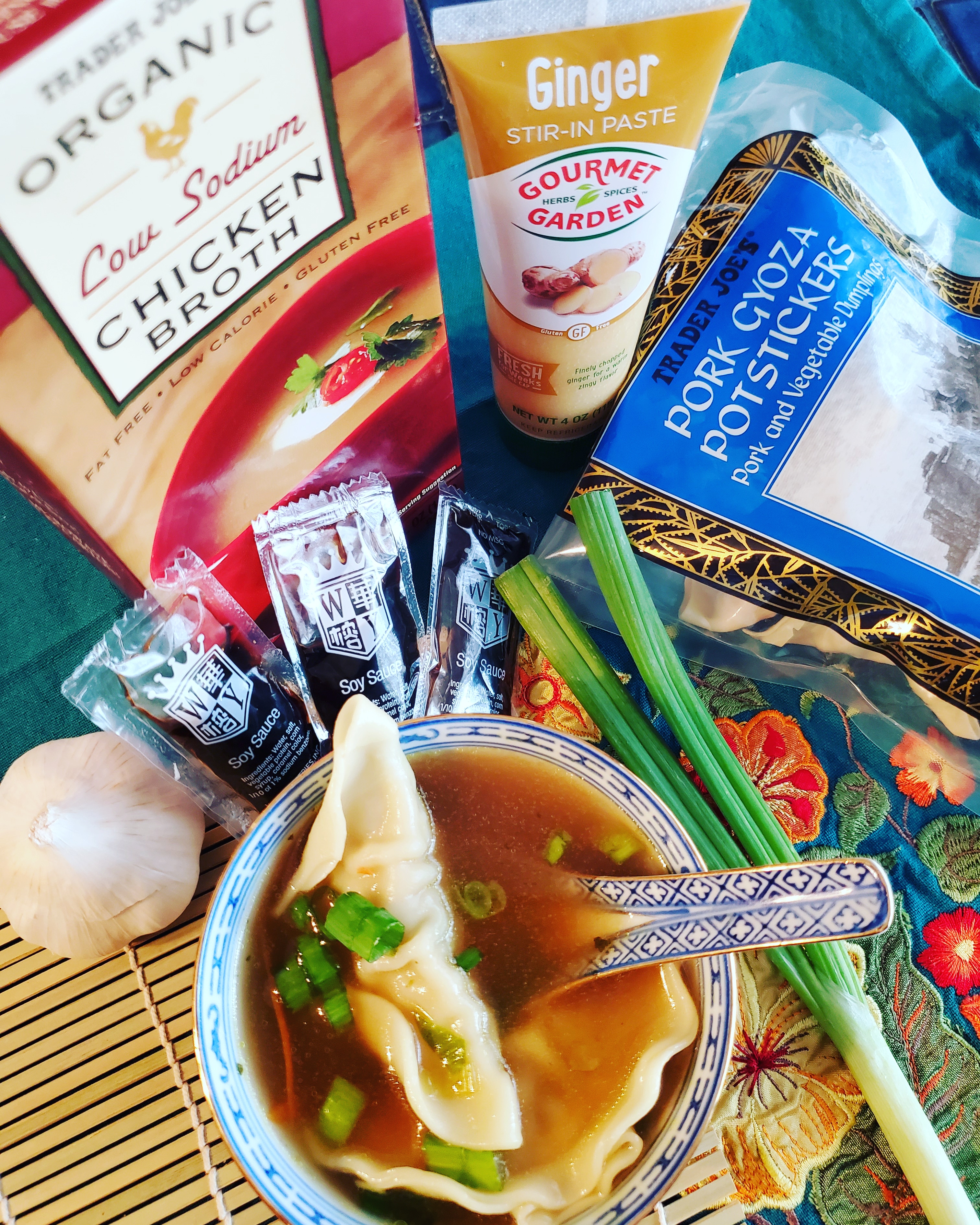
Easy Won Ton Soup This will be your go to easy recipe any day of the week! I’ve made many variations on this soup in...
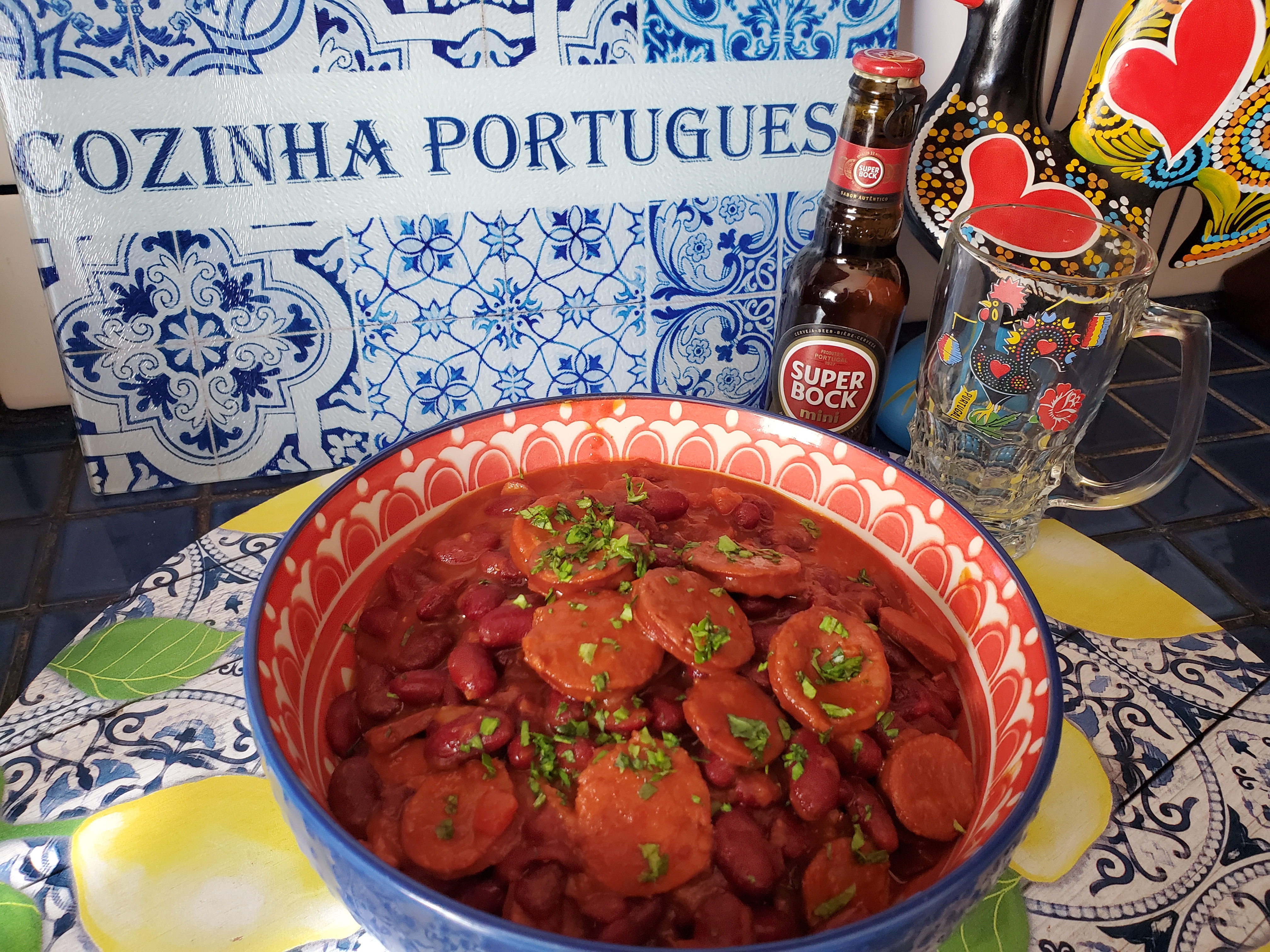
Order this beautiful Glass cutting board on Lisbon Blue shop Watch video recipe here: My family calls this dish Portuguese Chili. It’s easily made with...
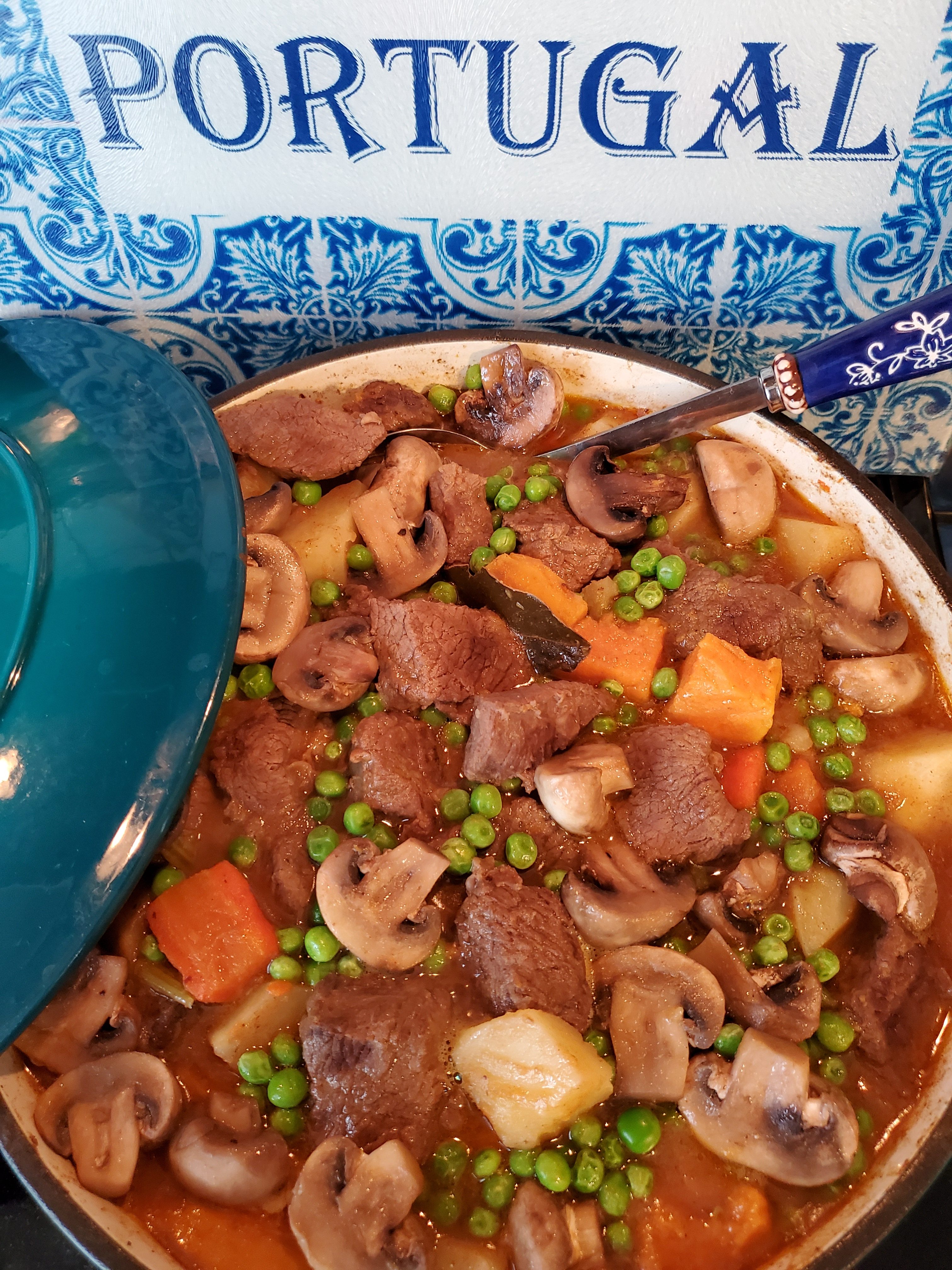
I always add sweet potatoes to my beef stew since it adds great flavor and the texture thickens the broth. Make a big pot to...
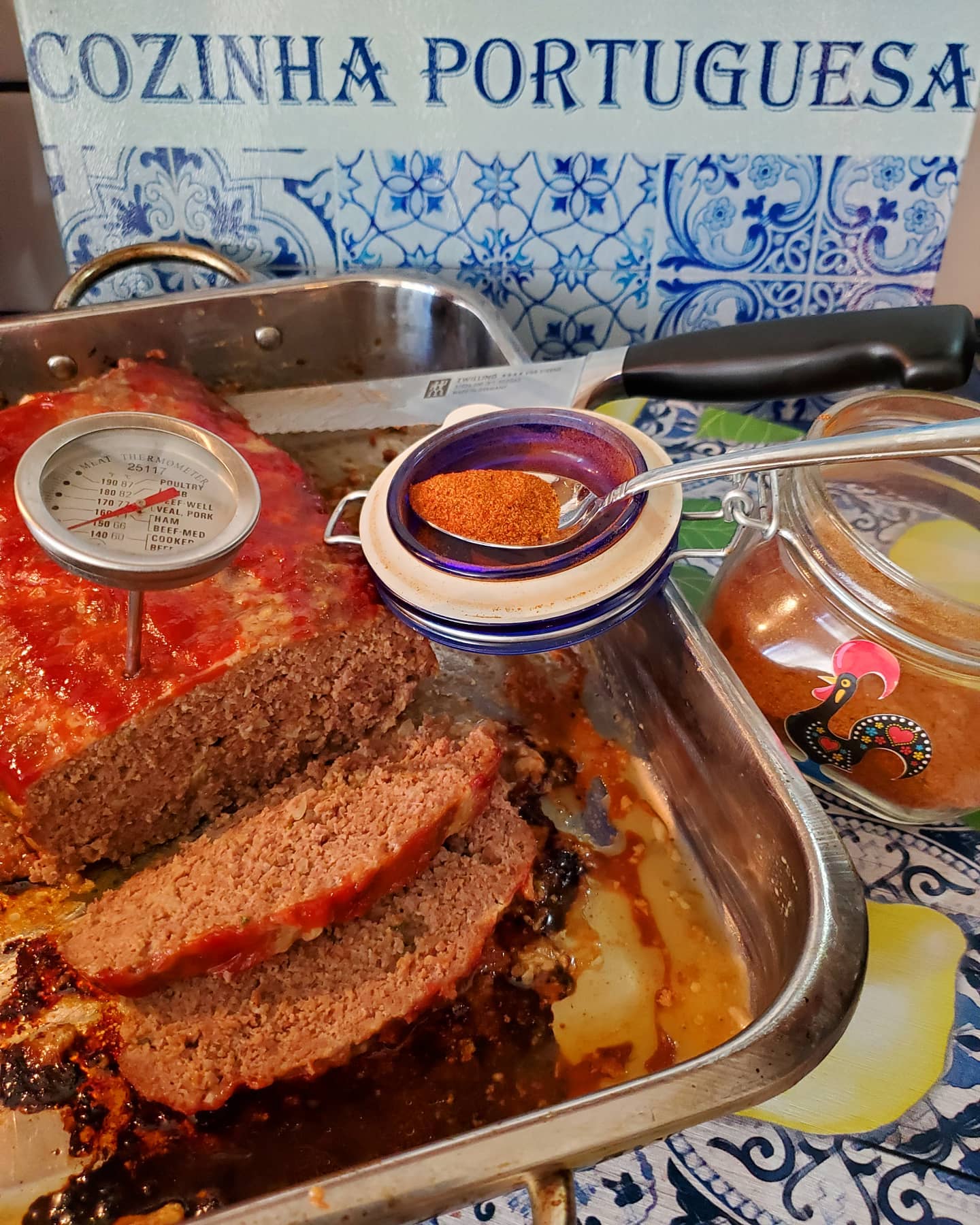
Ingredients: 2 pounds ground beef or ground turkey 2 eggs 1 cup dried seasoned breadcrumbs 1 slice of fresh bread (crumbled, I use a grater)...
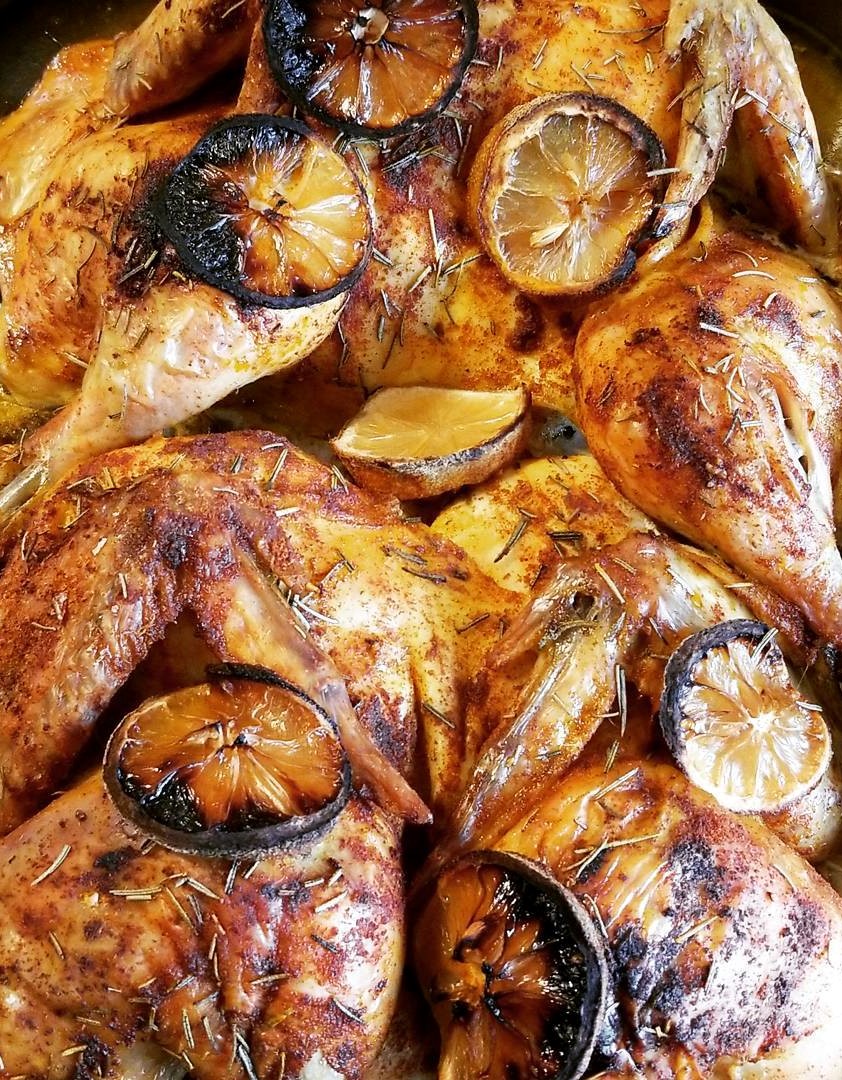
This classic Lemon Rosemary Chicken is moist, juicy and full of lemony flavor. I always make 2 chickens so we can enjoy the chicken the...
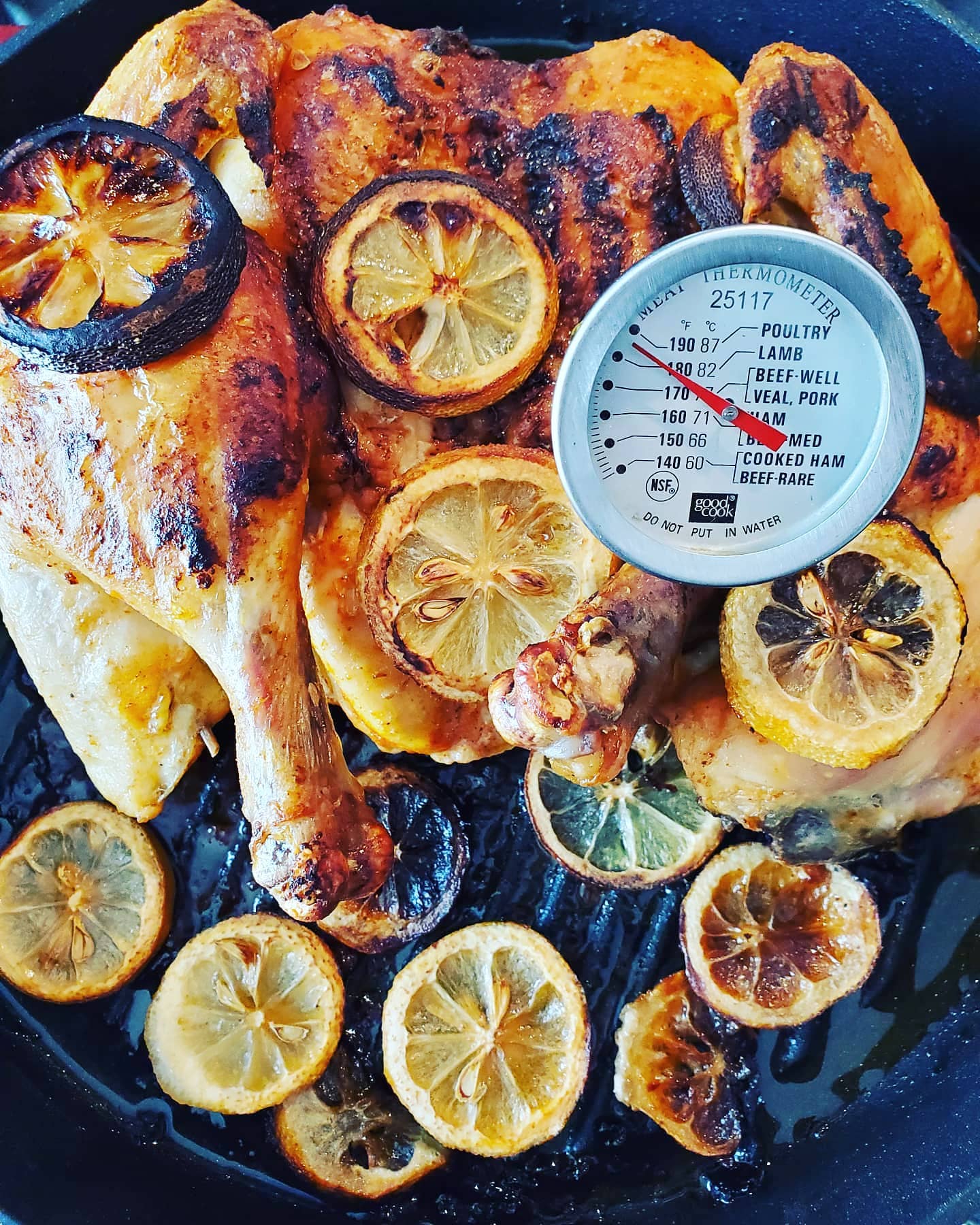
Ingredients: 1 (3 to 4) pound roasting chicken (butterflied) 2 lemons (sliced) 1 large onion (chopped) (optional) ¼ cup olive oil 1 tablespoon butter 1...
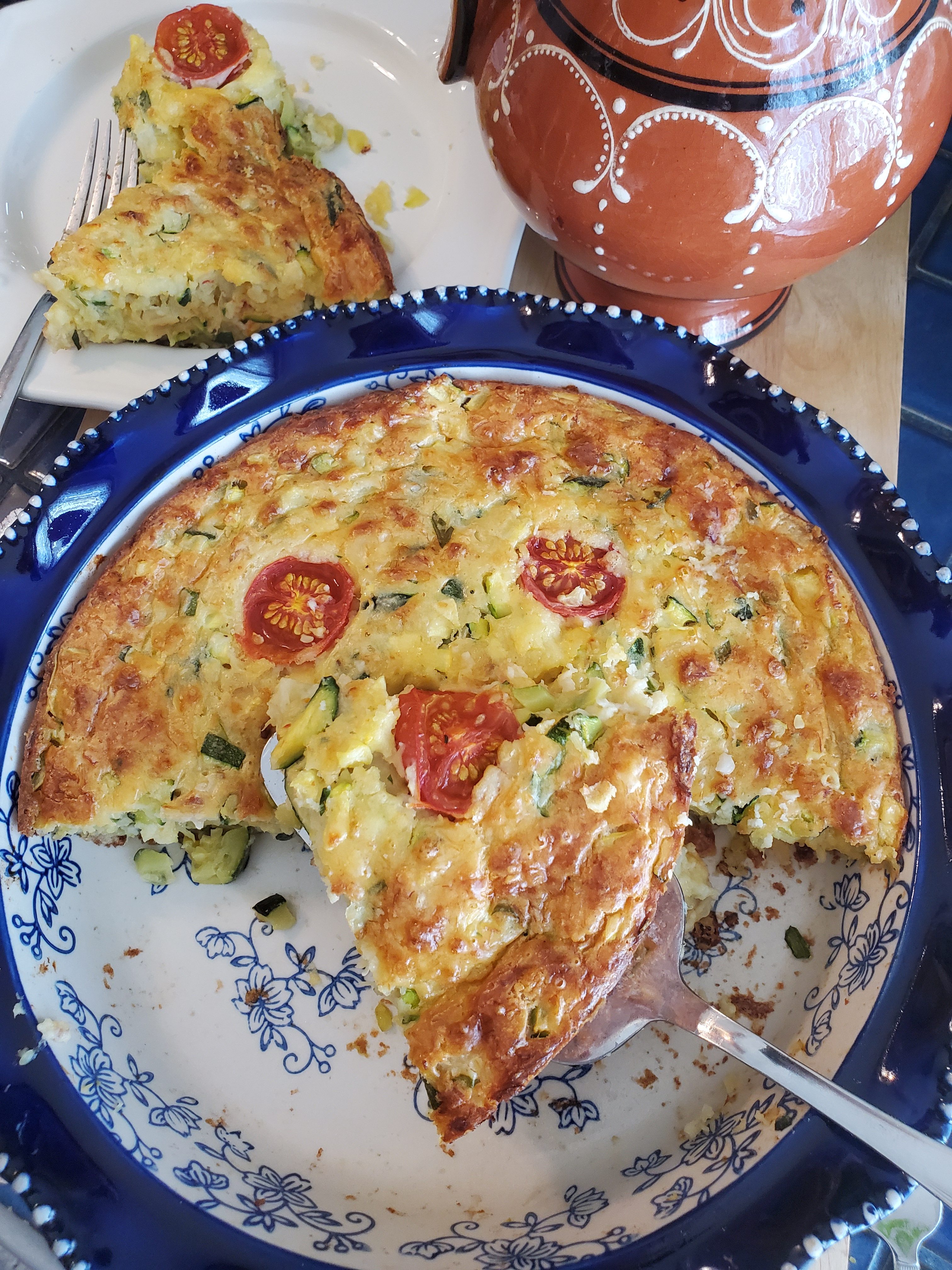
This savory quiche will be your favorite way to use all that summer zucchini that’s in season right now. I bet you have all the...
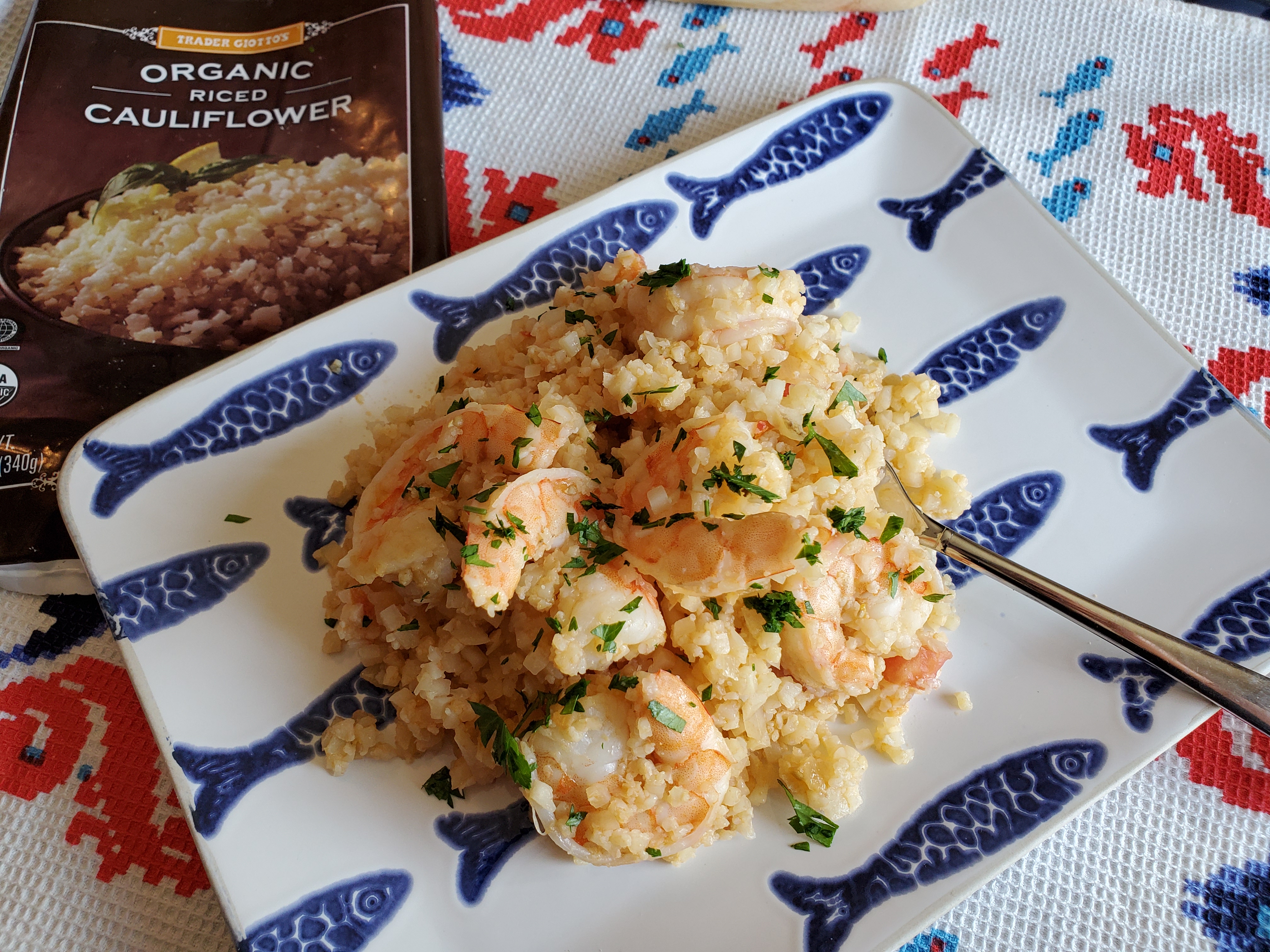
You’ll love this easy, low carb, low calorie version of the classic Portuguese Shrimp and Rice dish that’s one my favorite recipes on this blog....
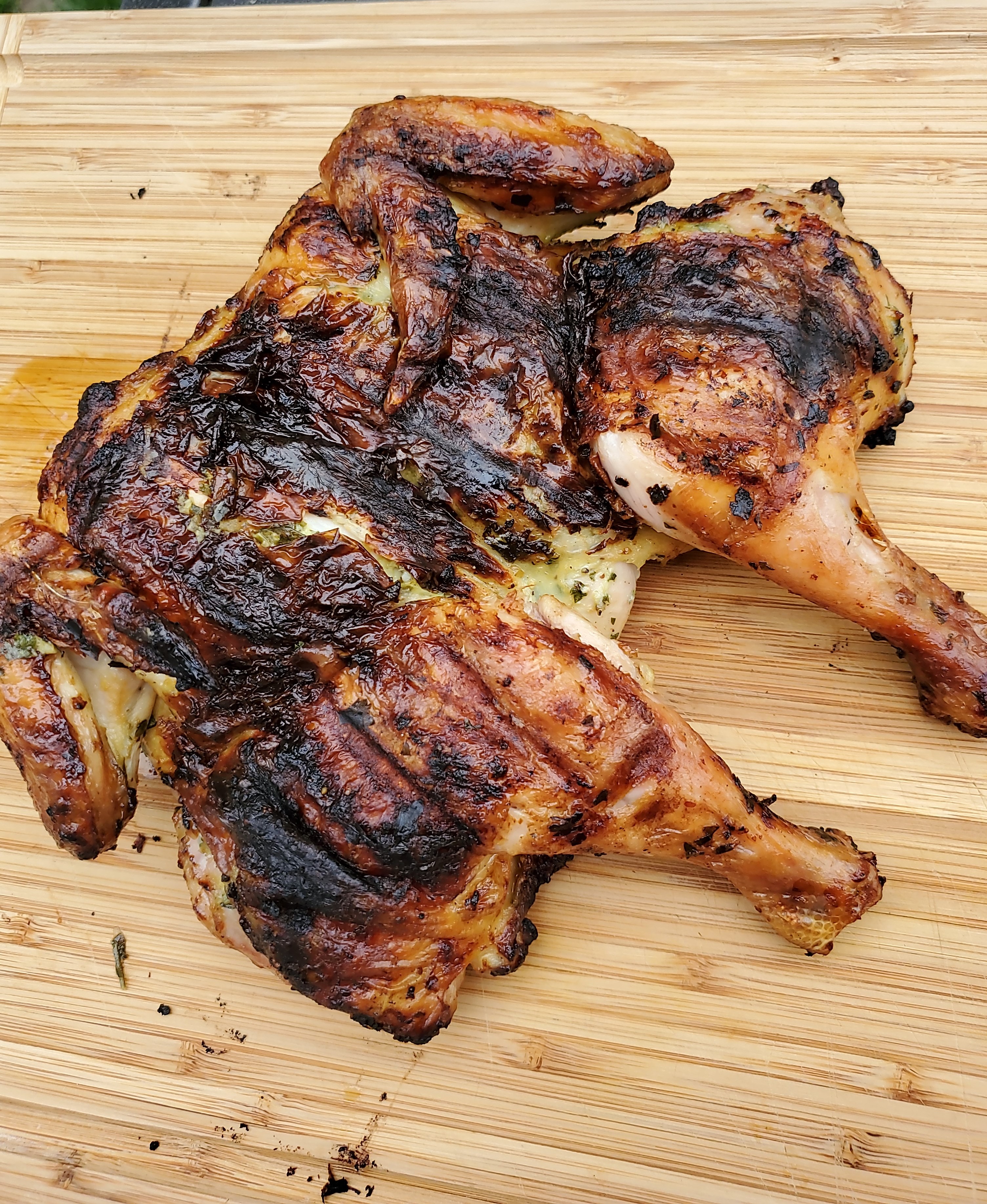
You can’t get the Portuguese Festa experience without enjoying some authentic barbecue chicken while you’re there. The chickens are deliciously flavored with Portuguese spices and...

This Pizza Dough can be used to make any kind of your favorite pizza, flatbread or even foccacia breads. Ingredients: 4 cups flour (more as...
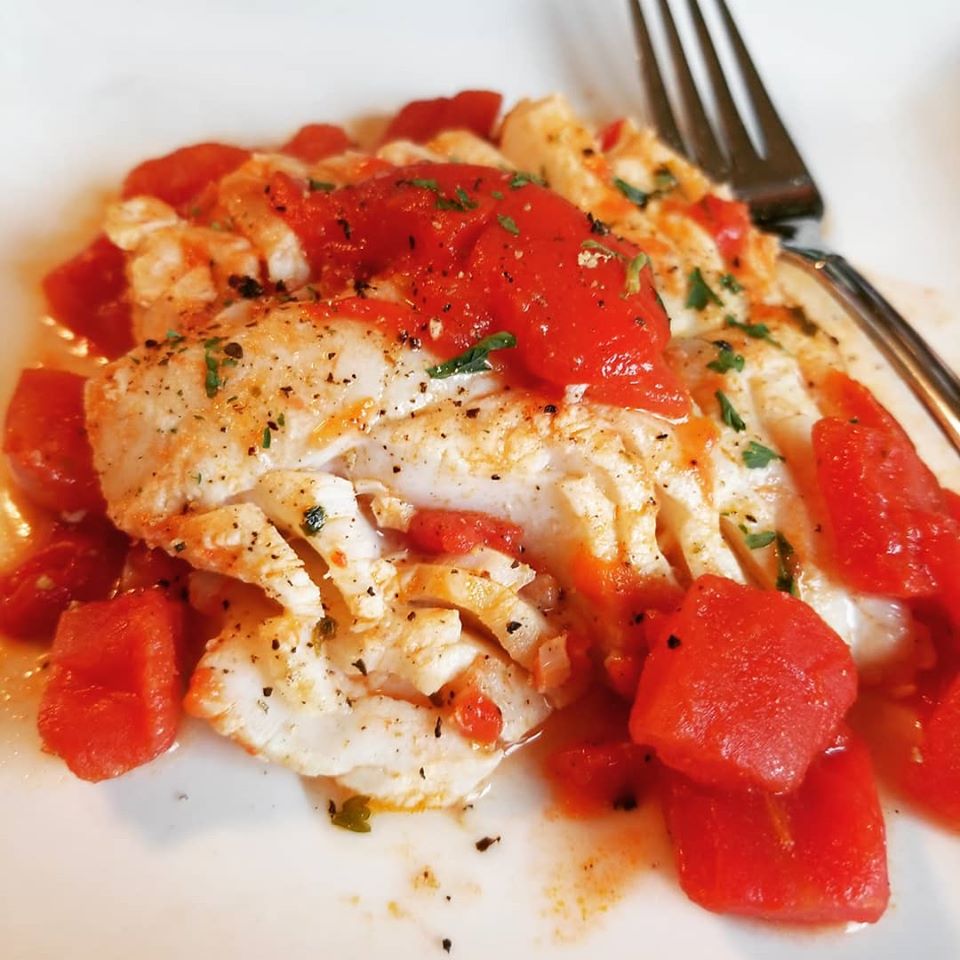
This fresh codfish recipe is simple and delicious! Perfect for lent, meatless Mondays or any day of the week. Feel free to use salt cod...
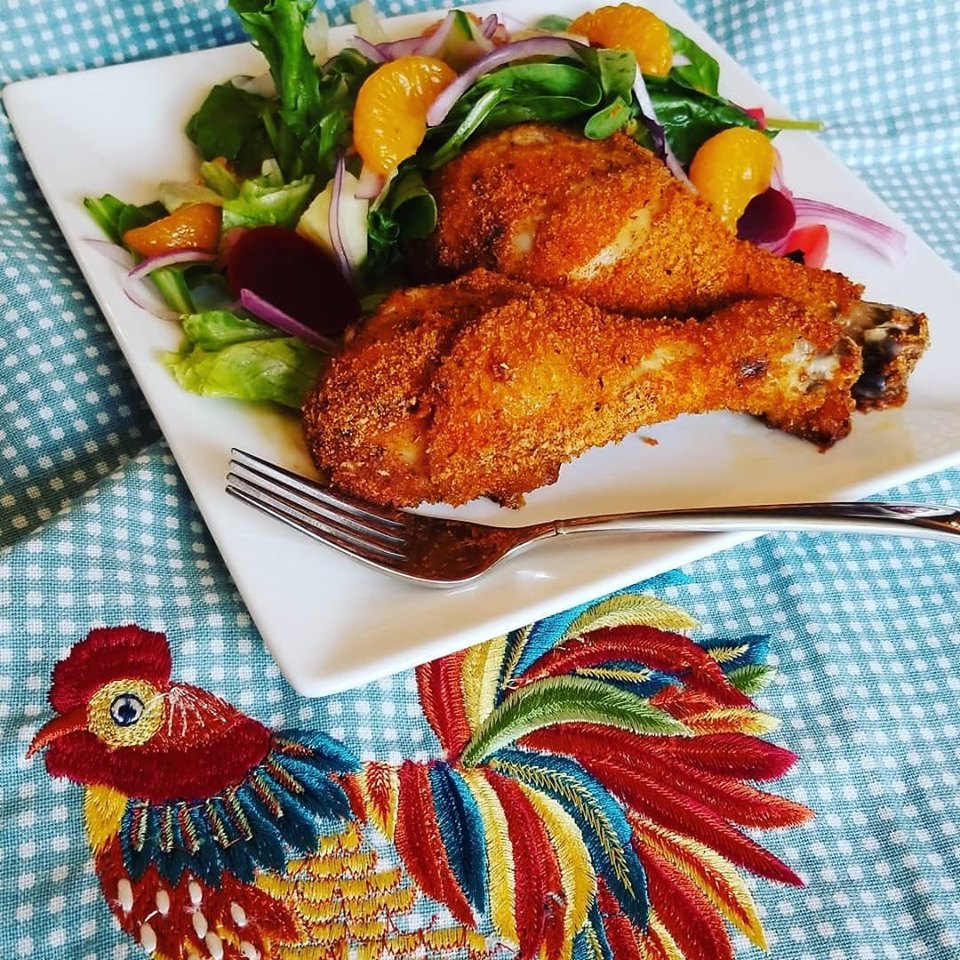
After experimenting with my own Copy Cat – Shake and Bake recipes, I finally came up a winner using some spicy Piri Piri sauce to...
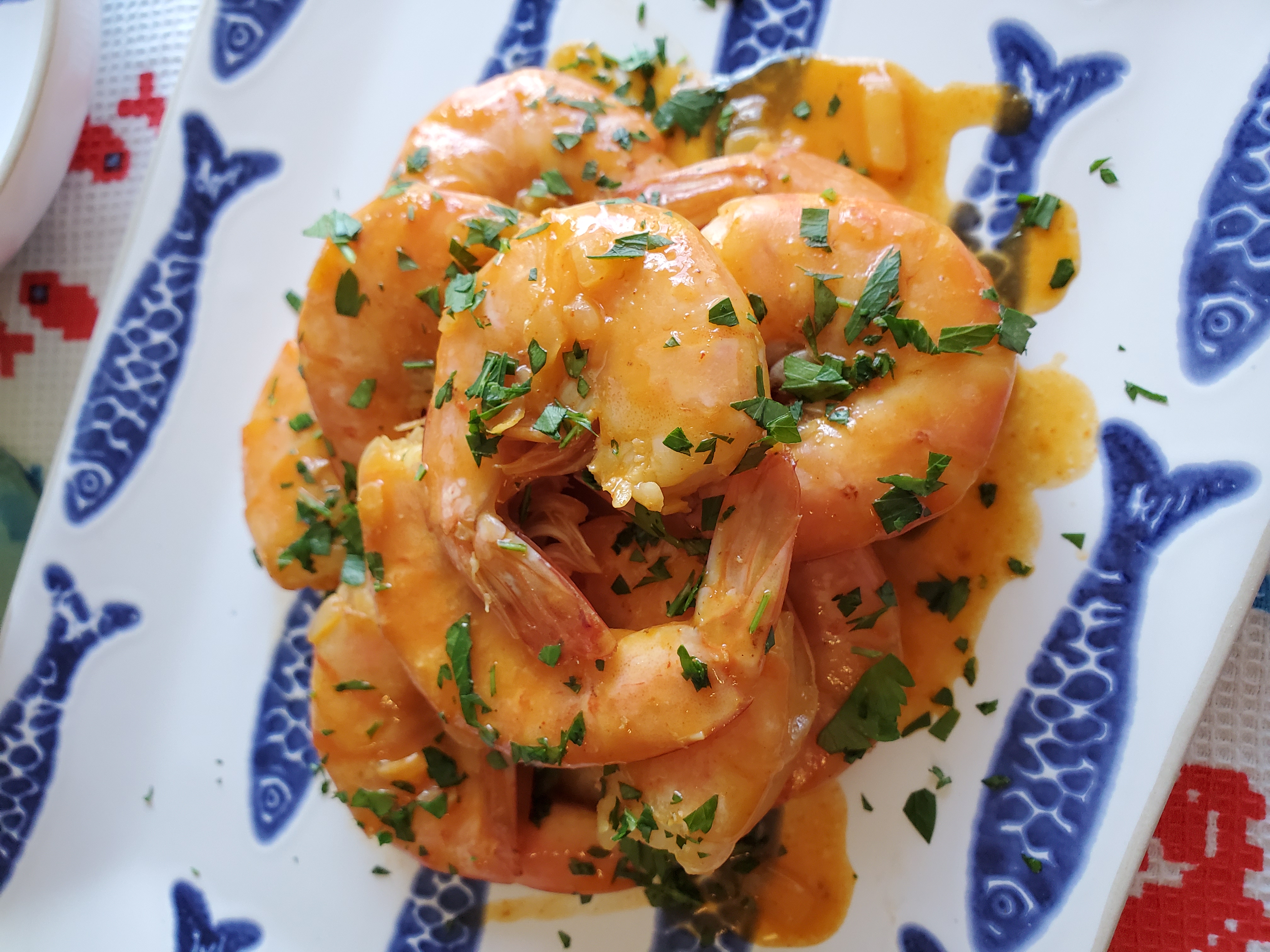
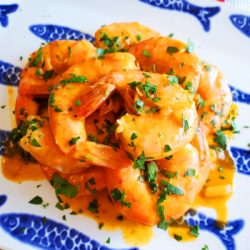
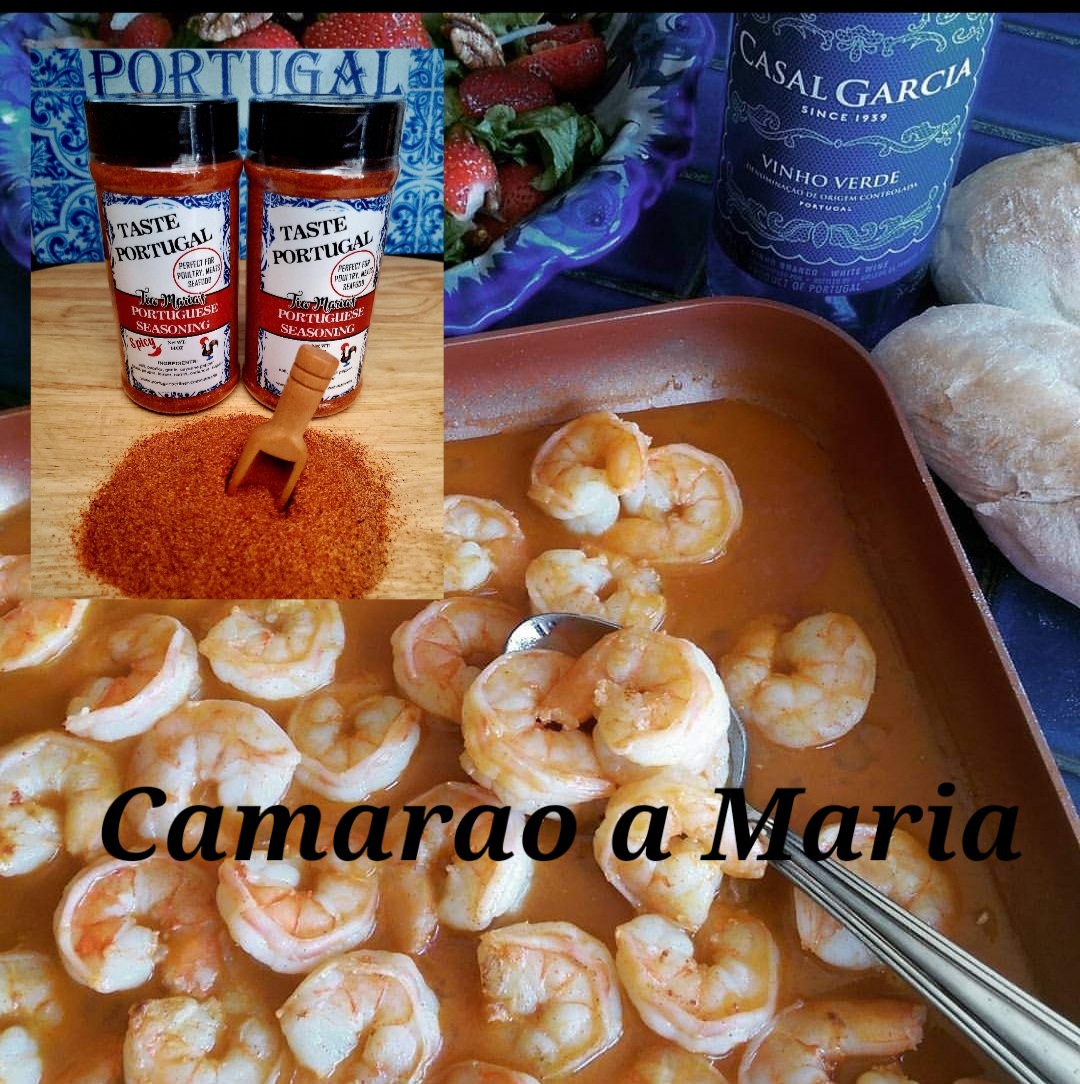
Shrimp Mozambique This shrimp dish is a party in a pan! All you need is some good Vinho Verde, fresh crusty bread for dipping...
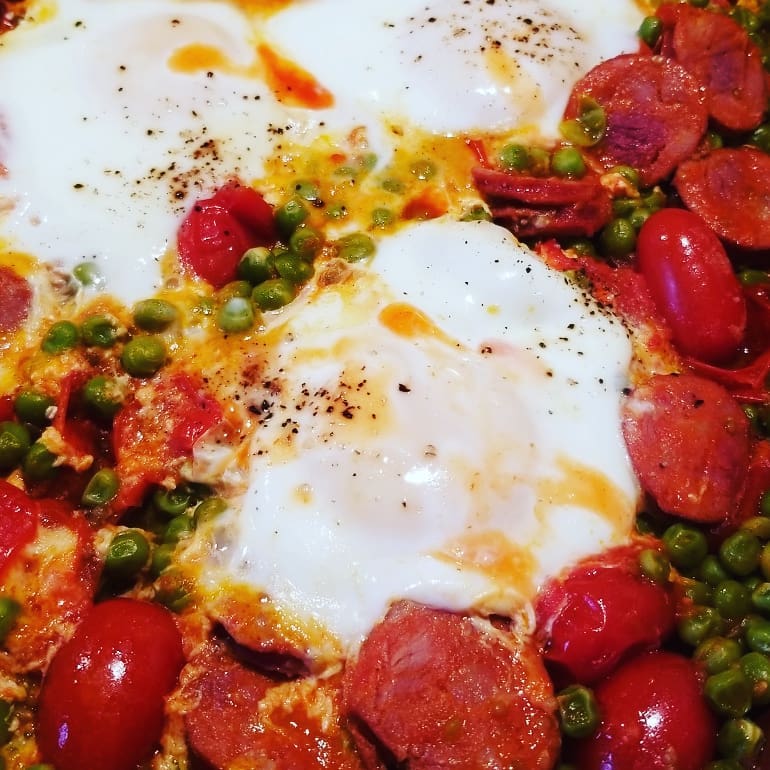
Eggs and peas is humble yet very popular dish. I had a lot of cherry tomatoes in my fridge last week, and as a die...
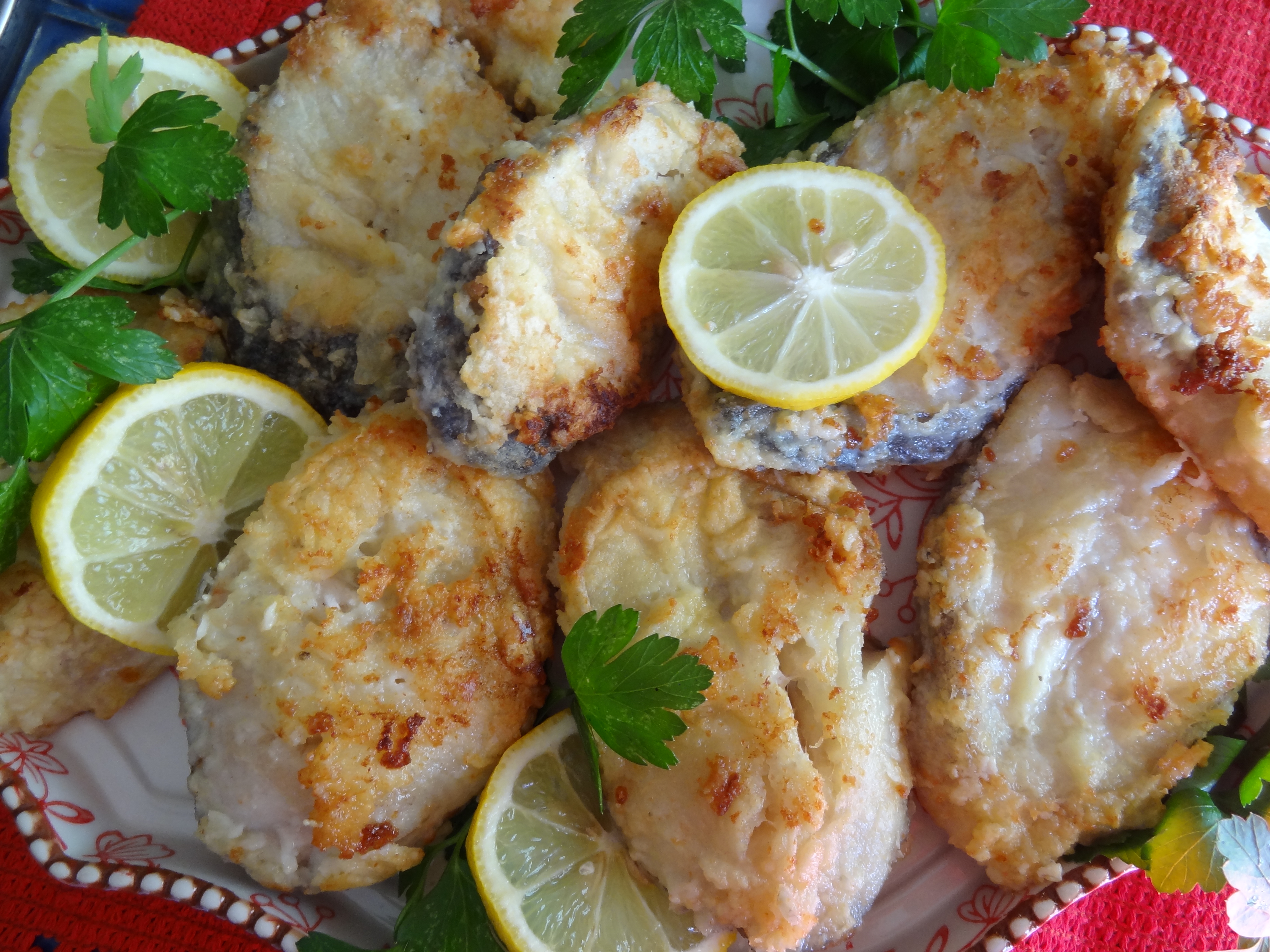
Pescada Frita is fried “whiting or hake” I make this fish on Friday’s during lent. It’s a tradition that I carry on from my mother....
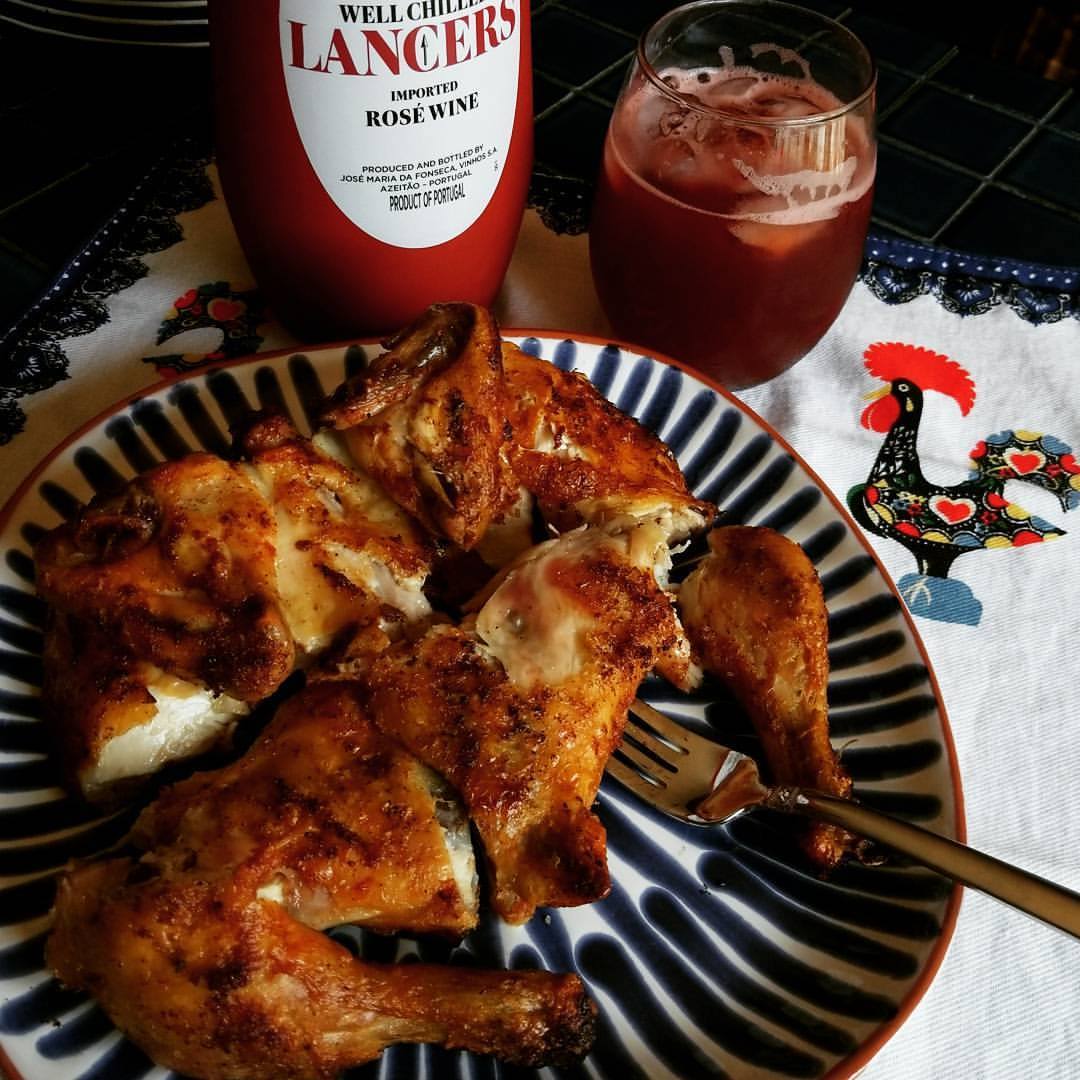
This is probably the most popular Portuguese chicken dish. People all around the world are raving about the spicy moist flavor from the Piri Piri...
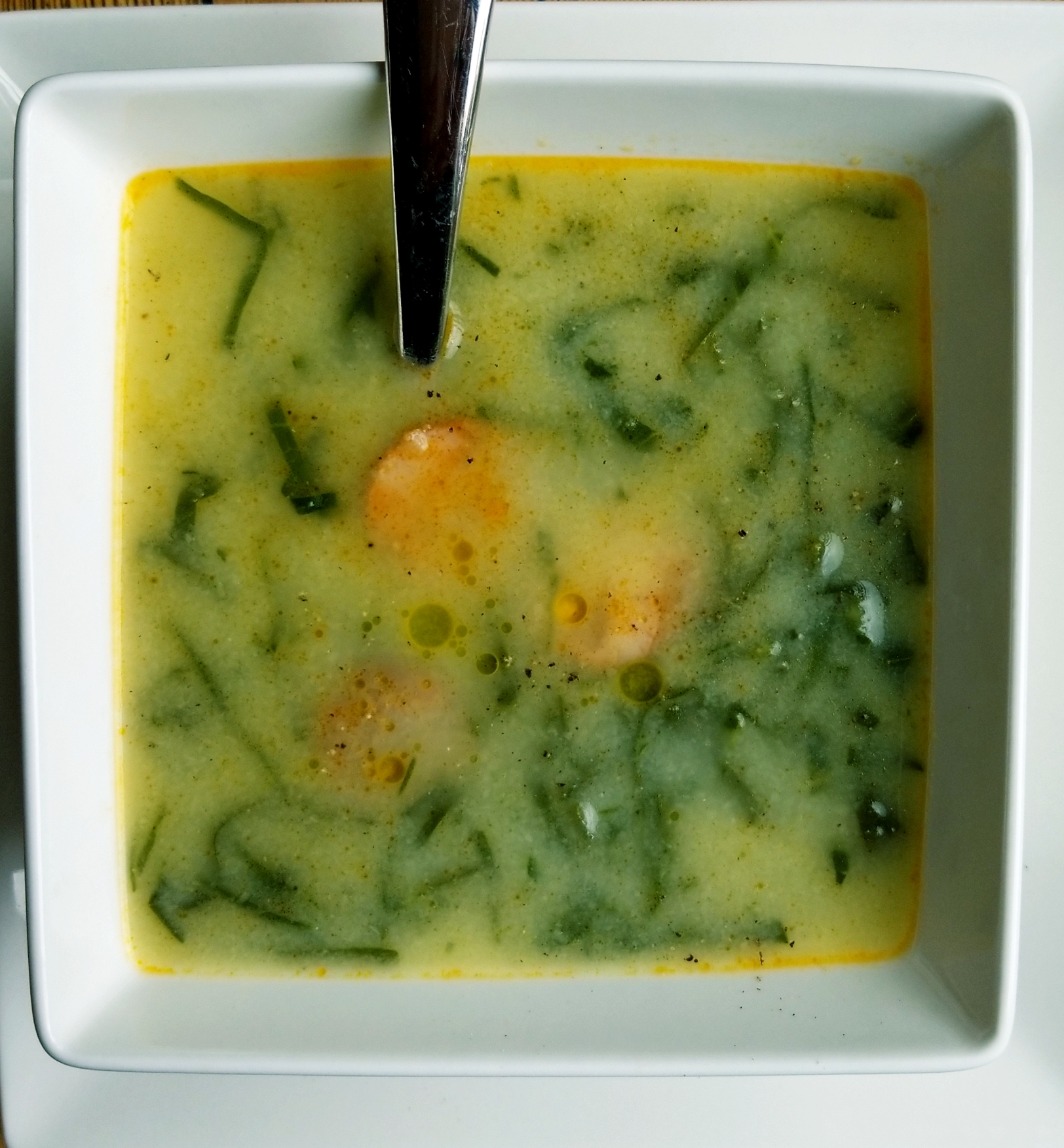
Order cookbooks here Lisbon Blue Shop If you love Caldo Verde or Kale Soup like my son, you’ll love my new Keto Diet, low carb...
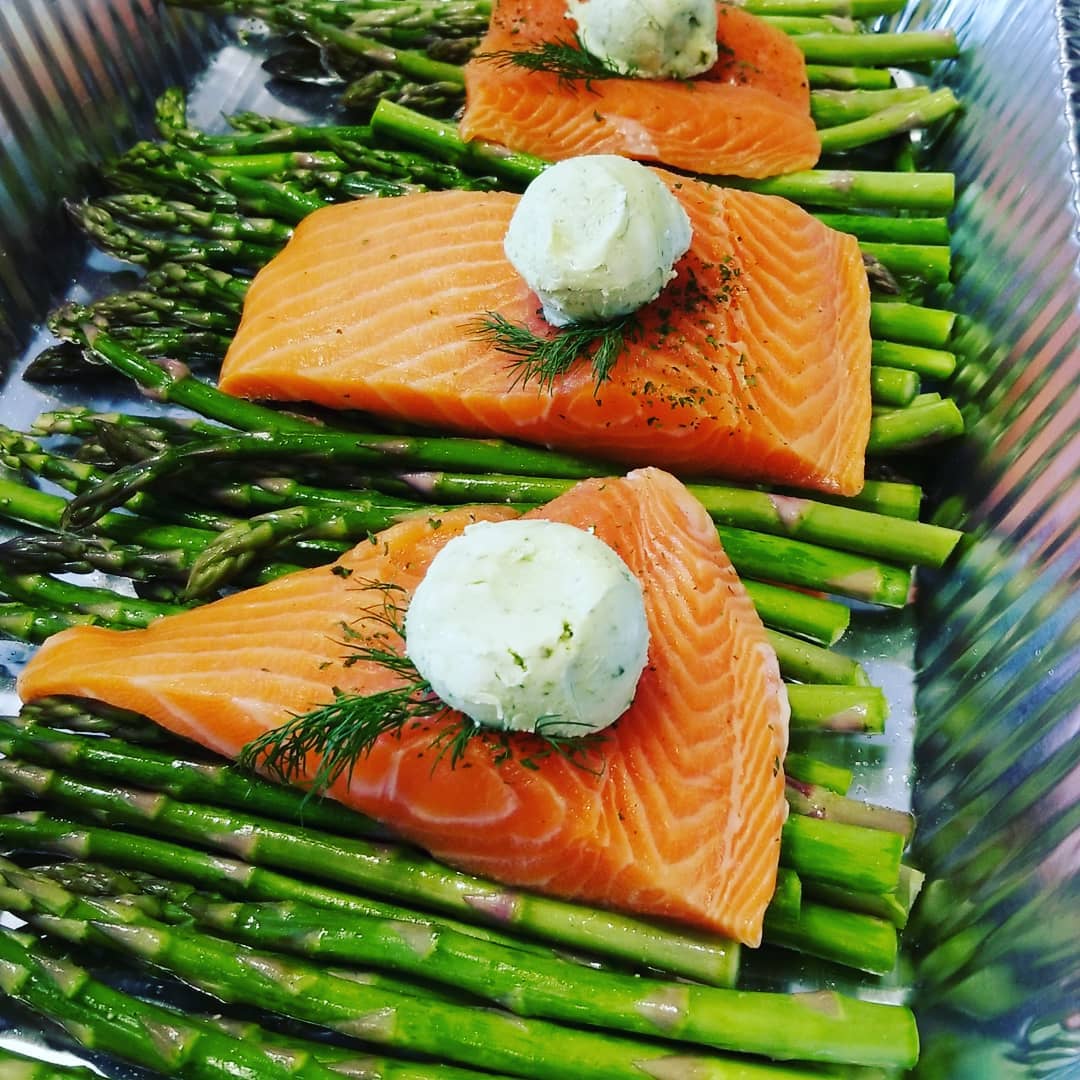
I hope you enjoy this sheet pan Salmon and Asparagus dinner which cooks in only 20-25 minutes. Serve it with a tower of Portuguese Tomato...
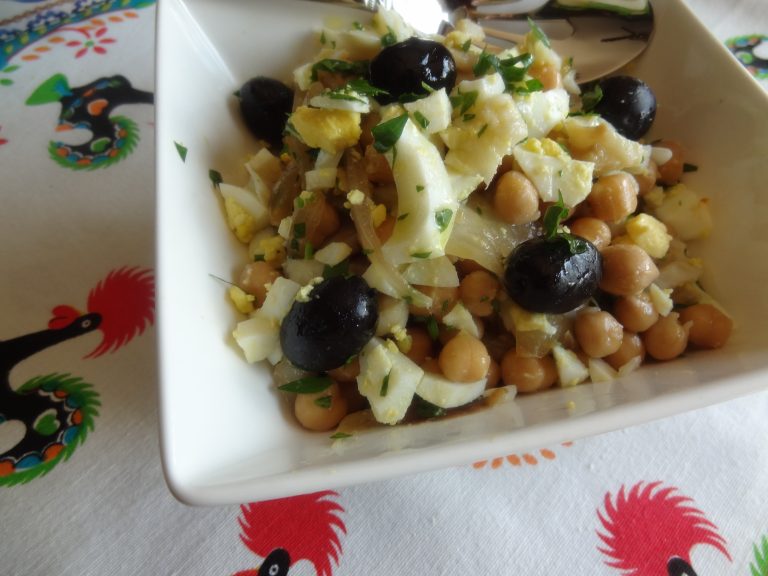
This easy recipe is can be a lunch, snack, side dish or a main dish. Serve it warm or cold. Make this ahead of time...
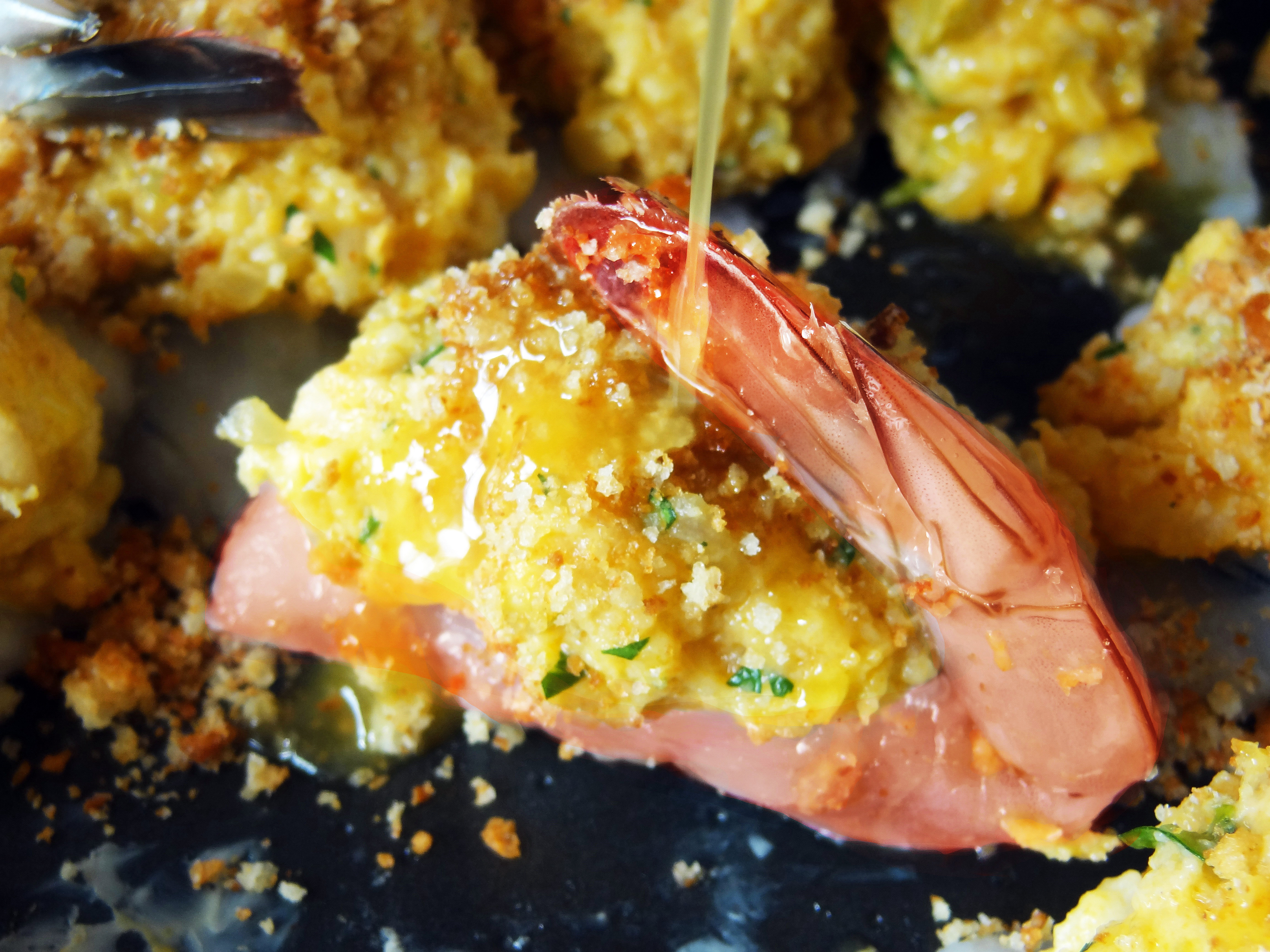
Merry Christmas Everyone! Here’s a special recipe for you. Recipe #48 Taste Portugal 101 Easy recipes cookbook Portuguese Baked Stuffed Shrimp Warning!!! This...
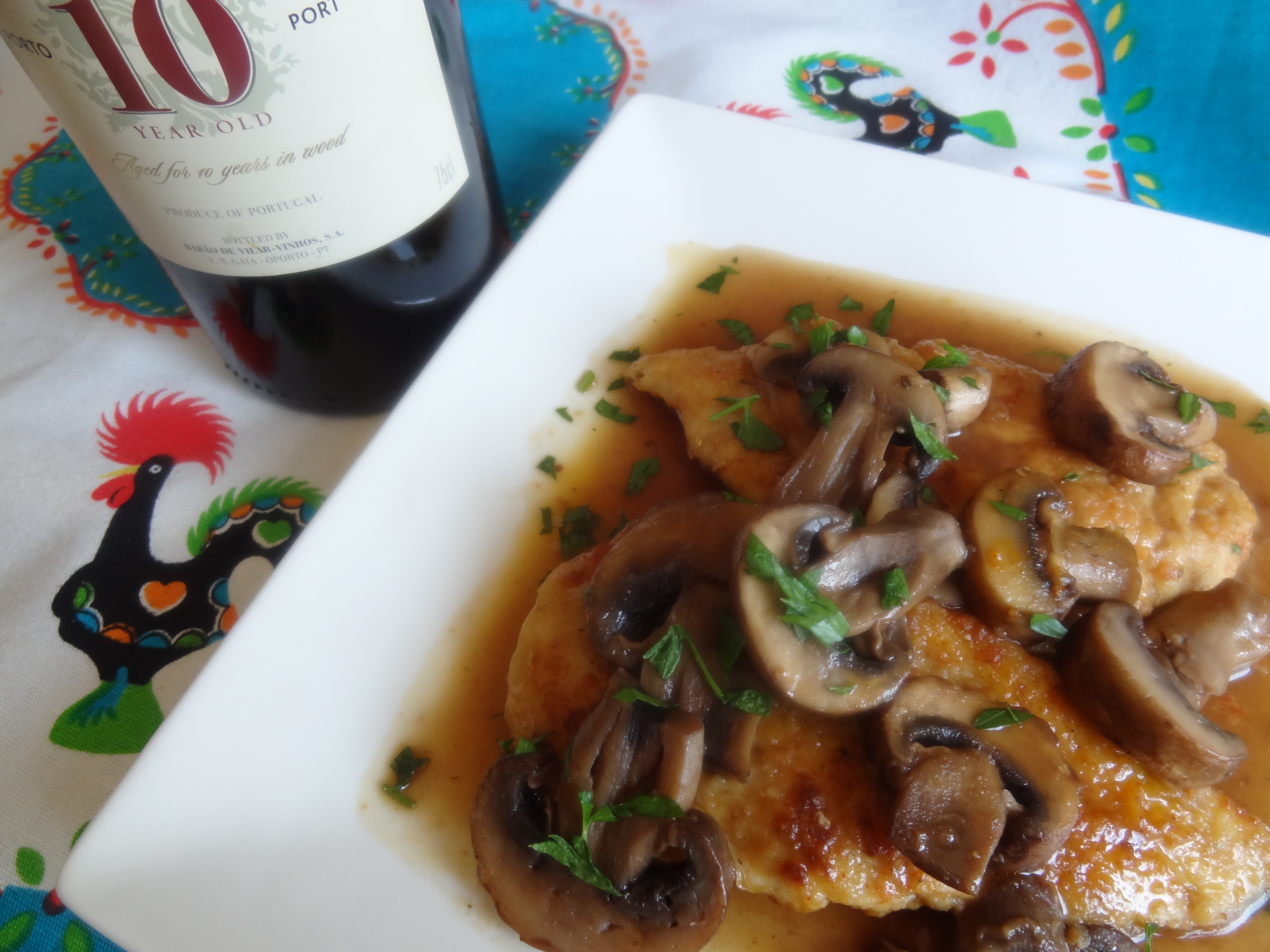
Nothing gets me more mad than to see a recipe with 30 ingredients that I have to go hunting for at the grocery store. It...
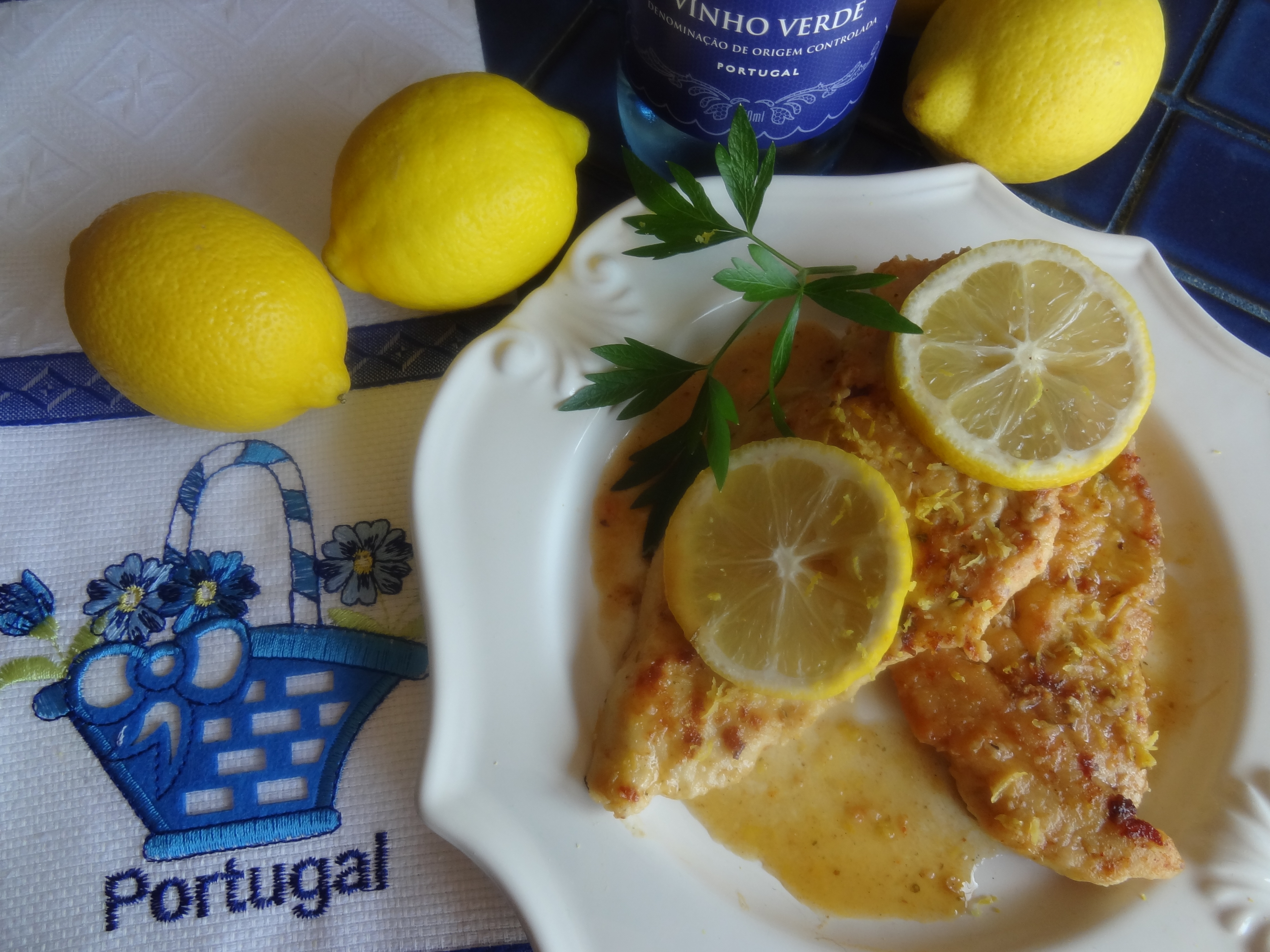
One bite of this chicken and you’ll taste the tangy lemony mouthwatering flavor. It’s simple to prepare and decadent enough to serve for your guests....
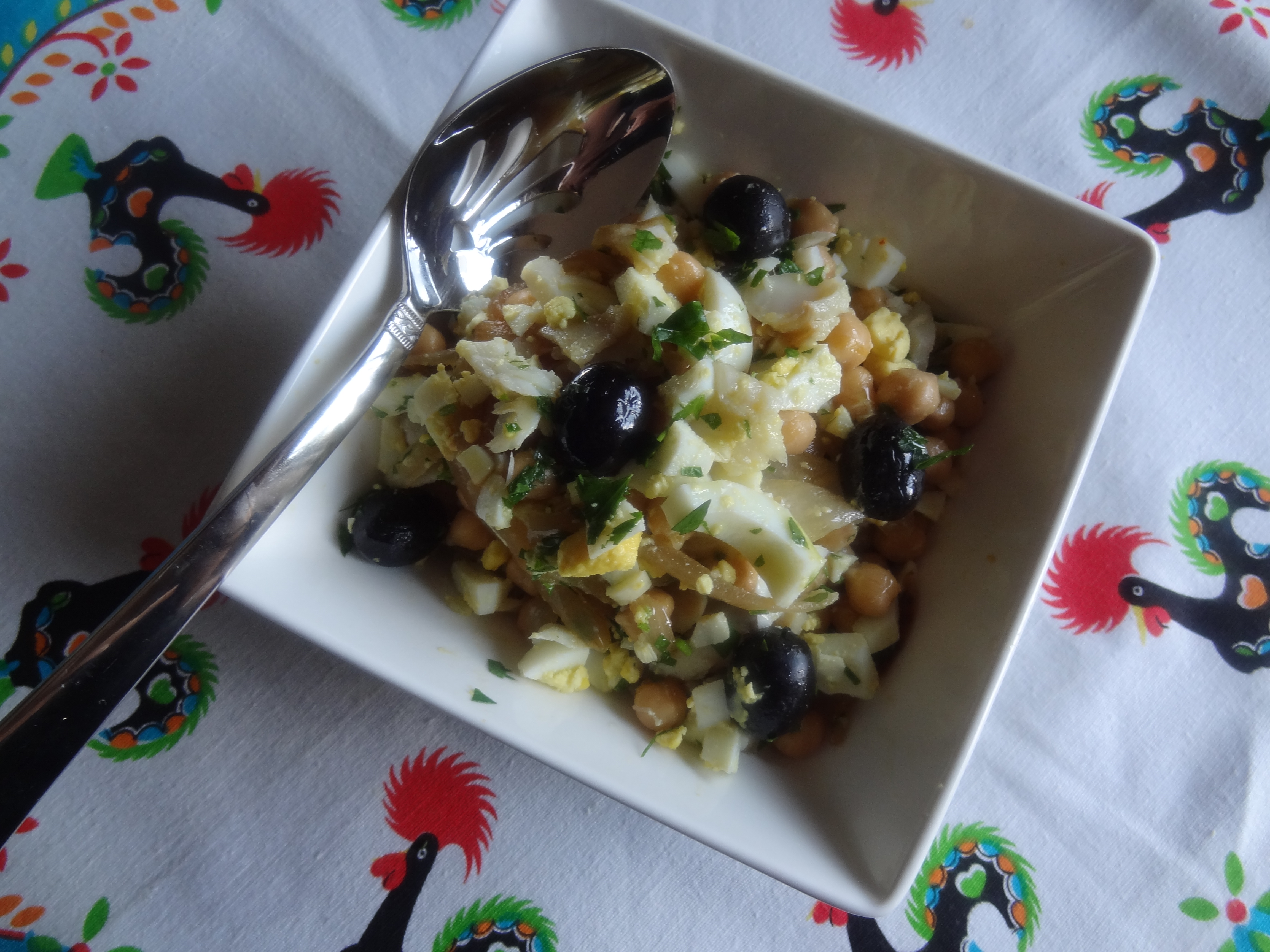
One bite brings me home to Portugal! Bacalhau com Grao is as classic home comfort food, one of the most popular dishes, and served in...

Pears in Vinho do Porto dessert is elegant, yet so easy to make to impress your family or guests at your next party. Be sure...
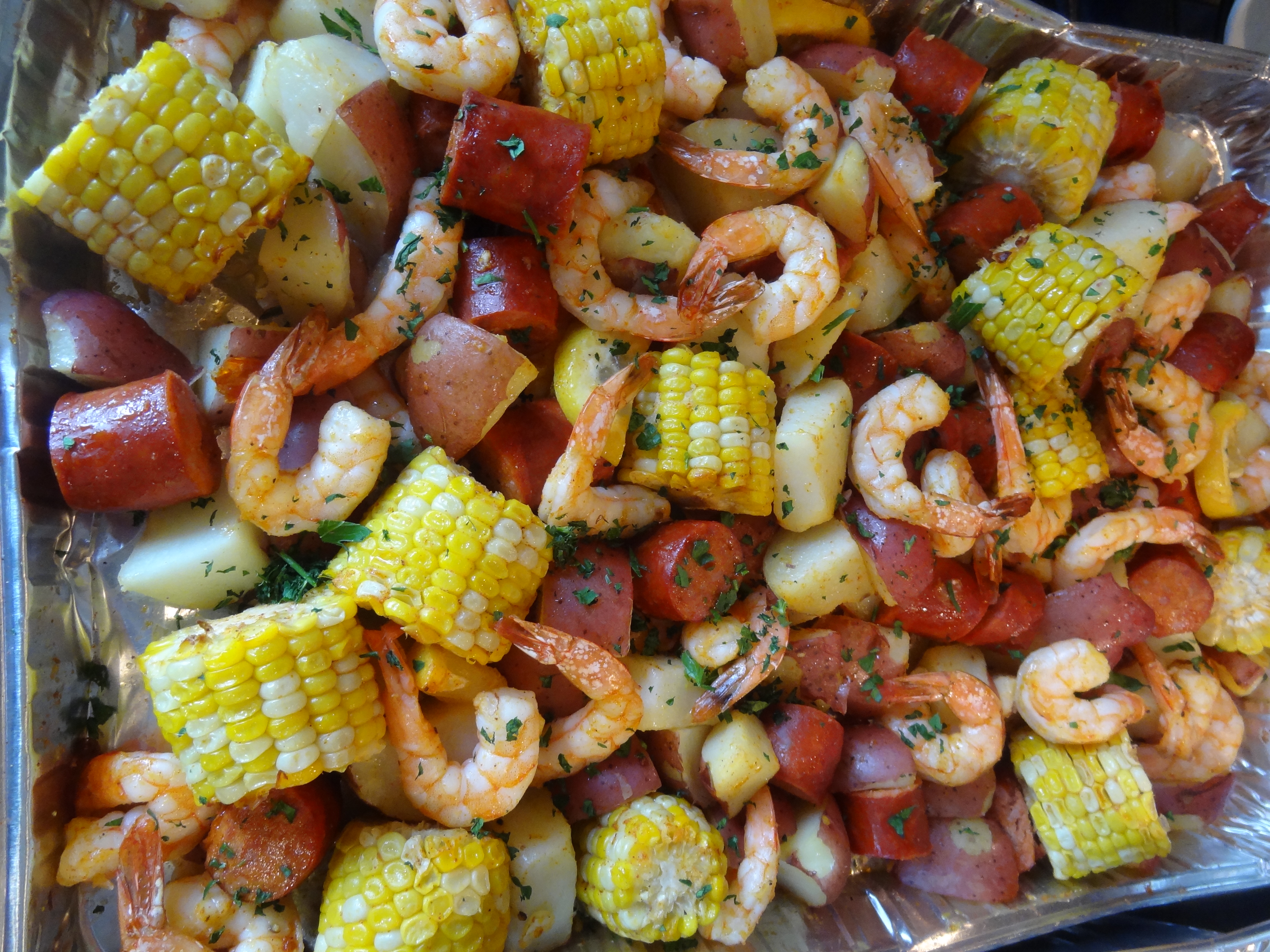
Sneak Peak into a recipe for my next Taste Portugal 101 easy recipes cookbook! This Shrimp boil was a hit at my family’s cookout! This...
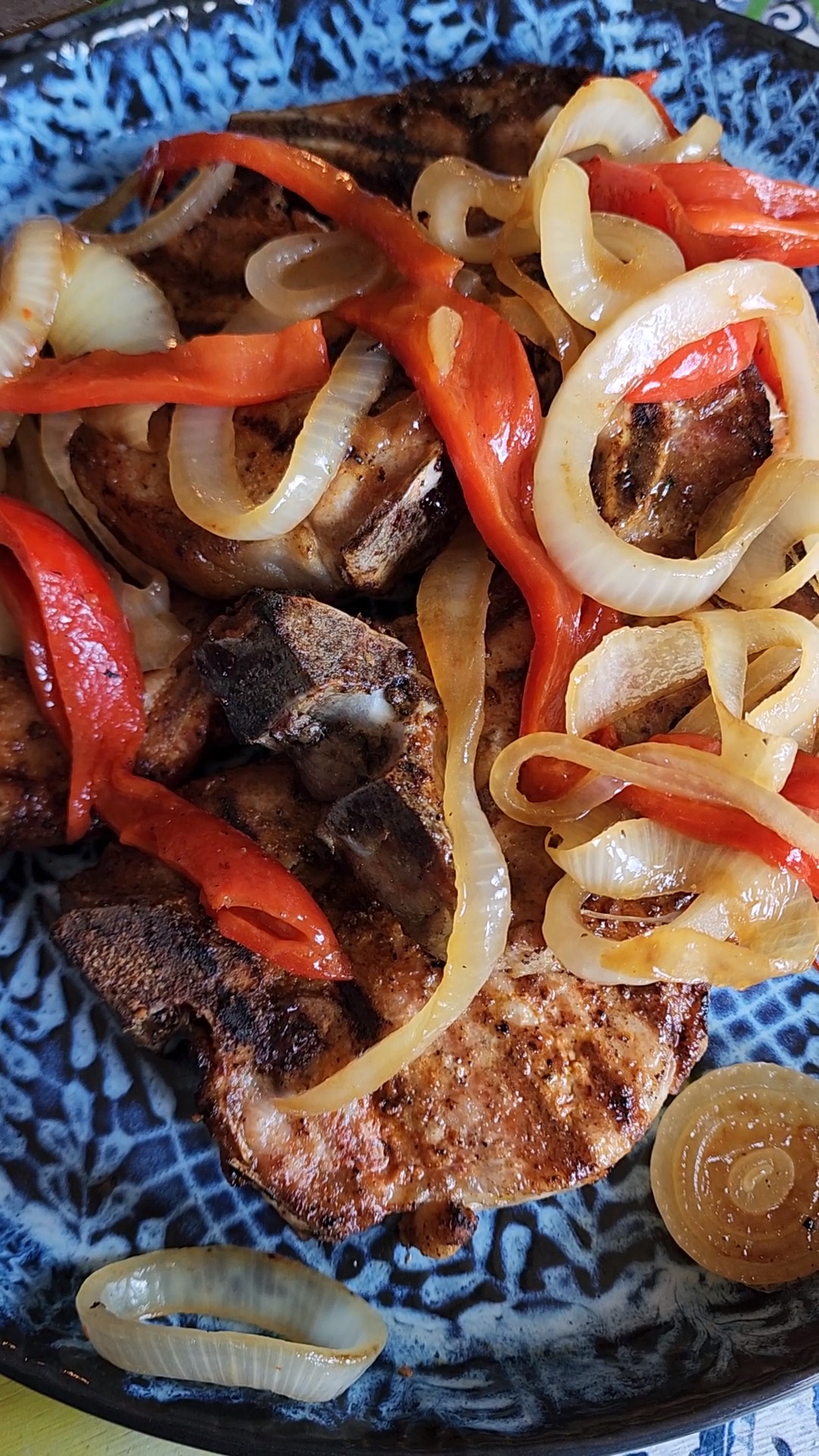
This is your weekend recipe. Light up the grill. These pork chops are moist, savory and delicious. INGREDIENTS:6 pork chops1.5 tbsp Taste Portugal SeasoningOnions:1 large...
My Oven Fried Chicken 🍗 is savory, easy, and delicious! You’ll never fry chicken again. Trust me. 😋Chicken Prep;10 pieces of chicken2 tbsp Taste Portugal...
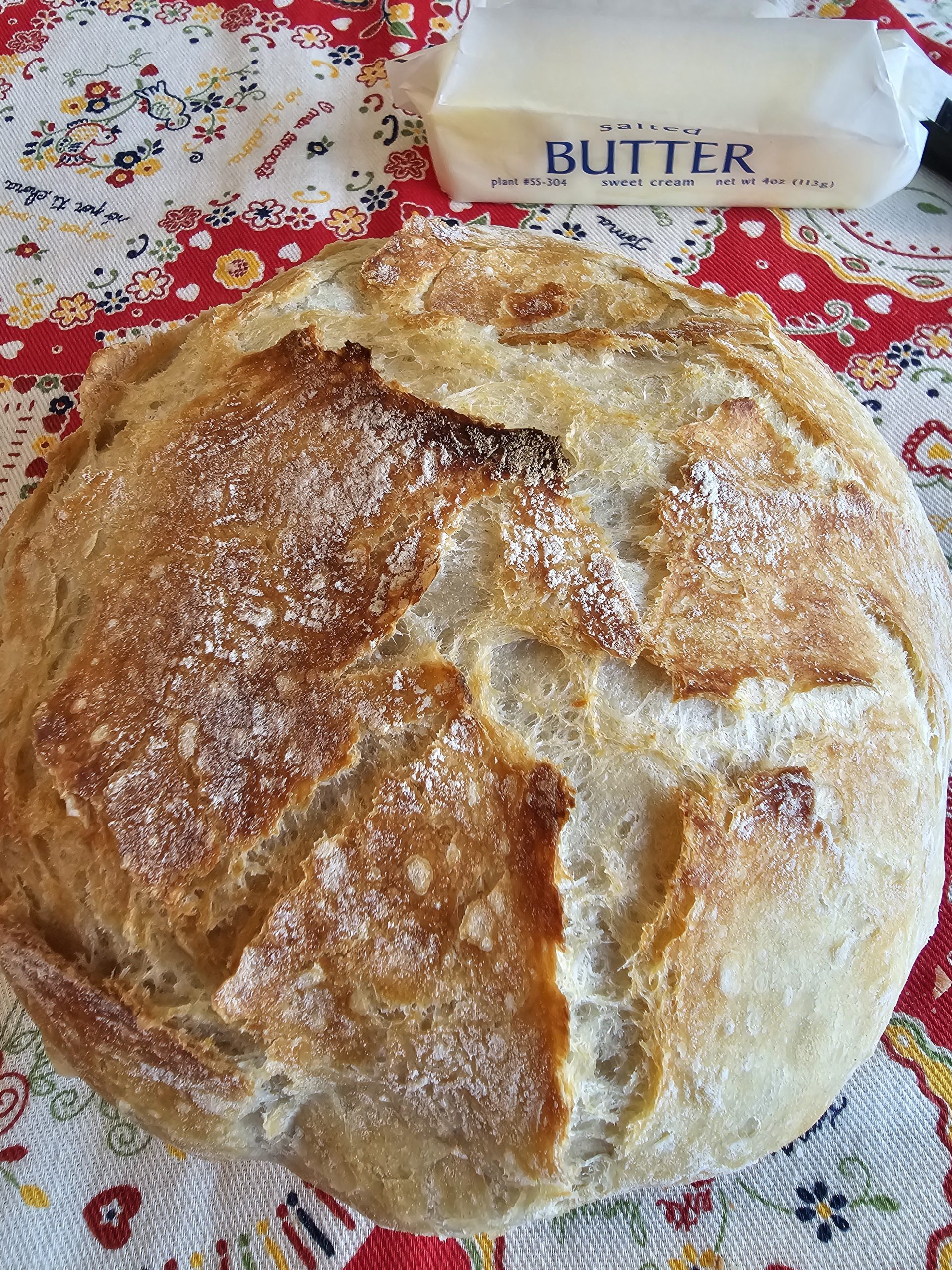
Never buy bread again with this easy recipe. Trust me. It’s so crusty, moist and delicious. Just mix, let it rise, and bake to golden...
Lulas Reciadas are a classic recipe that you’ll love. This recipe is my TASTE PORTUGAL MORE EASY PORTUGUESE RECIPES. I learned this recipe from my...
My Taste Portugal Seasonings will make all of your Portuguese recipes delicious. Just shake, marinate and season. No mixing of other spices required because I’ve...

This is how you do it! Find all these recipes on this blog. Bom Apetite!
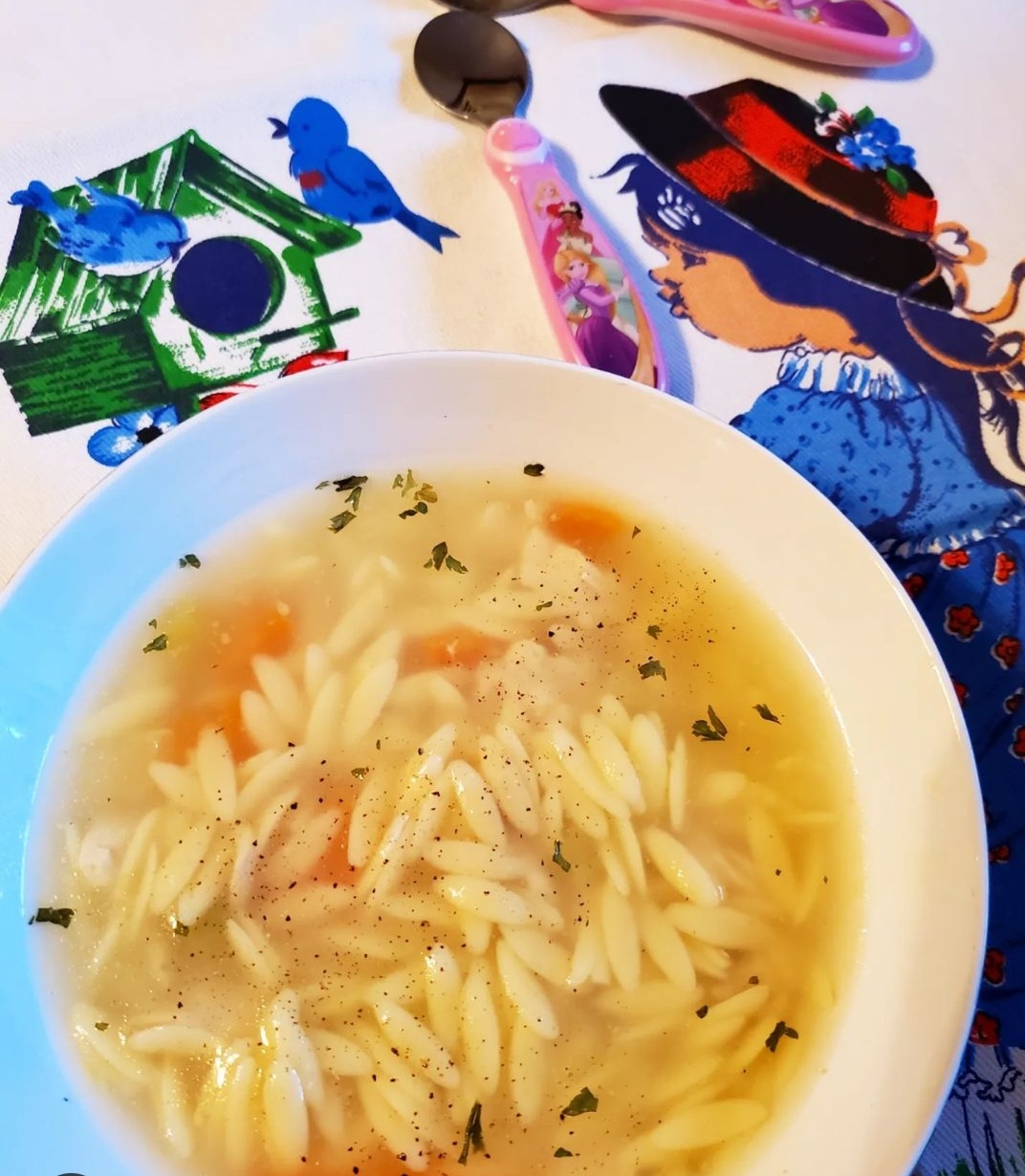
Your family will love this Chicken Orzo Soup because it’s so simple to make and delicious. I make this soup every time my family has...
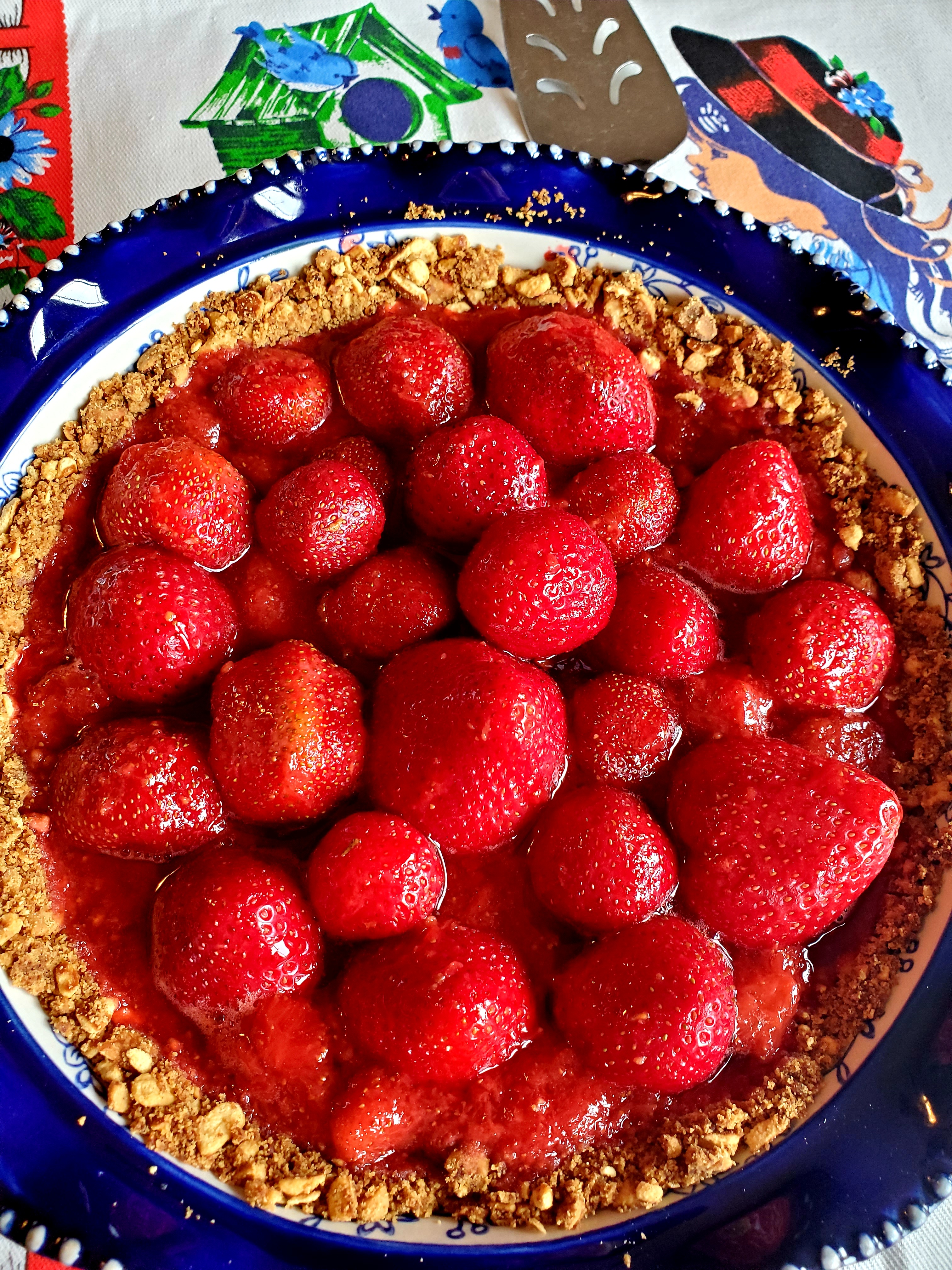
I went strawberry picking last week with my granddaughter. We made a delicious strawberry pie. This version is SUGAR FREE but visit this link for...

Happy Saint Patrick’s Day. I love cuisines of all nations. Every year I make my Corned Beef and Cabbage dinner with a Portuguese twist. My...
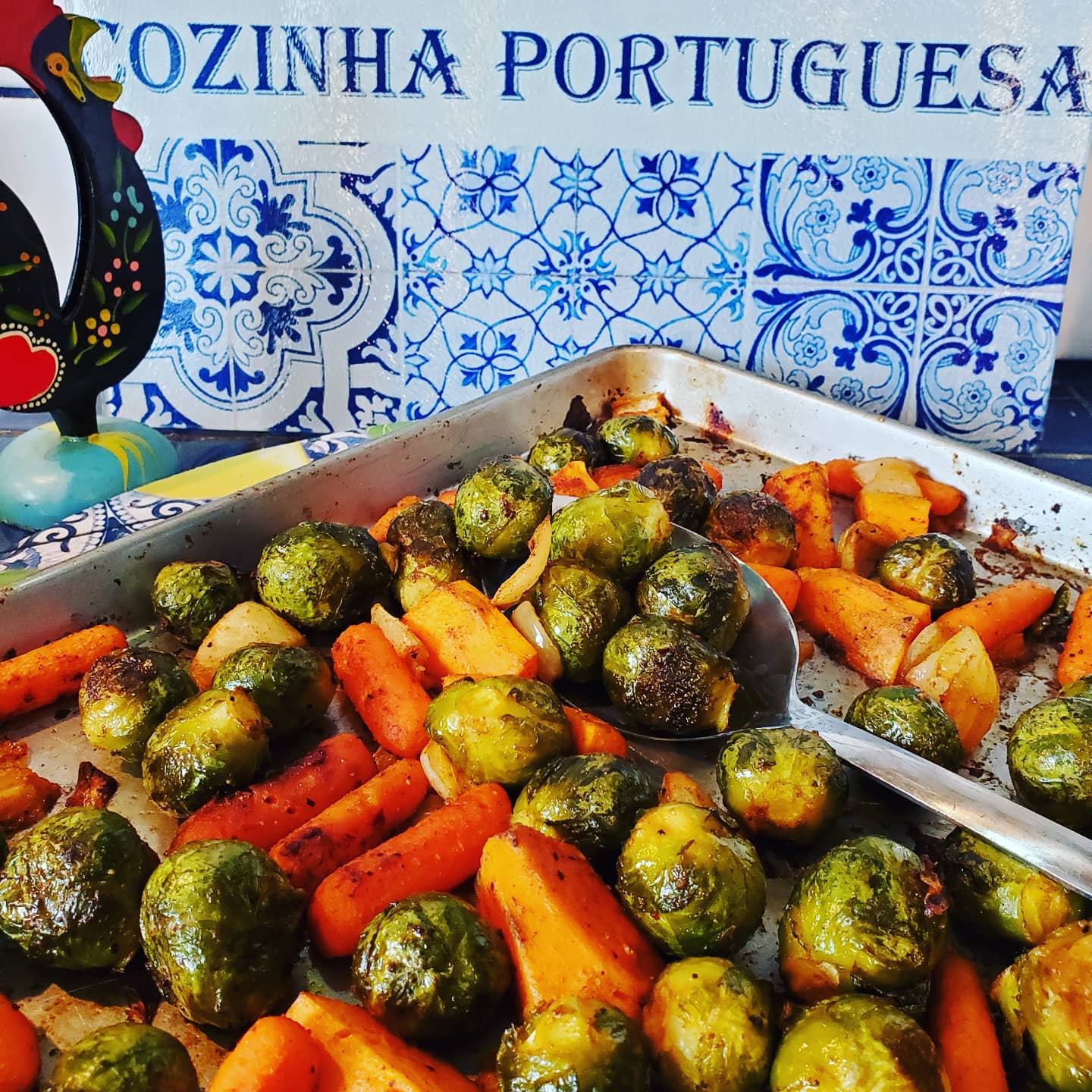
Roasted Vegetables are so delicious and so easy to make. I like to make a large sheet pan so I can have leftover veggies all...
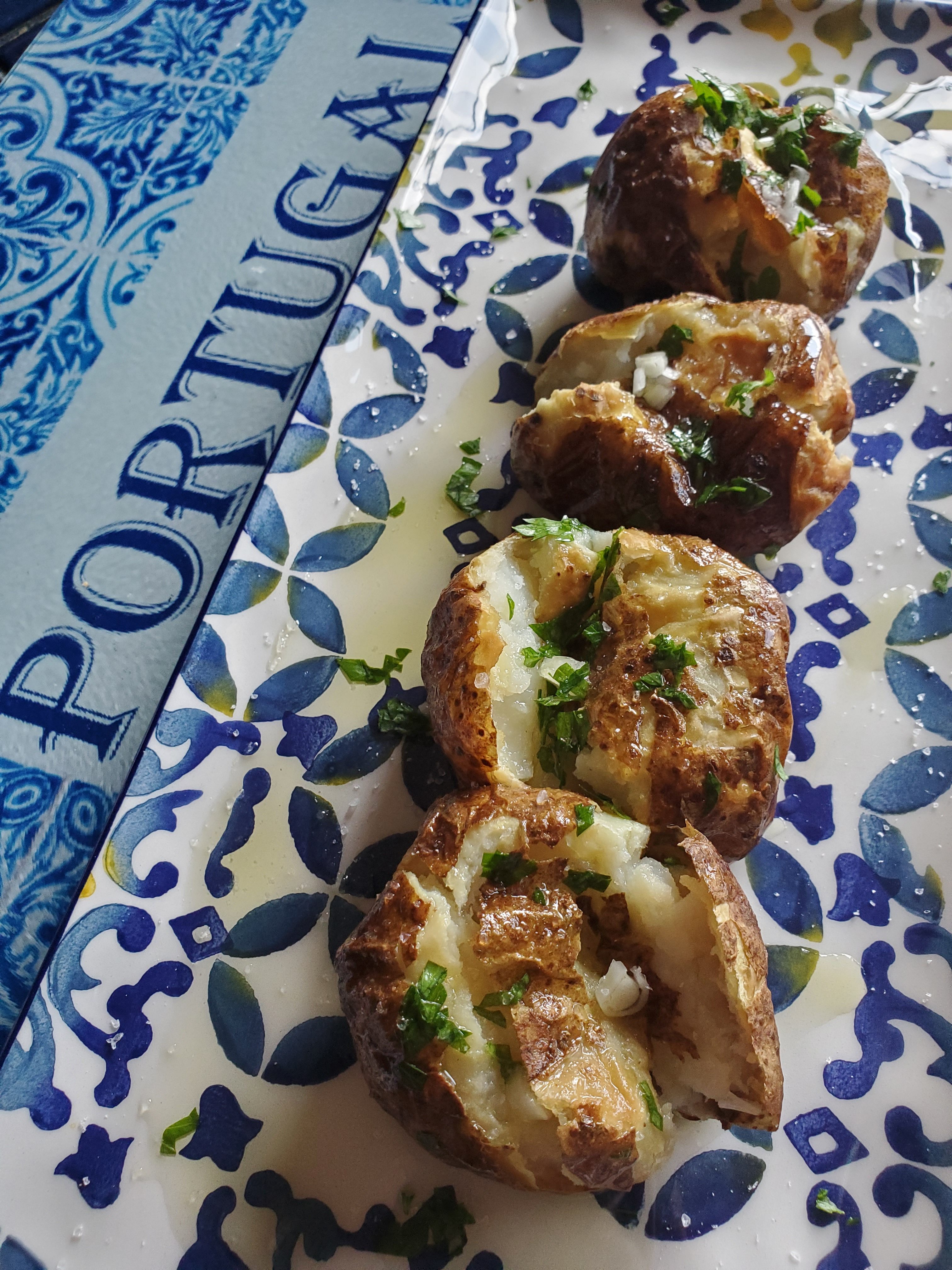
You can also bake the potatoes as in this video below. Follow same ingredients but bake for about 1 hour or until done. Ingredients: 2...
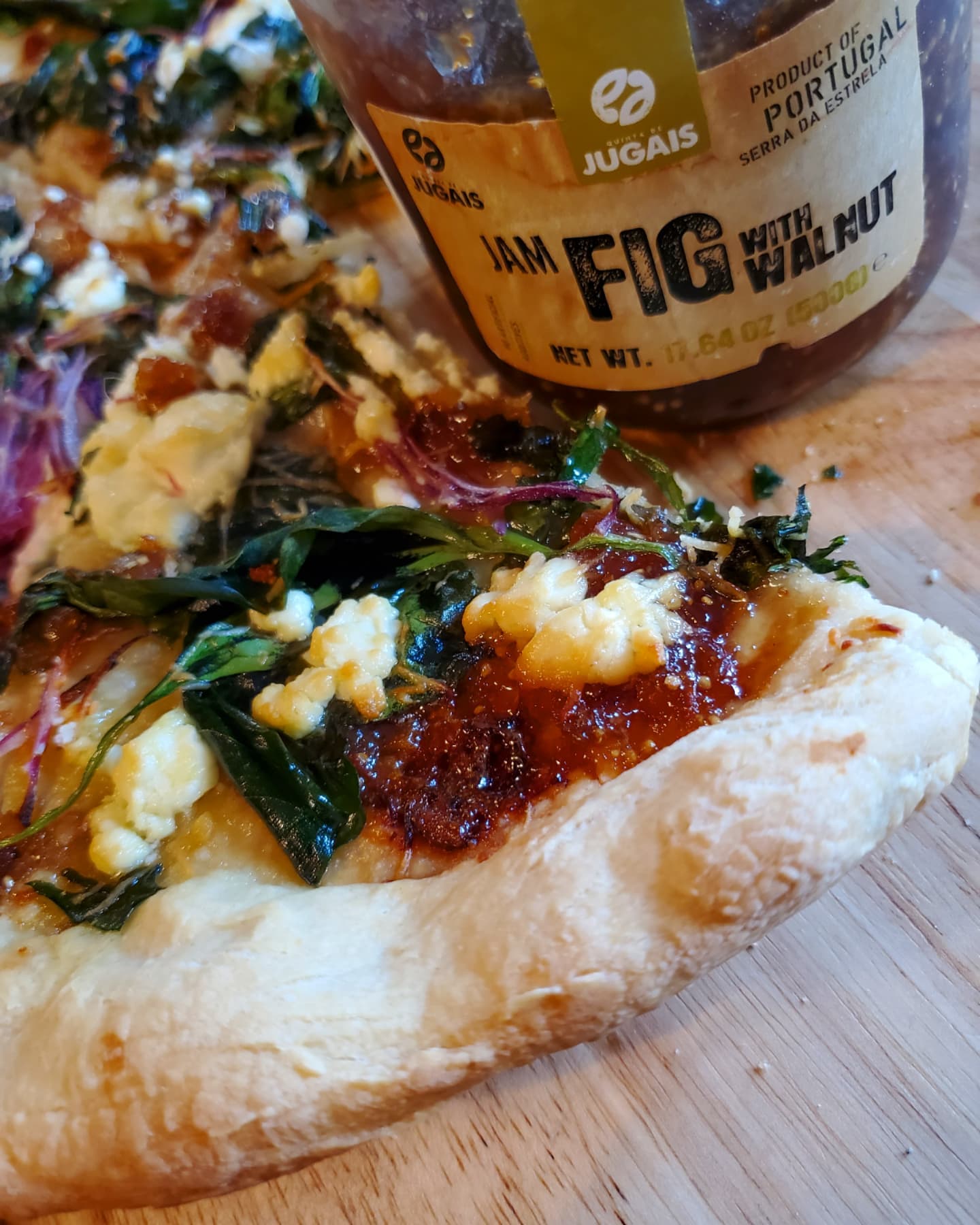
Ingredients: 1/2 pizza dough recipe 4 – 6 oz. (goat cheese or fresh farmers cheese )2 cups fresh baby spinach 1/2 cup Portuguese fig jam...
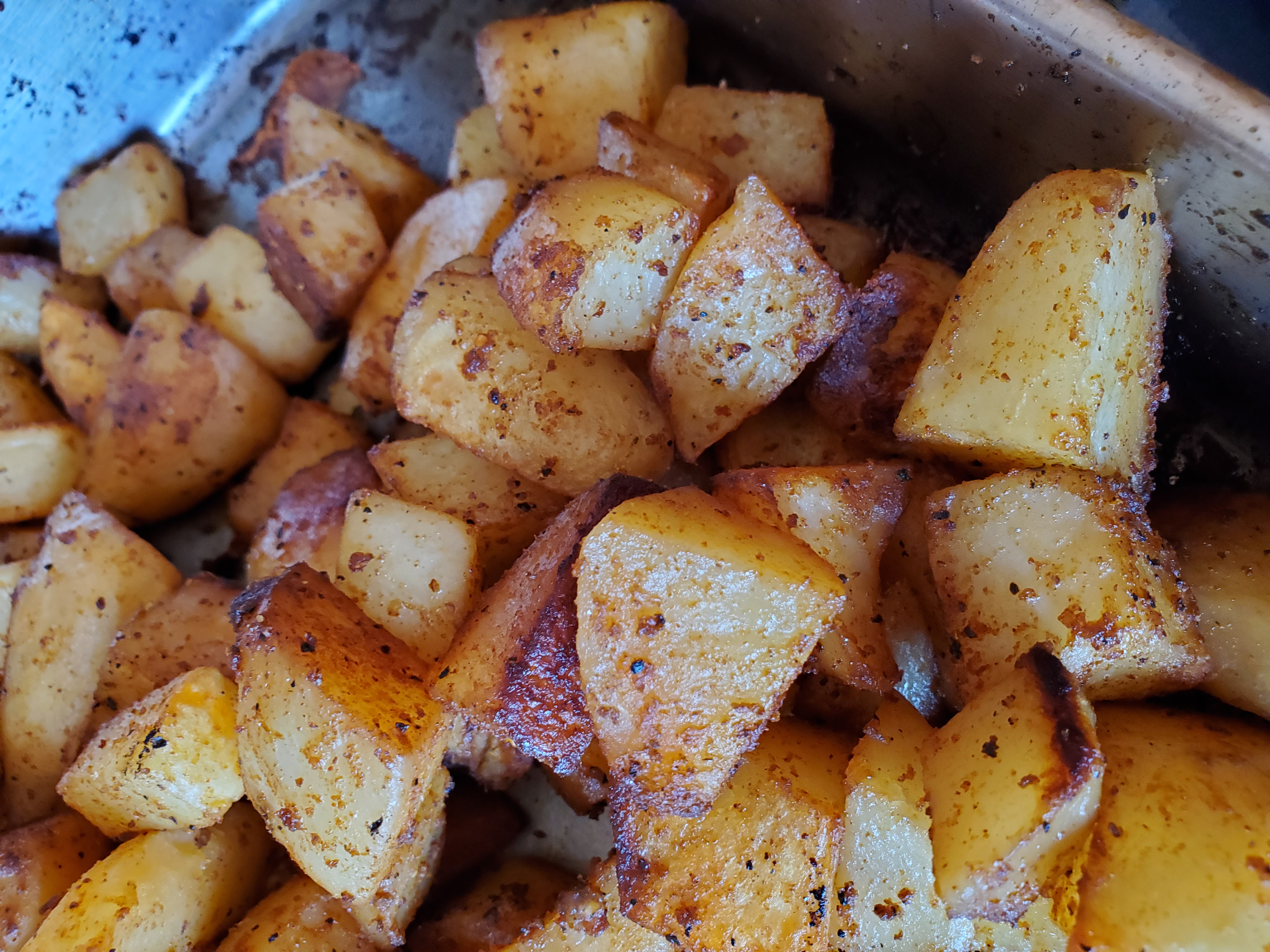
These crispy potatoes are easy to make. I make them along with my roast chicken, pork or roast beef. They cook in an hour and...
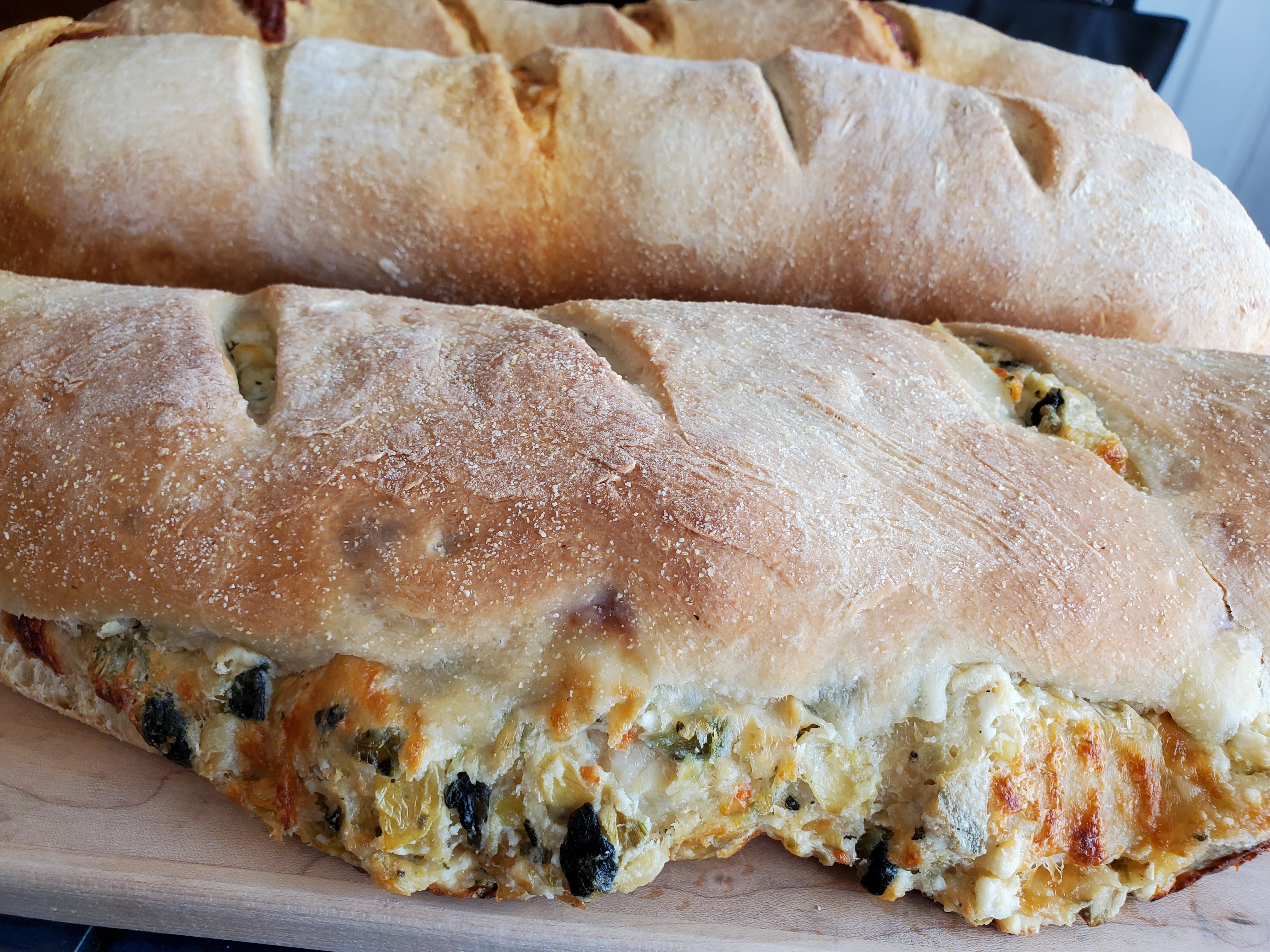
Ingredients: Dough Makes 1 large or 2 small breads 3 1/2 cups of flour 1 teaspoon sugar 1 envelope instant dry yeast 2 teaspoons salt...
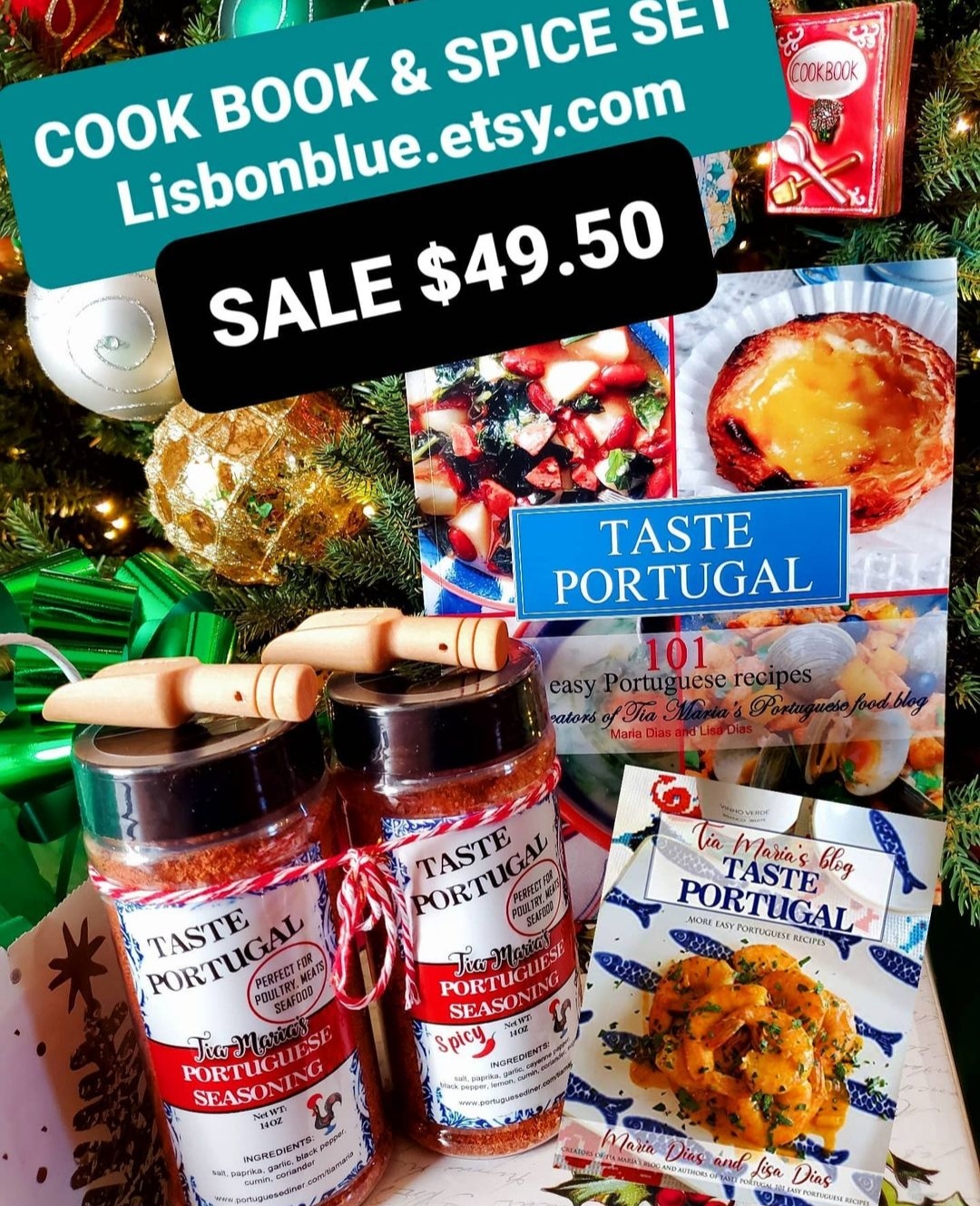
Merry Christmas everyone. Get these gifts of my TASTE PORTUGAL COOK BOOKS, SETS, SEASONINGS AND APRON for the Portuguese Foodie on your list! A great...
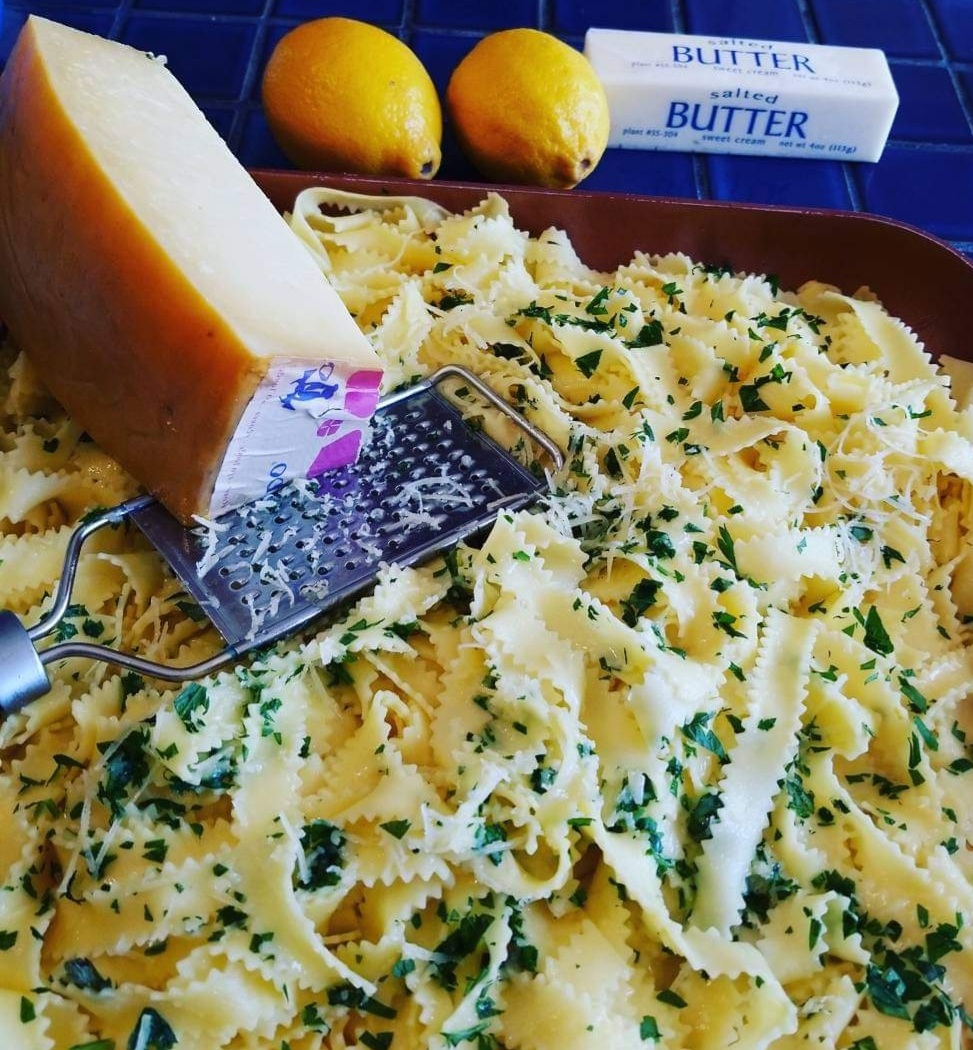
I love anything with lemon and one of my favorite cheeses is São Jorge making this dish one of my all time favorite’s. “Queijo São...
Cooking Portuguese is easy! Watch my videos for Piri Piri Frango Churrasco and Baked Piri Piri Chicken! Order here on Lisbon Blue Etsy shop
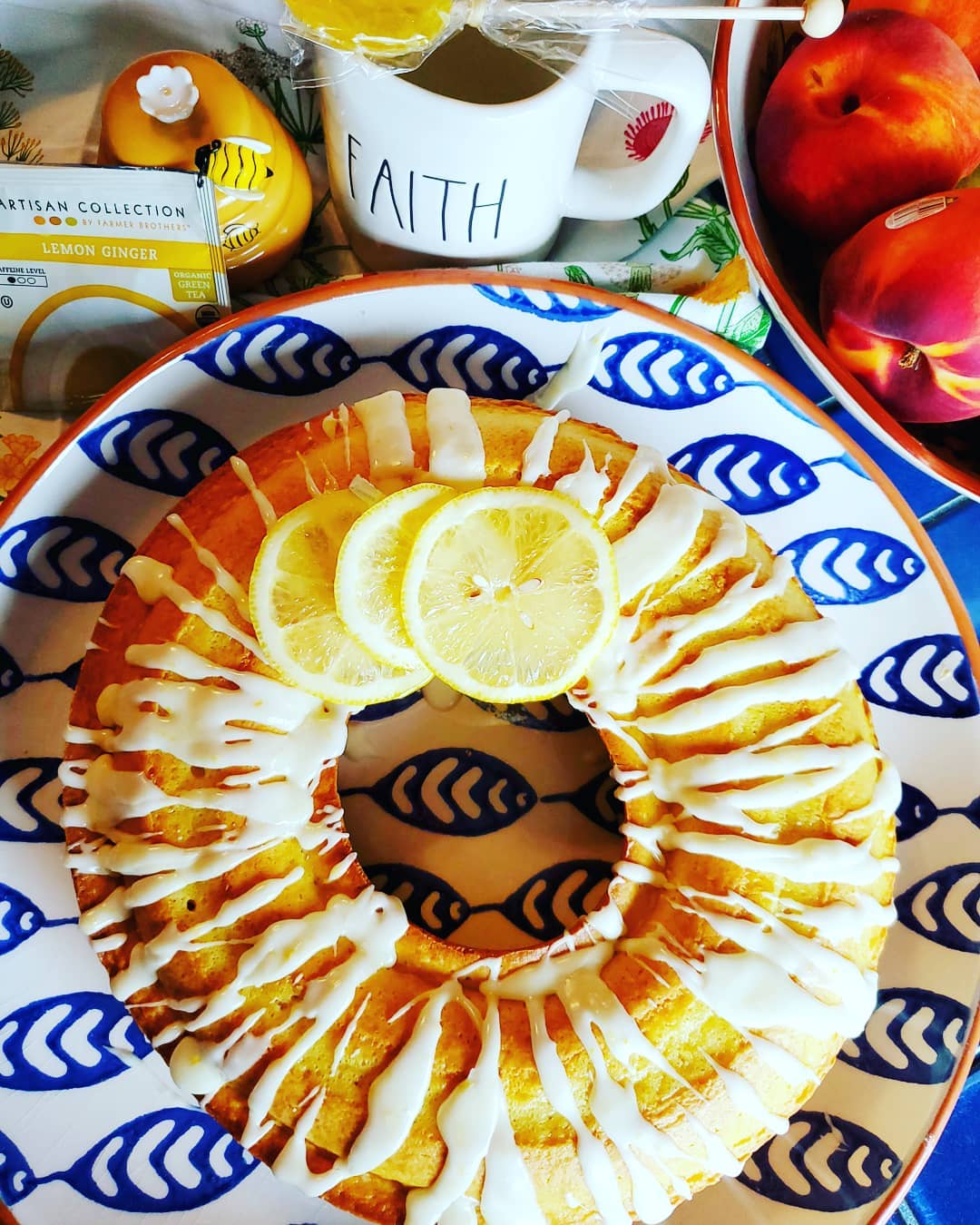
Ingredients: 2 and 1/2 cups flour 3 eggs 1 and 1/2 teaspoon baking powder 1/2 teaspoon salt 1 and 1/4 sticks softened butter 3/4 cups...
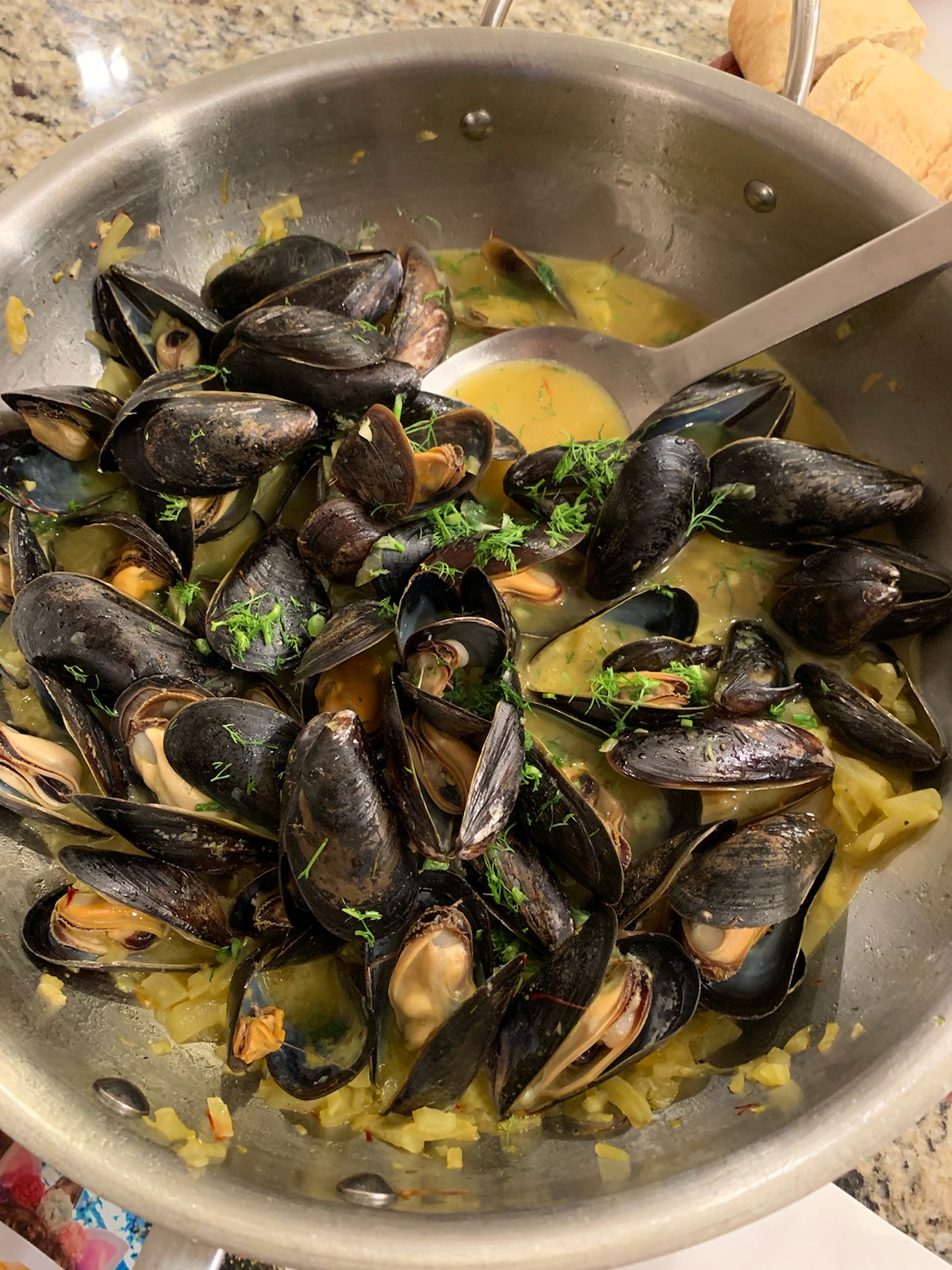
Ingredients: 3-4 pounds mussels (cleaned) 1 large onion (minced) 3 cloves garlic (minced) 1/4 cup fennel (minced) 1/4 cup olive oil 1 teaspoon salt 1...

Sheet Pan Sausage Bake is an everyday go to dish. One pan is all you need to bake and serve! You can mix up the...
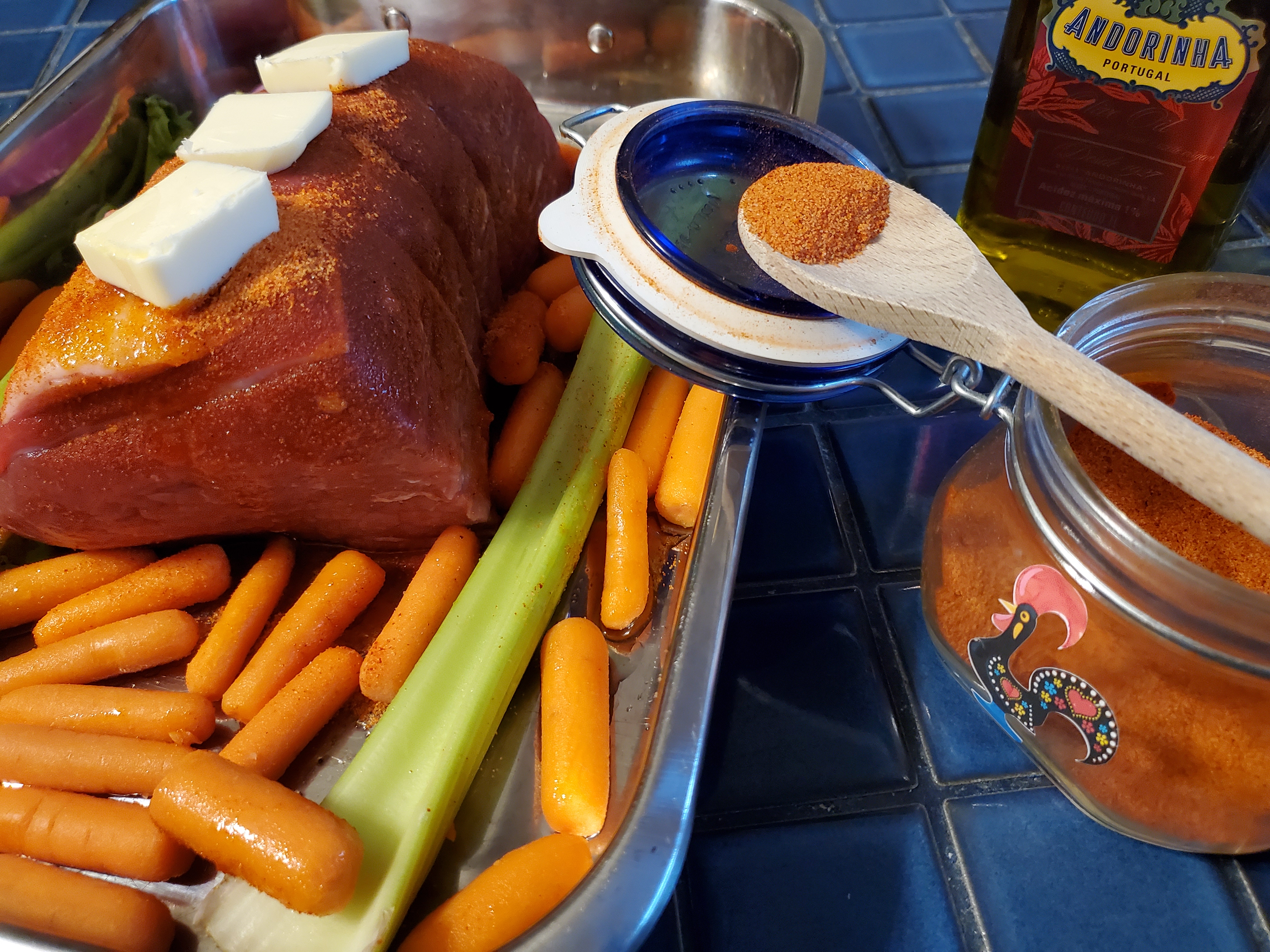
This savory roast beef will be your go to recipe. I make this dish a lot since it’s a family favorite and the best part...

Summer vegetables from my garden make this Chicken and Veggie Rice. I also make this Rice and Green Bean version without chicken. It’s delicious as...

Ingredients: 1 package of egg rolls wrappers (about 25) 1 pound of chourico or breakfast sausage (chopped finely) 1 dozen eggs (beaten) 1 small onion...
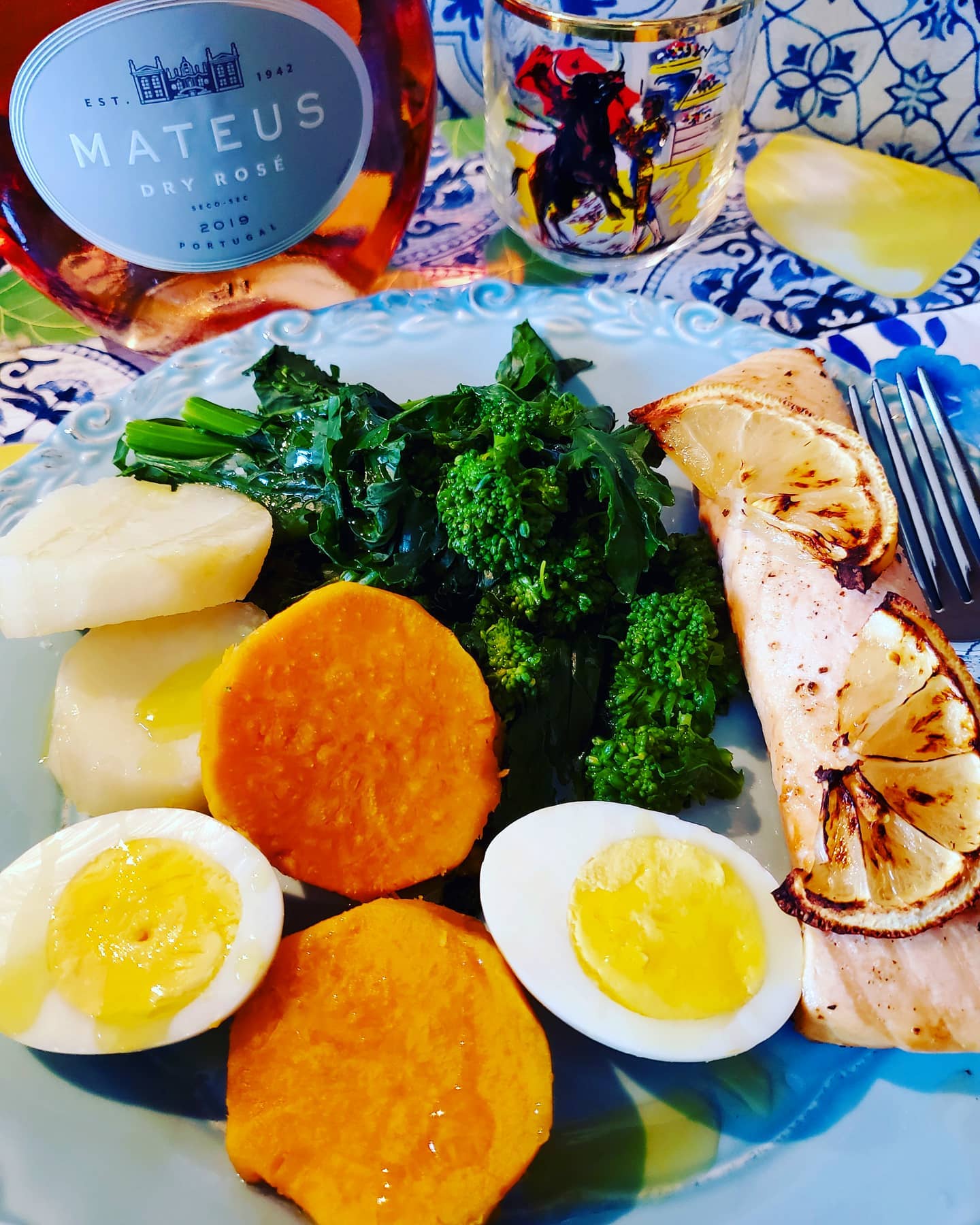
I love the beautiful colors and simple flavors of one of my favorite dishes. So healthy, delicious and easy to make. You can make this...
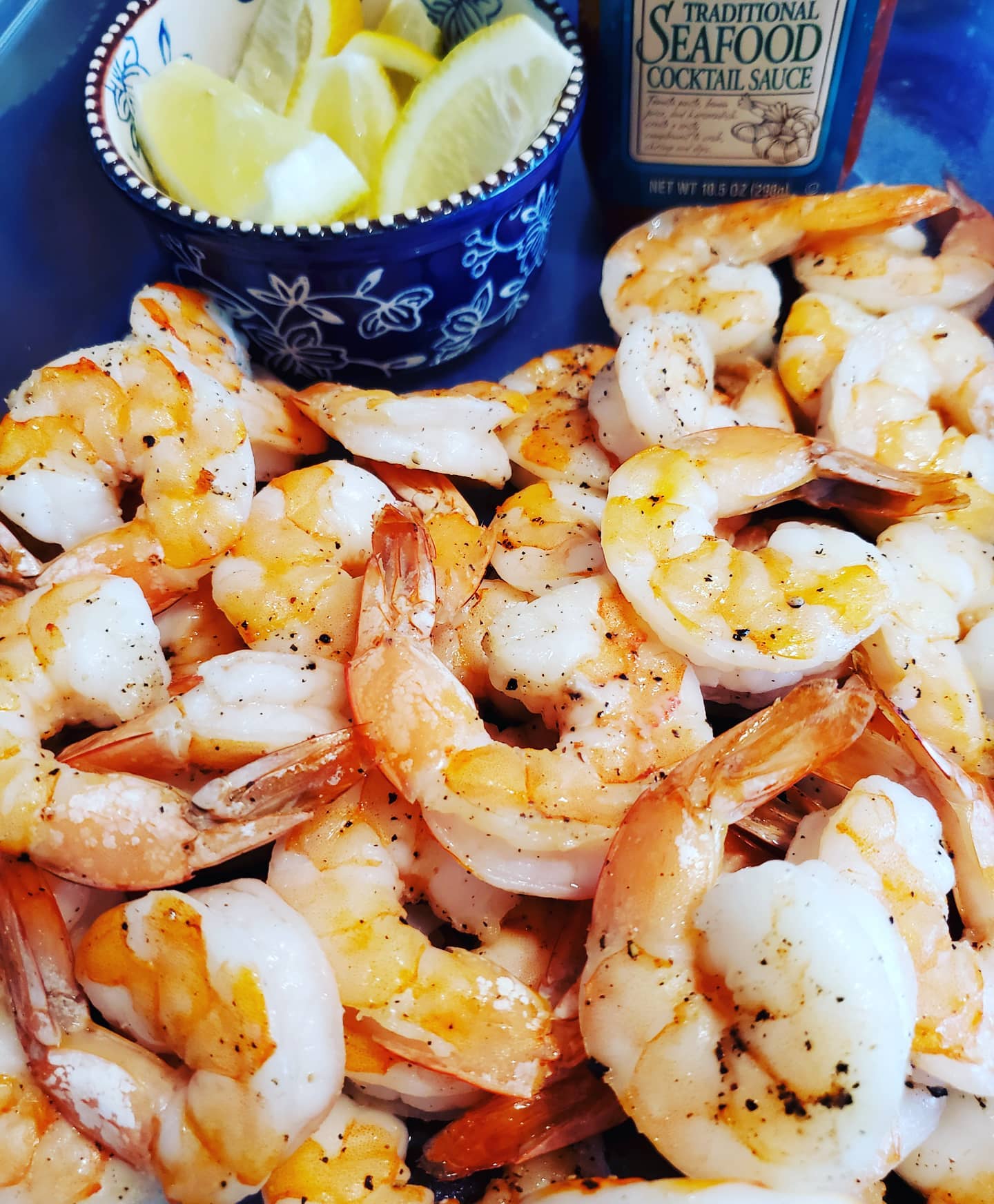
You’ll love this easy way to prepare shrimp cocktail. It’s delicious and it cooks in only about 10 minutes. No need to buy those expensive...
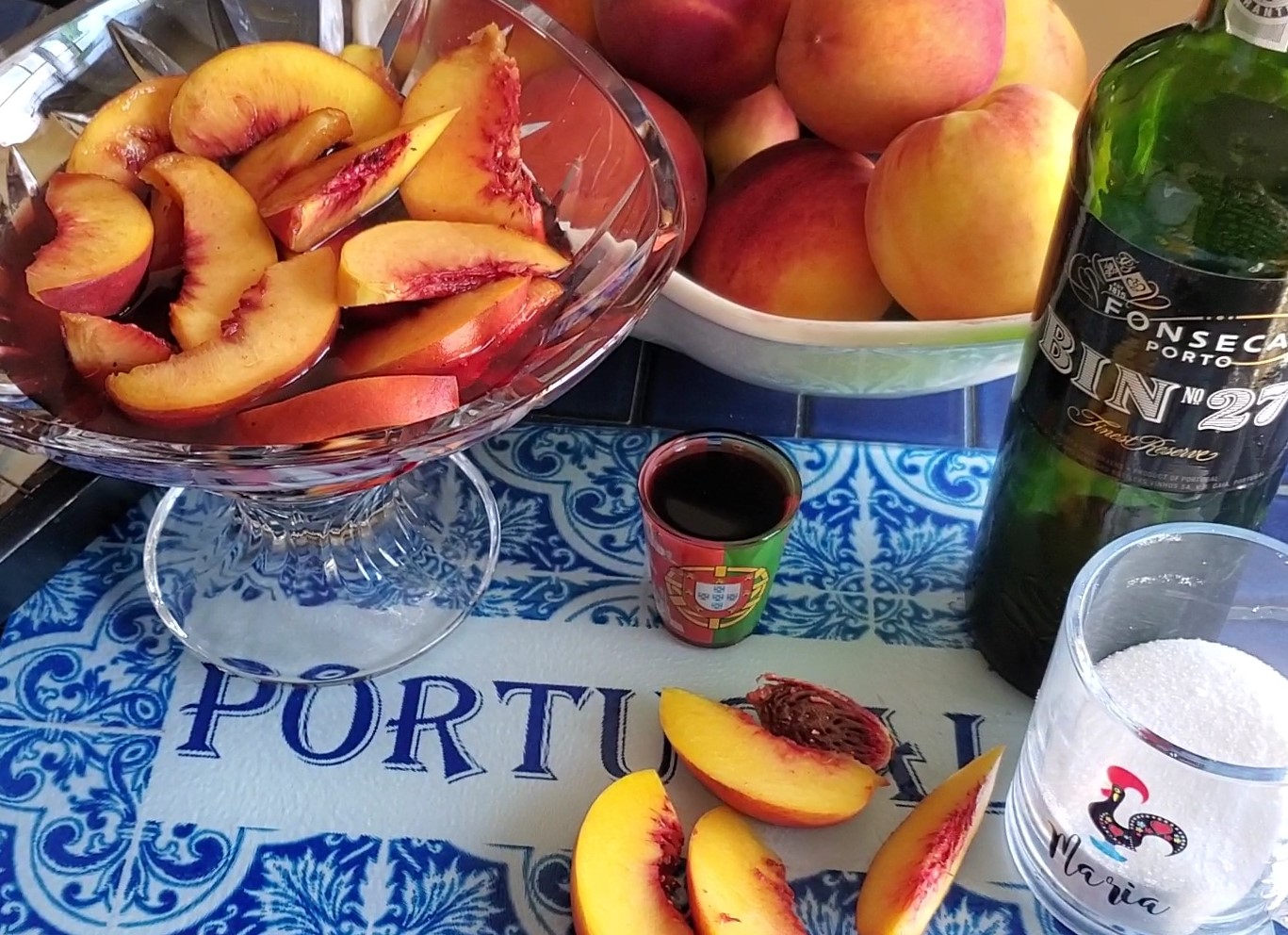
This beautiful dessert is a must have during peach season! Order these beautiful Glass cutting board and mugs here at Lisbon Blue Shop

I had a great time answering all your questions while making this video. It’s wonderful to receive so much support from all of my followers...
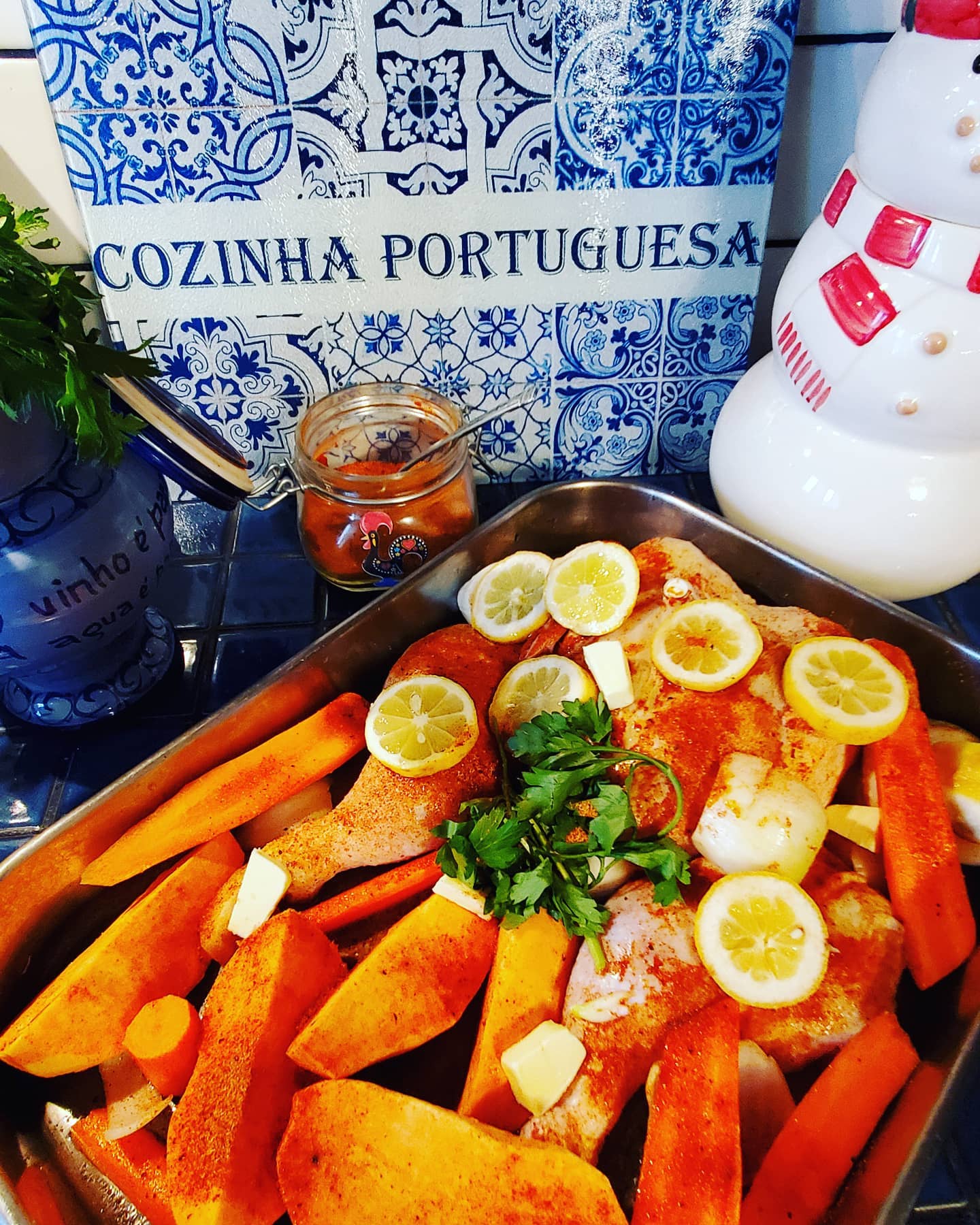
This Chicken is tender, juicy and full of flavor from the roasted onions and sweet potatoes. All you need is my spice mix, olive oil...
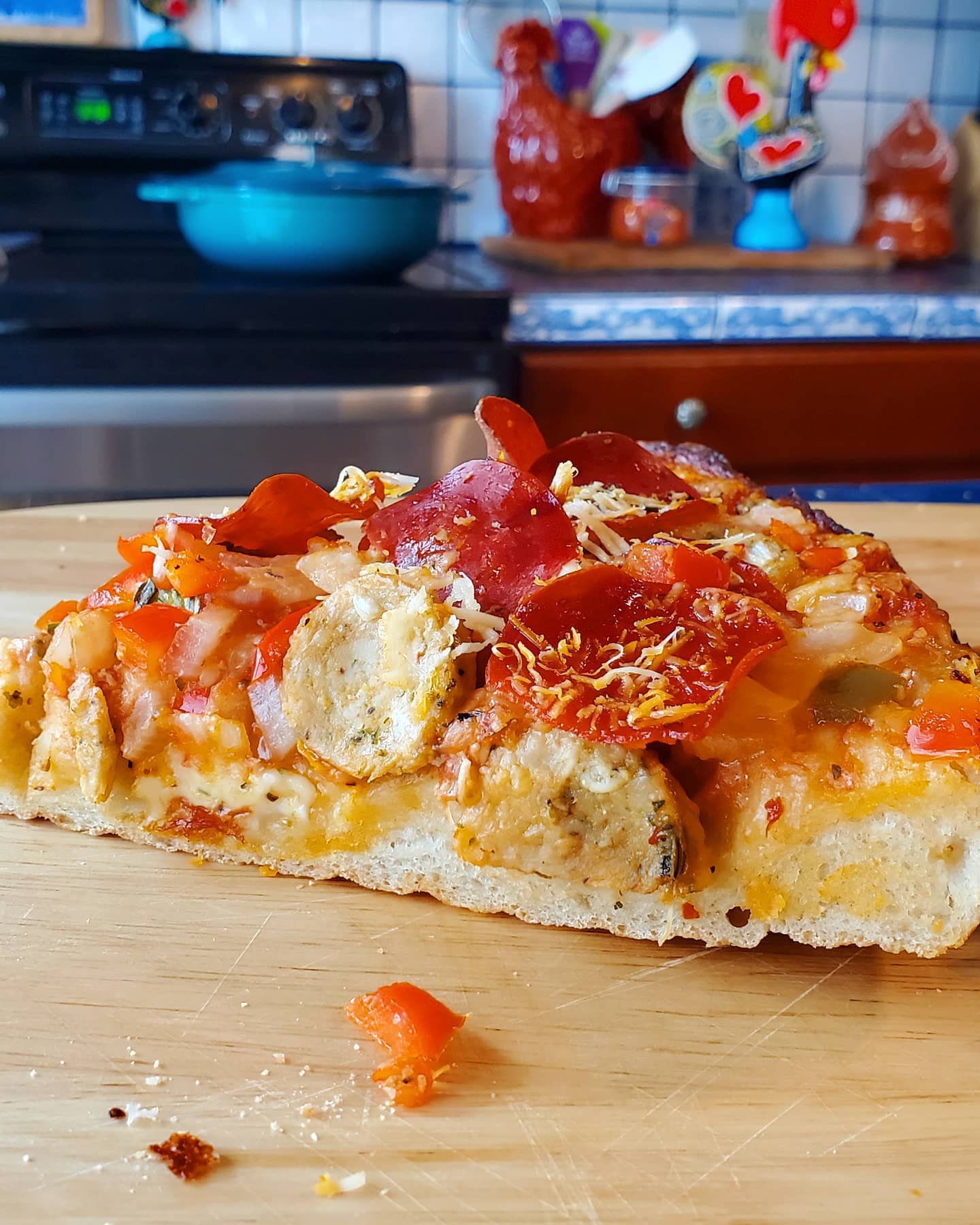
Pizza Dough Ingredients: 4 cups flour (more as needed) 2 tablespoons olive oil 1 package dry yeast (1/4 ounce or 2 1/4 tsp) 1 teaspoon...
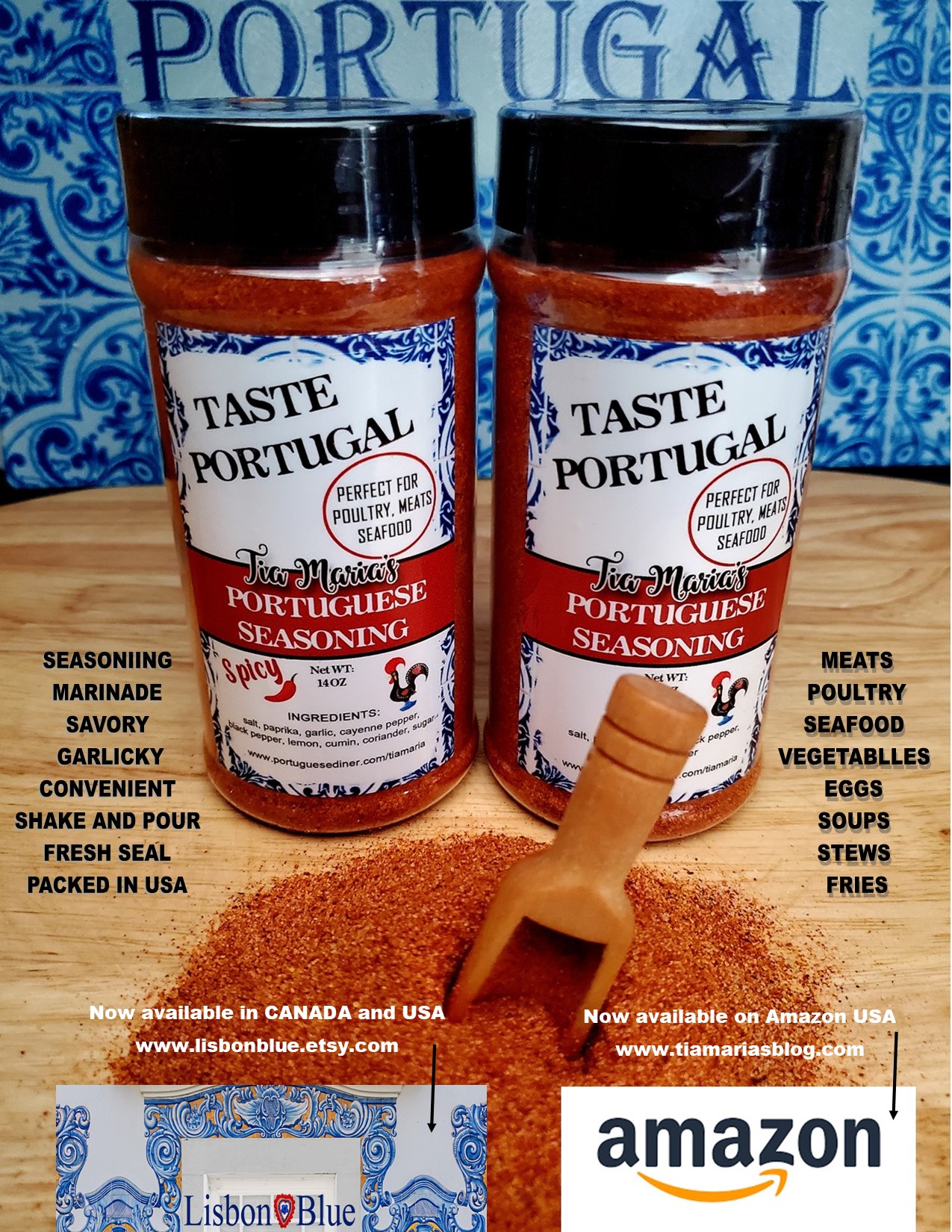
Introducing my Taste Portugal Tia Maria’s Seasonings! For FREE SHIPPING IN USA – visit Lisbonblue.etsy.com Amazon.com I’m so happy to bring you these 2 custom...
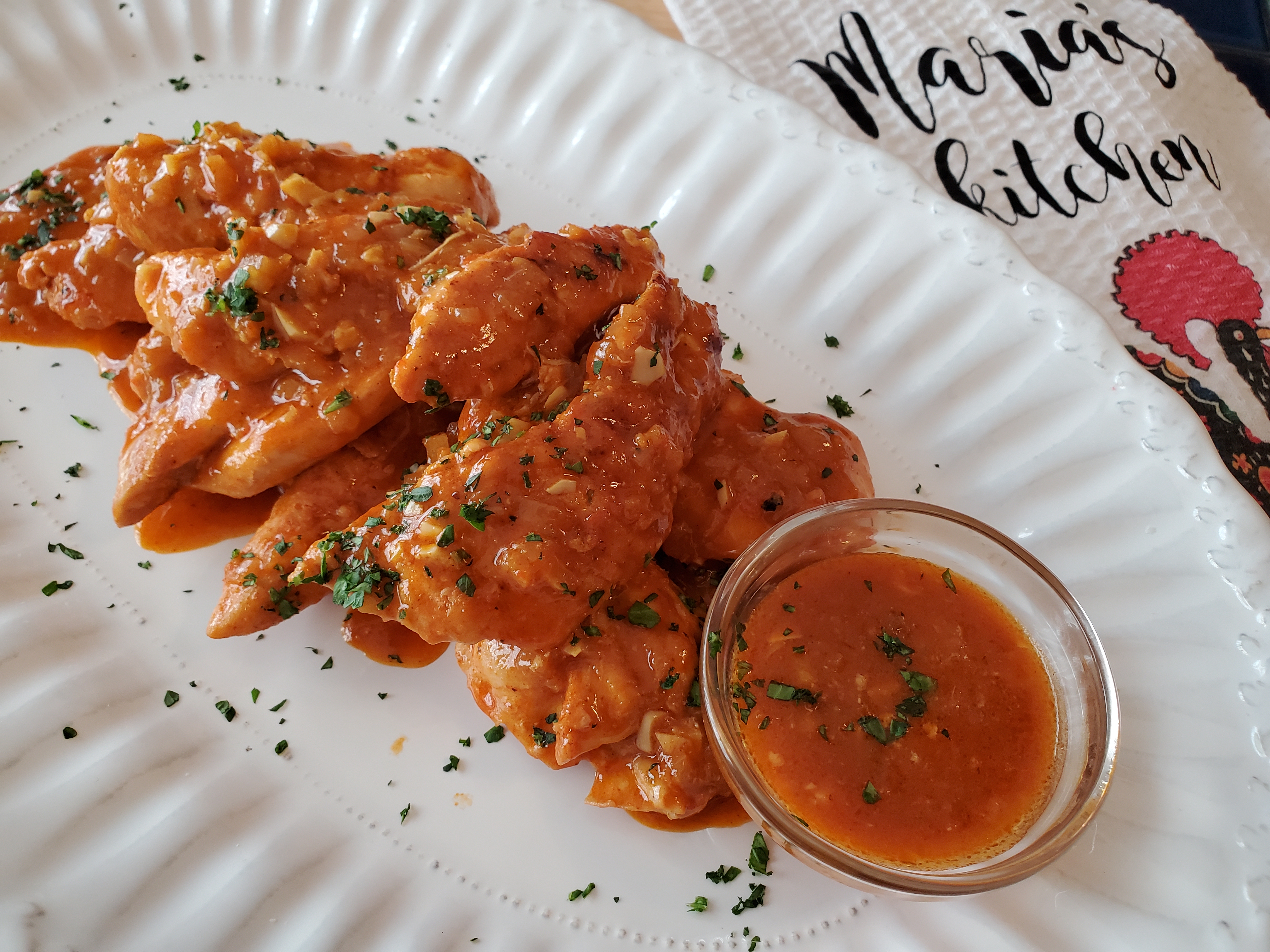
This delicious recipe is one of my family’s favorite chicken recipes. The chicken is moist, flavorful and it has a spicy kick! Perfect over rice,...

Vinho Verde Sangria is so delicious and refreshing! This is a perfect summer drink. “Cheers – Saude”! Order these beautiful custom glass cutting boards on...
Here are five delicious sandwiches made with my favorite 3 Meal Muffins/Portuguese muffins/Bolos Levedos! Visit their website at 3mealmuffin.com to order and to find out...
Easy Won Ton Soup This will be your go to easy recipe any day of the week! I’ve made many variations on this soup in...
Order this beautiful Glass cutting board on Lisbon Blue shop Watch video recipe here: My family calls this dish Portuguese Chili. It’s easily made with...
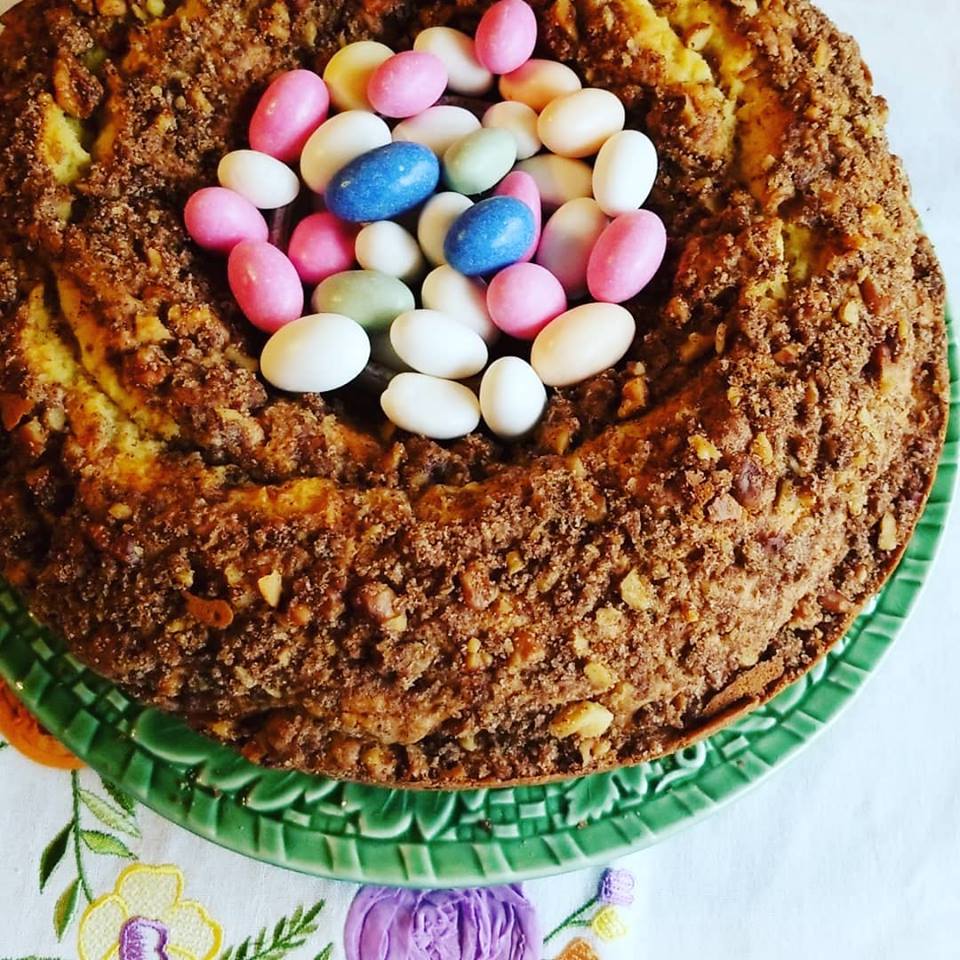
Easter Sour Cream Birds Nest Coffee Cake is a perfect cake for your Easter dessert table. Look at those beautiful candy coated almonds that look...
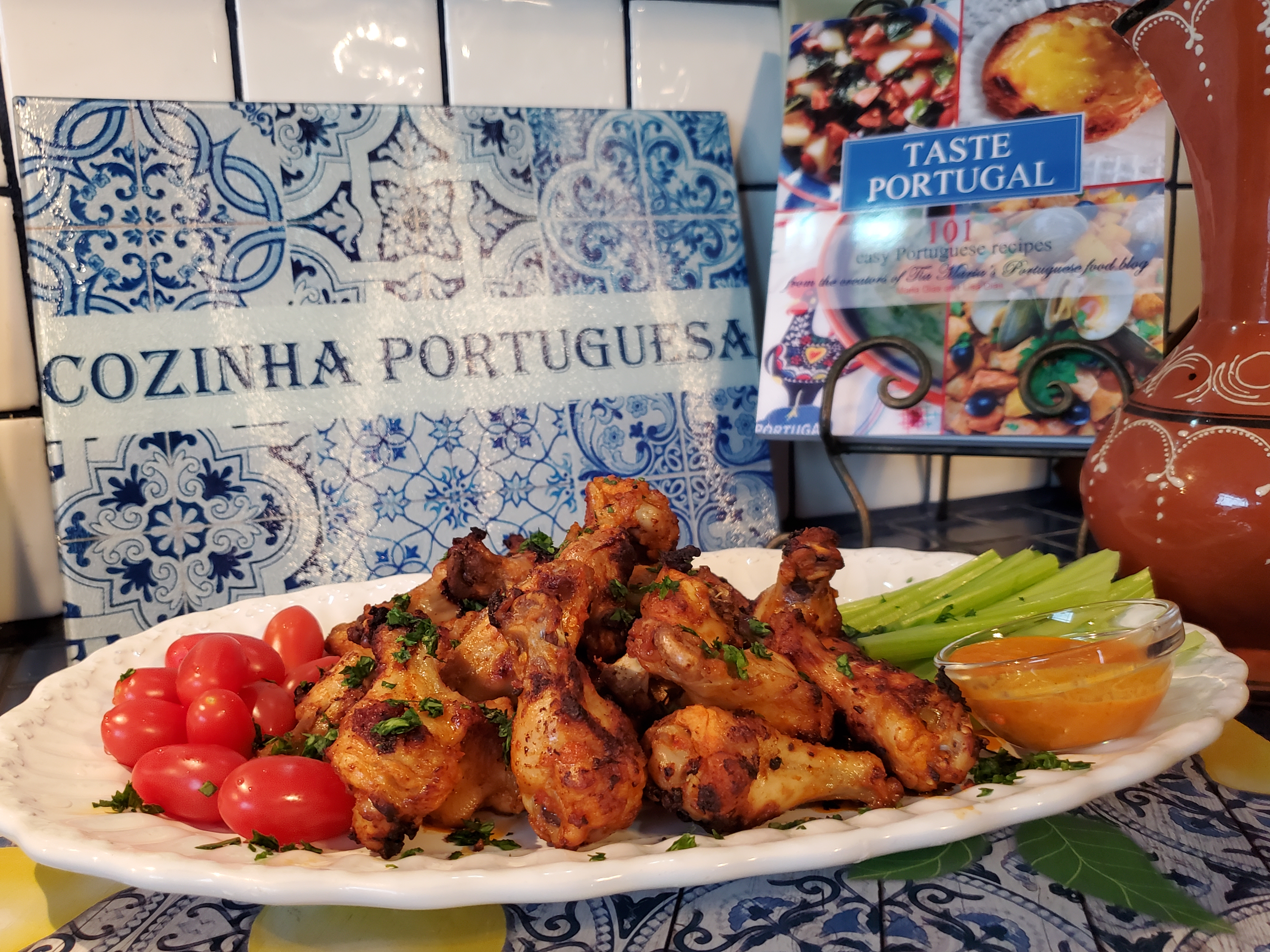
TAKE MY SHORTCUT AND USE MY TASTE PORTUGAL SPICY PIRI PIRI SEASONING Piri Piri Chicken wings are so delicious that you’ll keep making them again...

This easy makeover was easy with sticky tile paper, and porcelain drawer handles from Amazon. 1 roll of paper covered both my chest and my...
I always add sweet potatoes to my beef stew since it adds great flavor and the texture thickens the broth. Make a big pot to...
Ingredients: 2 pounds ground beef or ground turkey 2 eggs 1 cup dried seasoned breadcrumbs 1 slice of fresh bread (crumbled, I use a grater)...
This classic Lemon Rosemary Chicken is moist, juicy and full of lemony flavor. I always make 2 chickens so we can enjoy the chicken the...
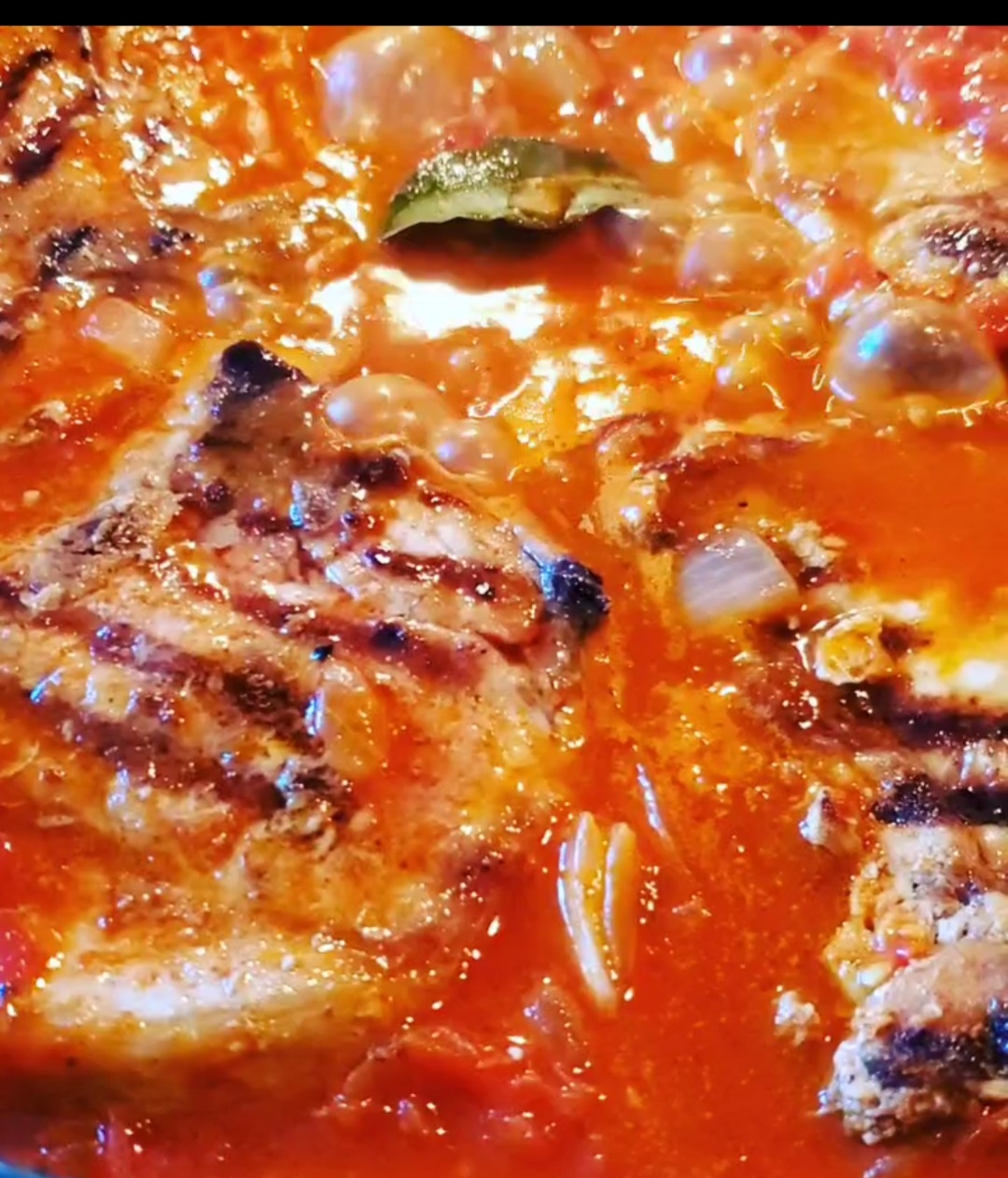
Ingredients: 6 pork chops 2 tablespoons olive oil 1/4 cup white wine 1 tablespoon salt 1 teaspoon garlic powder 1 teaspoon paprika 1/2 teaspoon crushed...
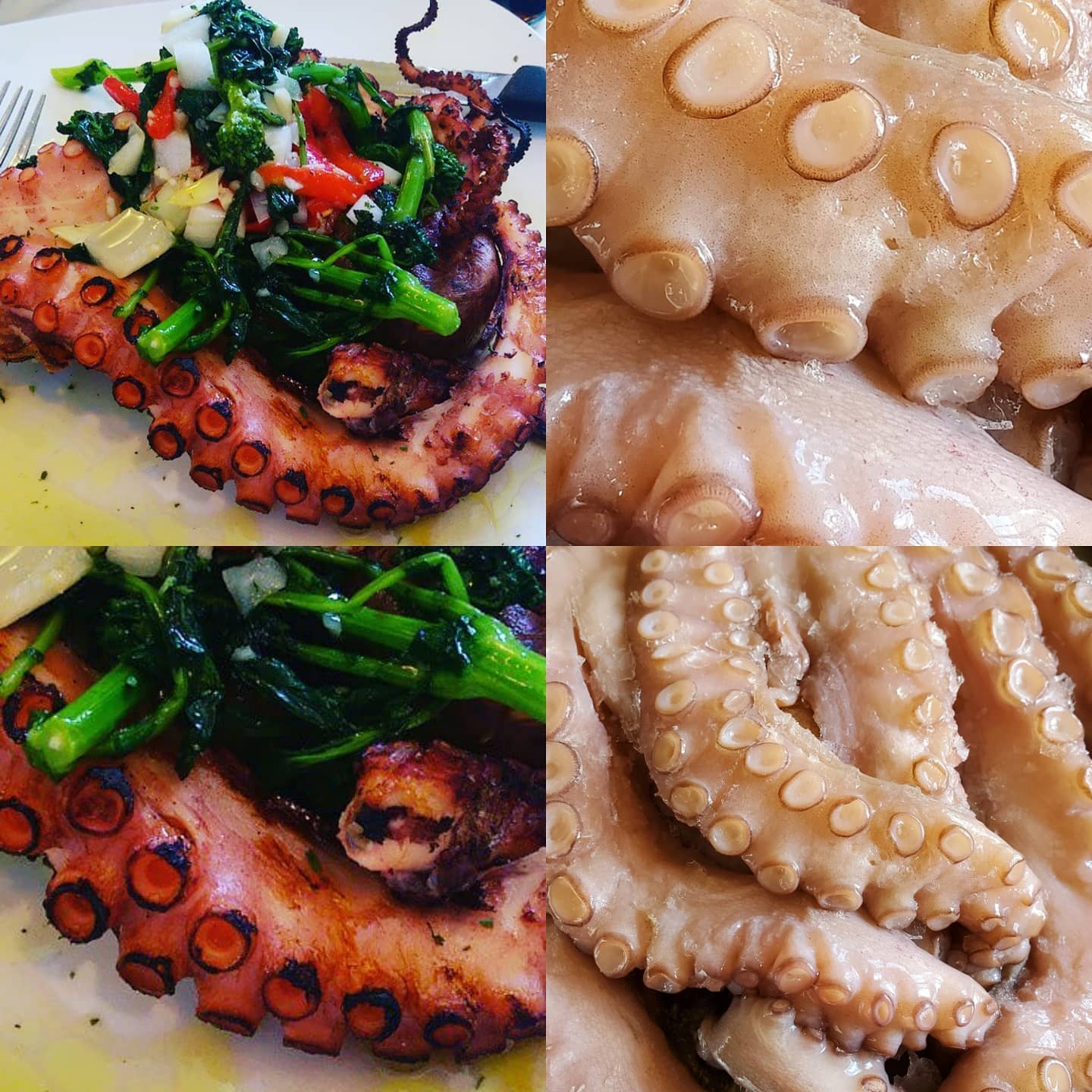
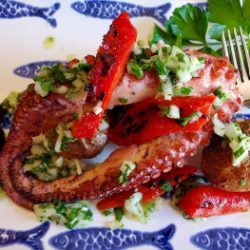
Don’t be intimidated by cooking octopus. It’s relatively easy to do. I learned this method from my mother of boiling the octopus in water with...
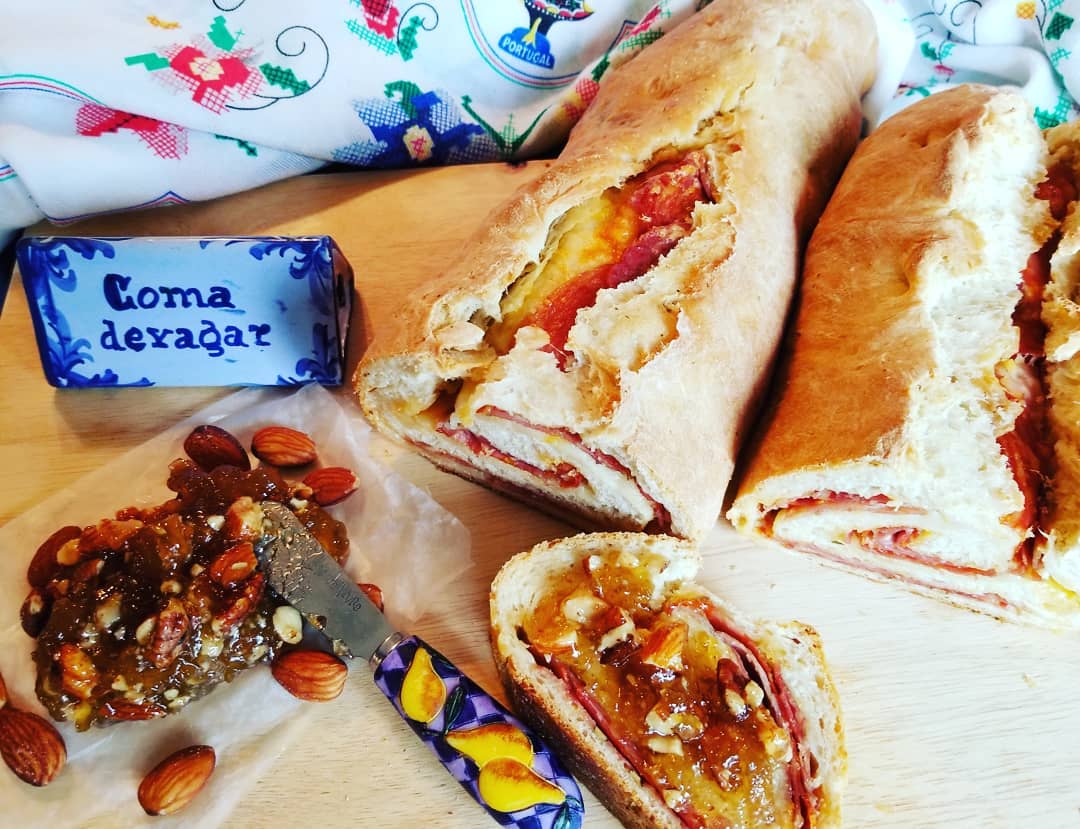
This bread is savory, salty and sweet all in the same bite. Make 2 because this will be the first appetizer to go. It a...

This Caramel Flan is delicious, so creamy, and you can’t tell it from the original flan recipe. Watch my original Caramel Flan video recipe below...
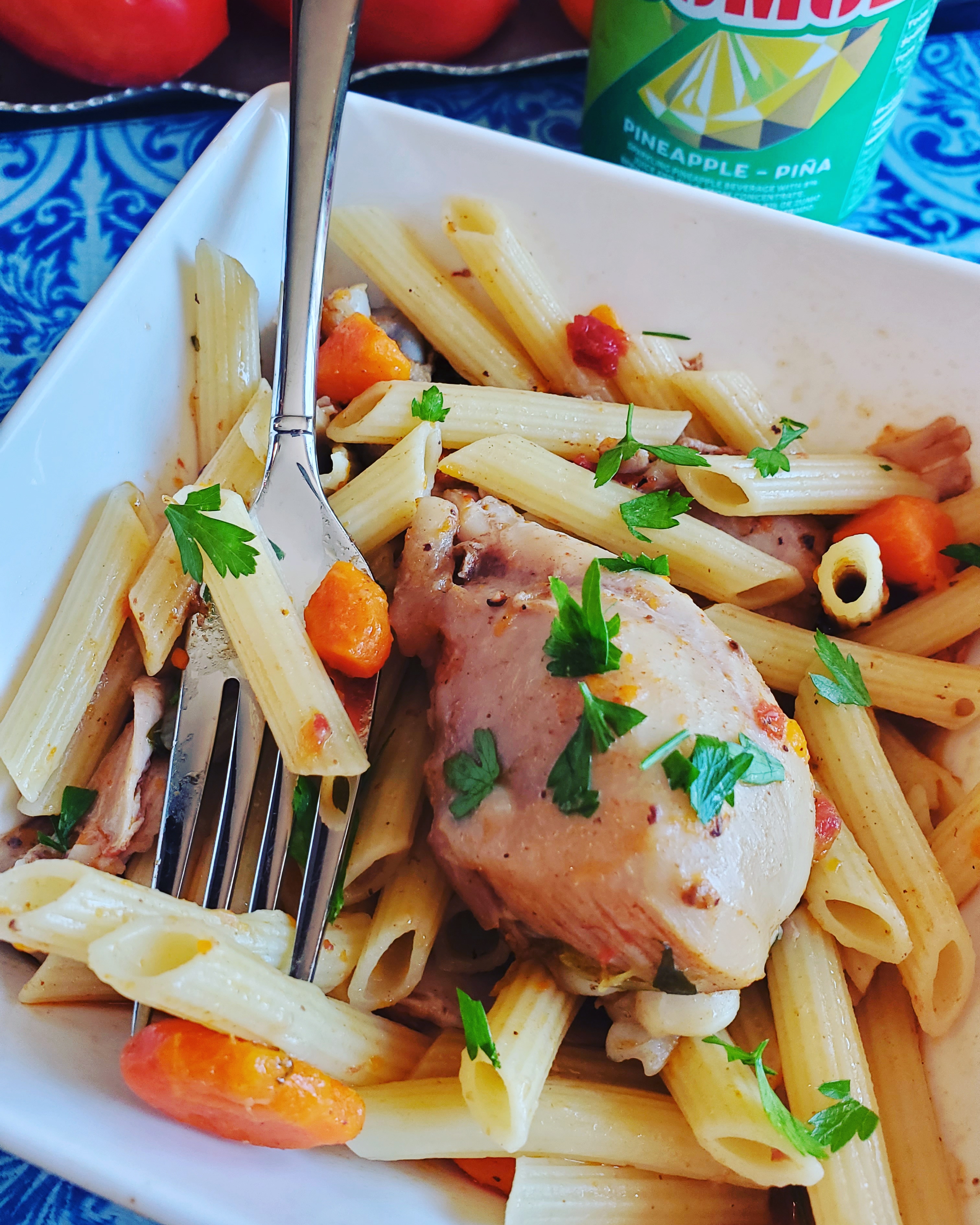
This chicken and pasta recipe is a one pan dish that’s simple to prepare and cooks in under 1 hour. The chicken comes out tender,...
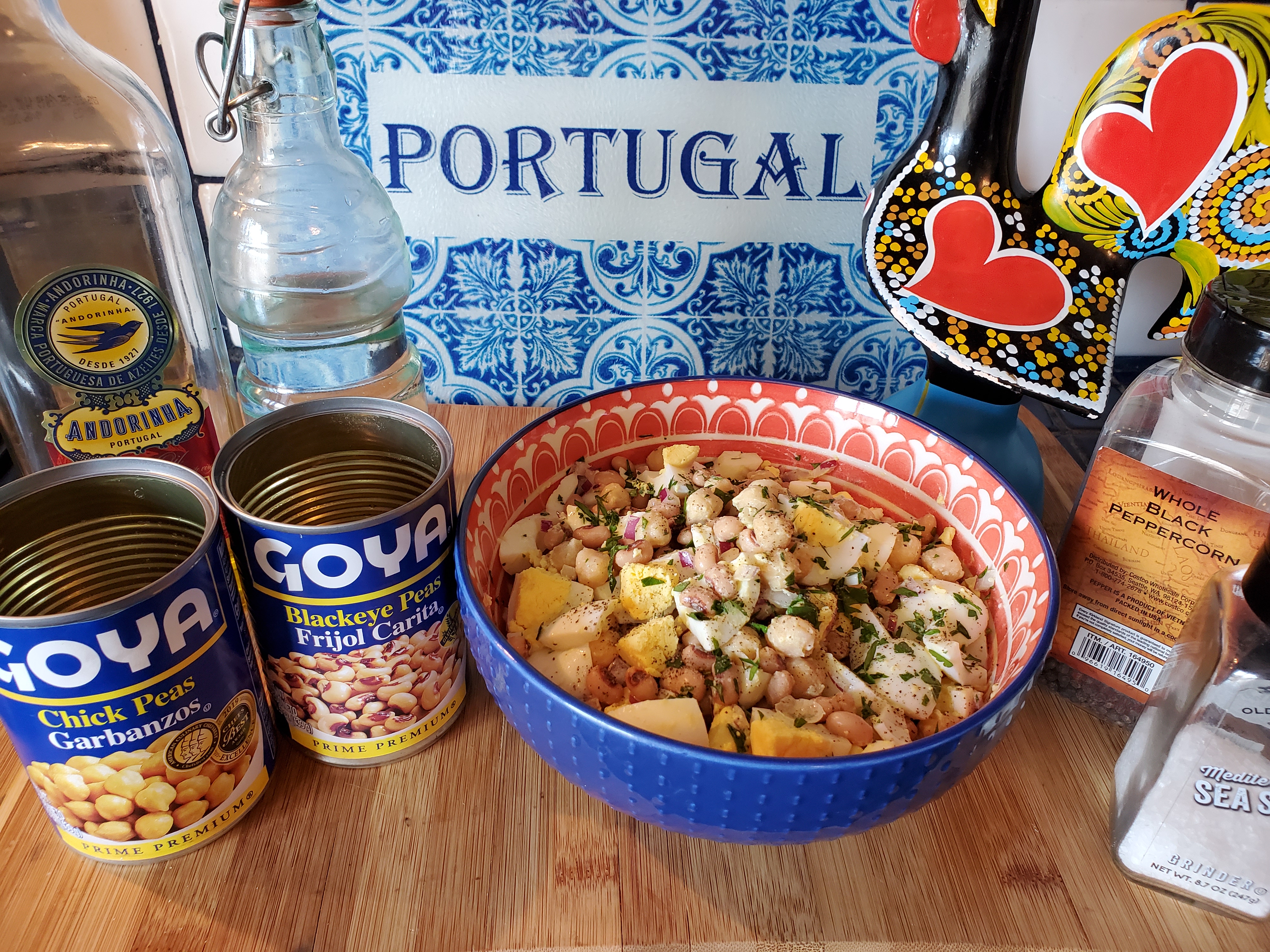
Ingredients: 2 cans of either chick peas or black eyed peas or combine both 4 to 6 boiled eggs (quartered)1/4 to 1/2 cup olive oil1/8...
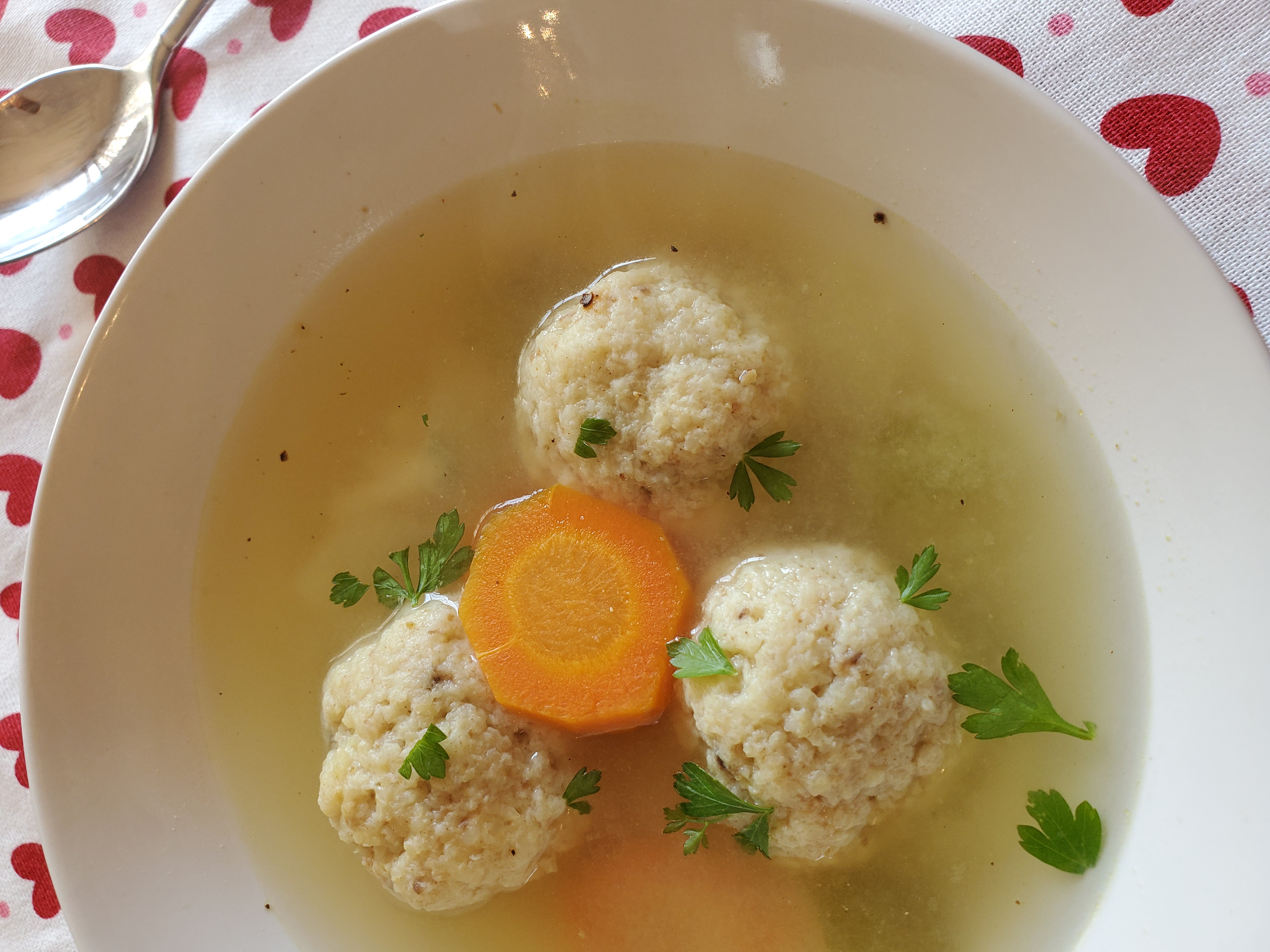
Matzo Ball Ingredients: 3 eggs (separated) 1 and 1/2 tablespoons olive oil 2 tablespoons club soda (seltzer) 1 package Matzo Ball soup mix (I use...
Ingredients: 1 (3 to 4) pound roasting chicken (butterflied) 2 lemons (sliced) 1 large onion (chopped) (optional) ¼ cup olive oil 1 tablespoon butter 1...
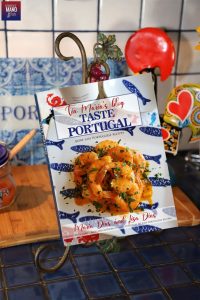
Introducing my second cookbook; TASTE PORTUGAL MORE EASY PORTUGUESE RECIPES. This cookbook has 121 recipes. Including my spice and sauces, soups and how-to’s like “how...
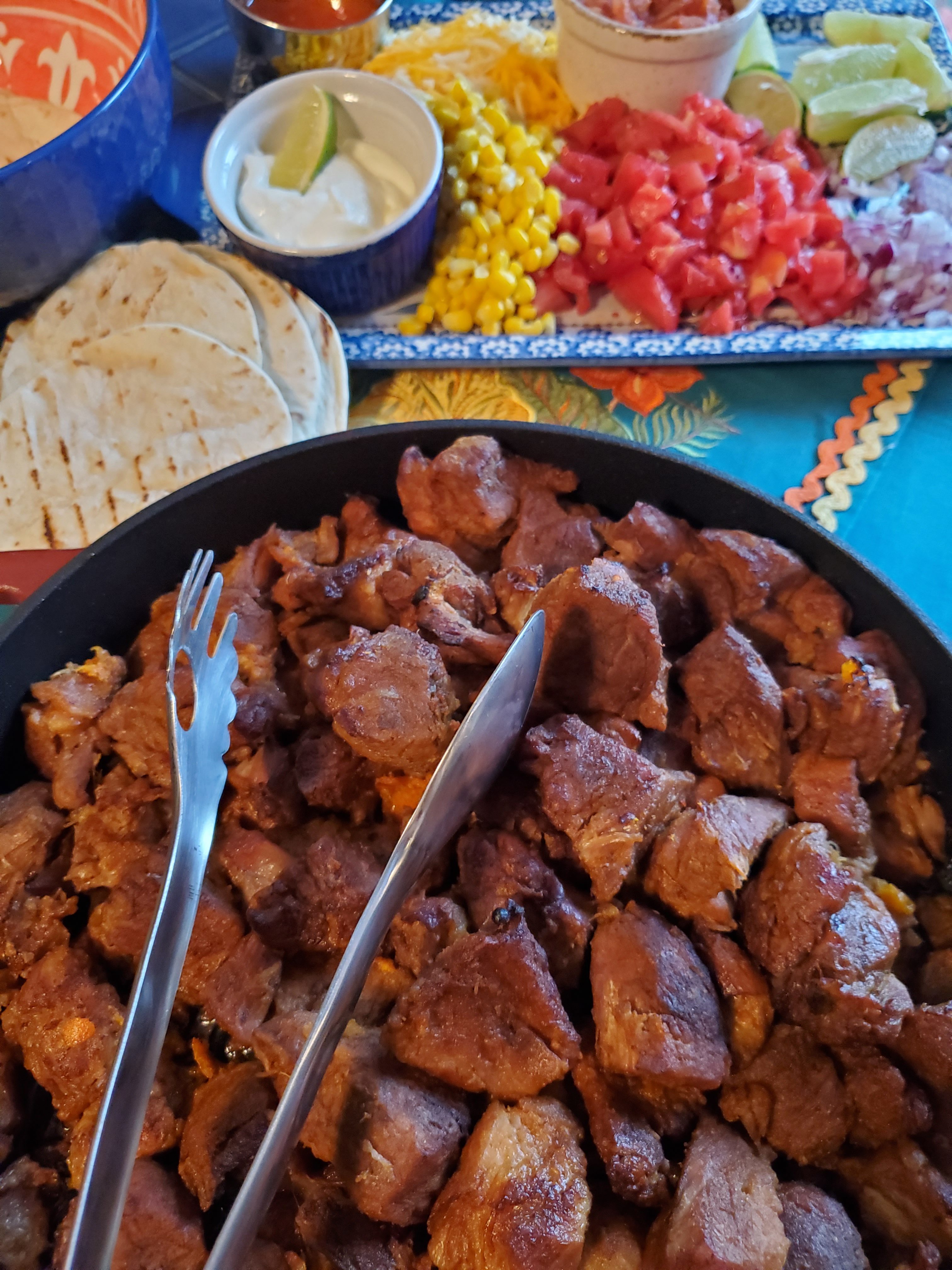
This is the best recipe that’s I ever made for carnitas. The recipe is easy and cooks for about 3 hours in the oven making...
This savory quiche will be your favorite way to use all that summer zucchini that’s in season right now. I bet you have all the...

Festa food recipes continue this month with these Filhos da Festa. This popular dessert is a favorite at every festa. Some people call them “Malasadas”...
You’ll love this easy, low carb, low calorie version of the classic Portuguese Shrimp and Rice dish that’s one my favorite recipes on this blog....
You can’t get the Portuguese Festa experience without enjoying some authentic barbecue chicken while you’re there. The chickens are deliciously flavored with Portuguese spices and...
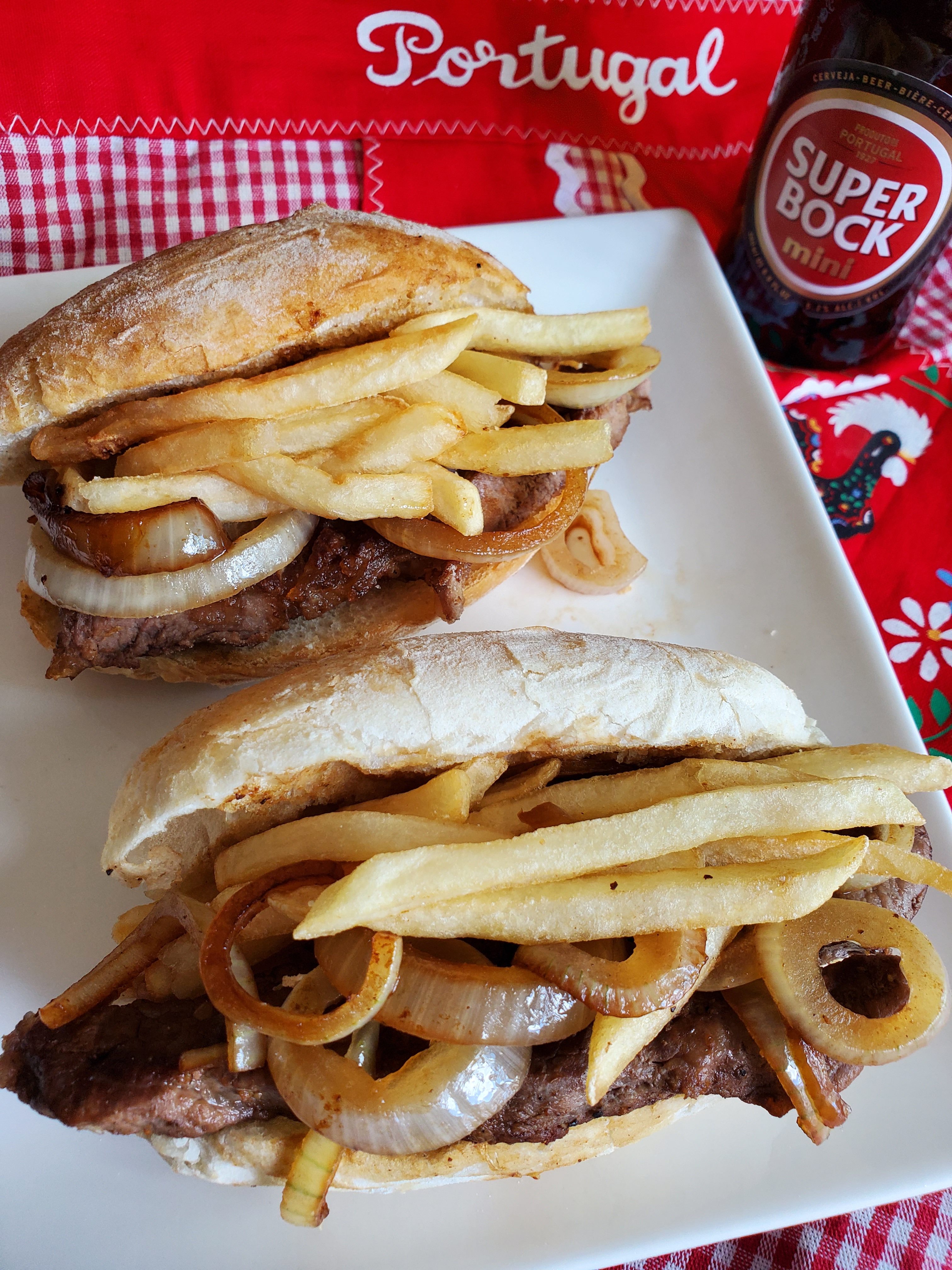
Time to Festa everyone! The months of June through September is “Festa” season throughout Portugal and in Portuguese communities around the world. Since most festas...
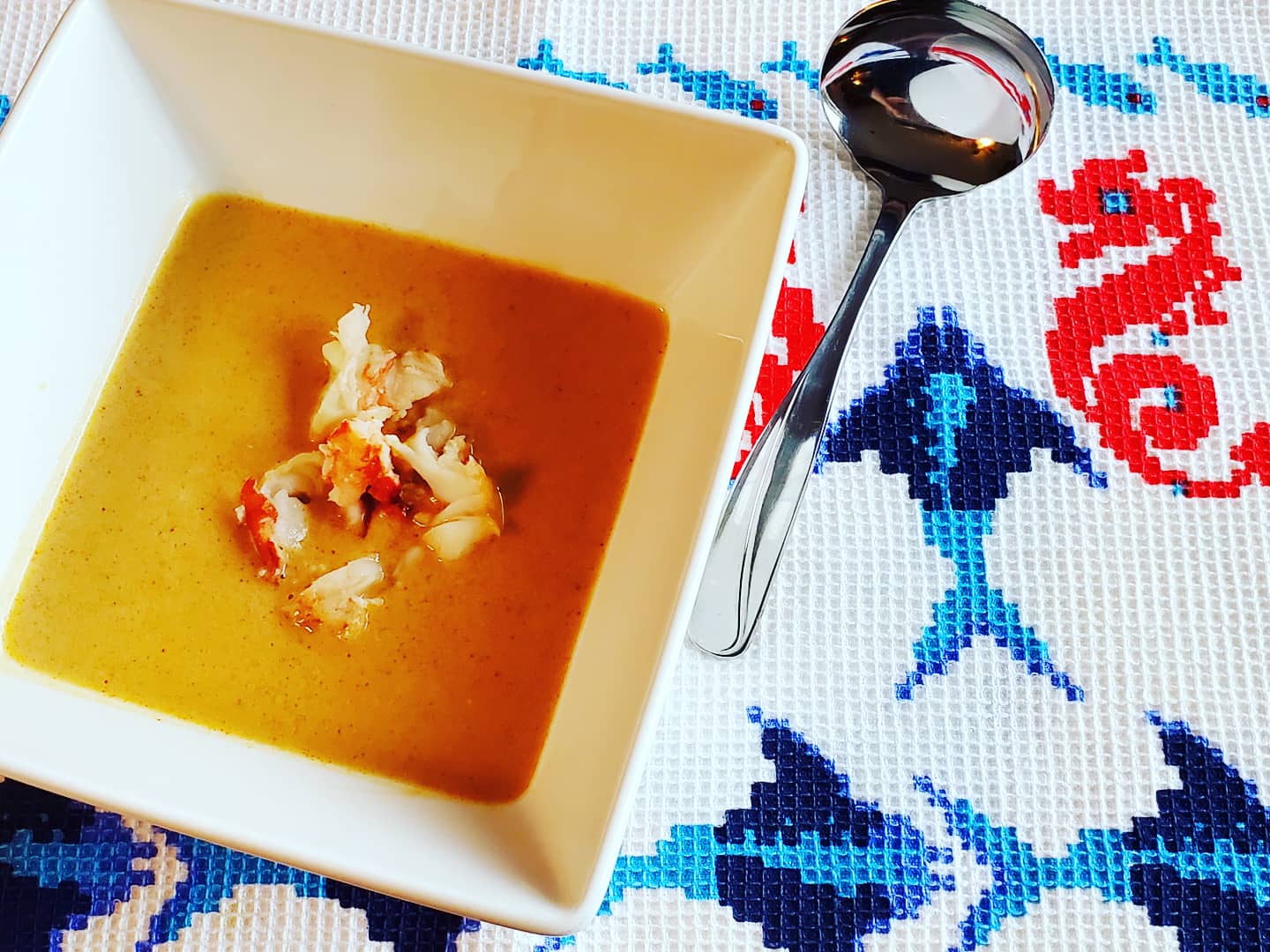
This Lobster Bisque is creamy and full of great savory flavor. Next time you have some leftover lobster shells save them or freeze them to...
This Pizza Dough can be used to make any kind of your favorite pizza, flatbread or even foccacia breads. Ingredients: 4 cups flour (more as...
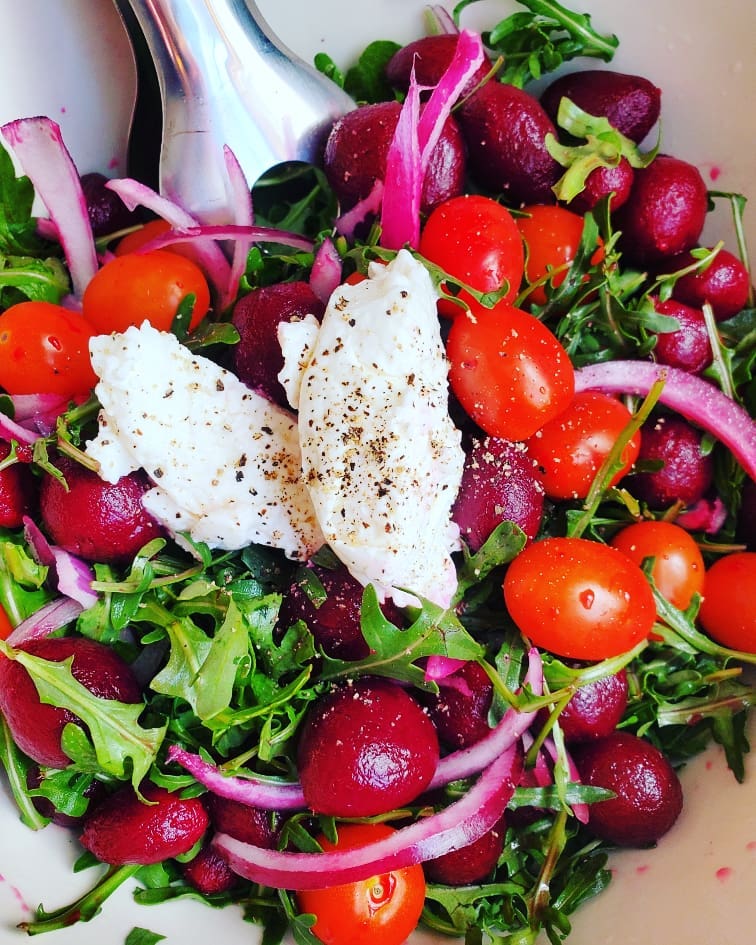
Arugula, Beet, Cherry Tomato and Fresh Farmer’s cheese salad. This healthy salad is full of antioxidants and tastes delicious. Both savory and sweet! Loving the...
This fresh codfish recipe is simple and delicious! Perfect for lent, meatless Mondays or any day of the week. Feel free to use salt cod...
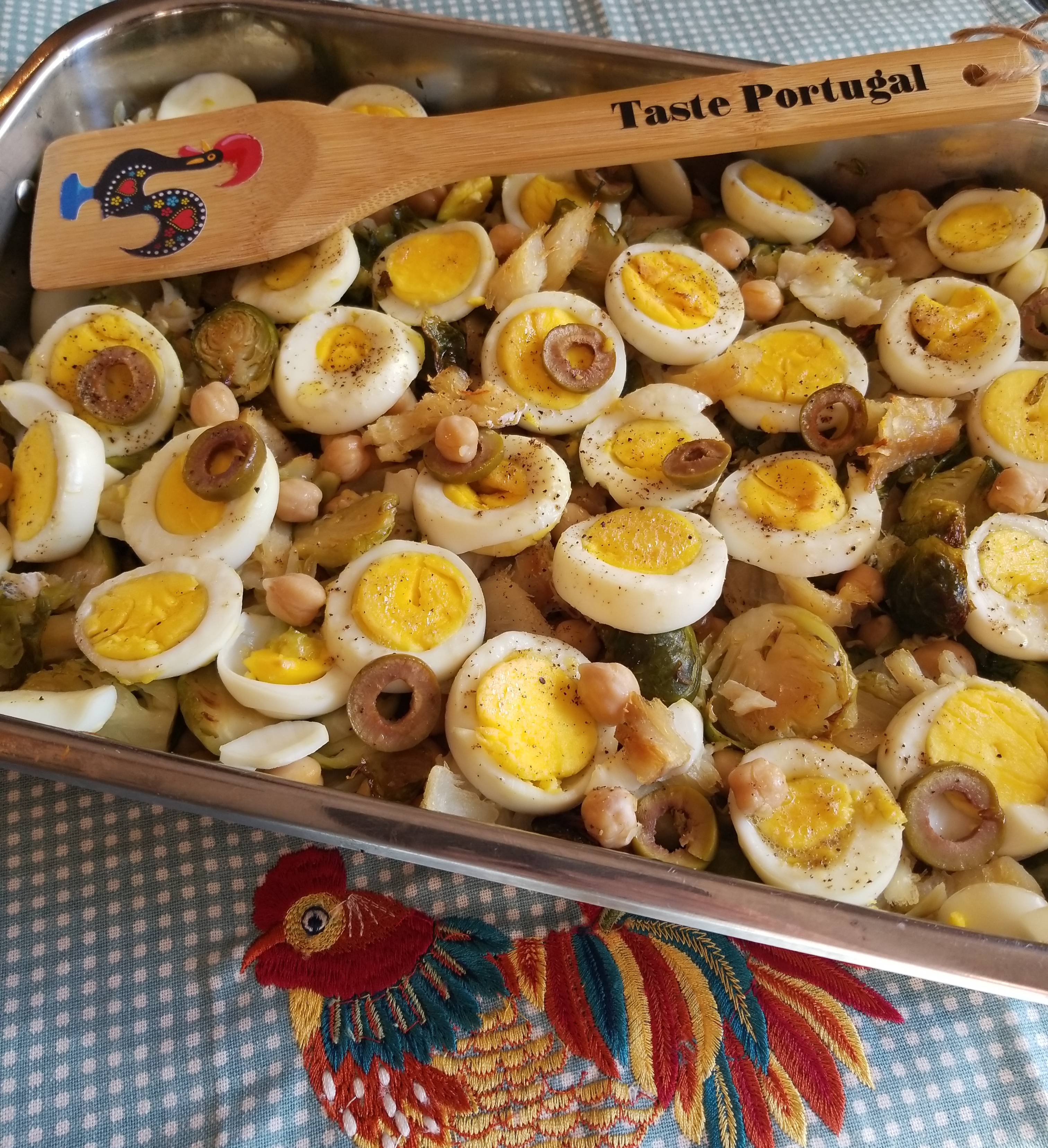
I made this easy recipe last week and it was delicious! Don’t let the simple ingredients fool you because it’s delicious! A perfect side...

Lisbon Blue Shop – Unique handmade crafts and other gifts inspired by Portugal Hi Everyone! Join me, and my daughter Lisa at our...
After experimenting with my own Copy Cat – Shake and Bake recipes, I finally came up a winner using some spicy Piri Piri sauce to...
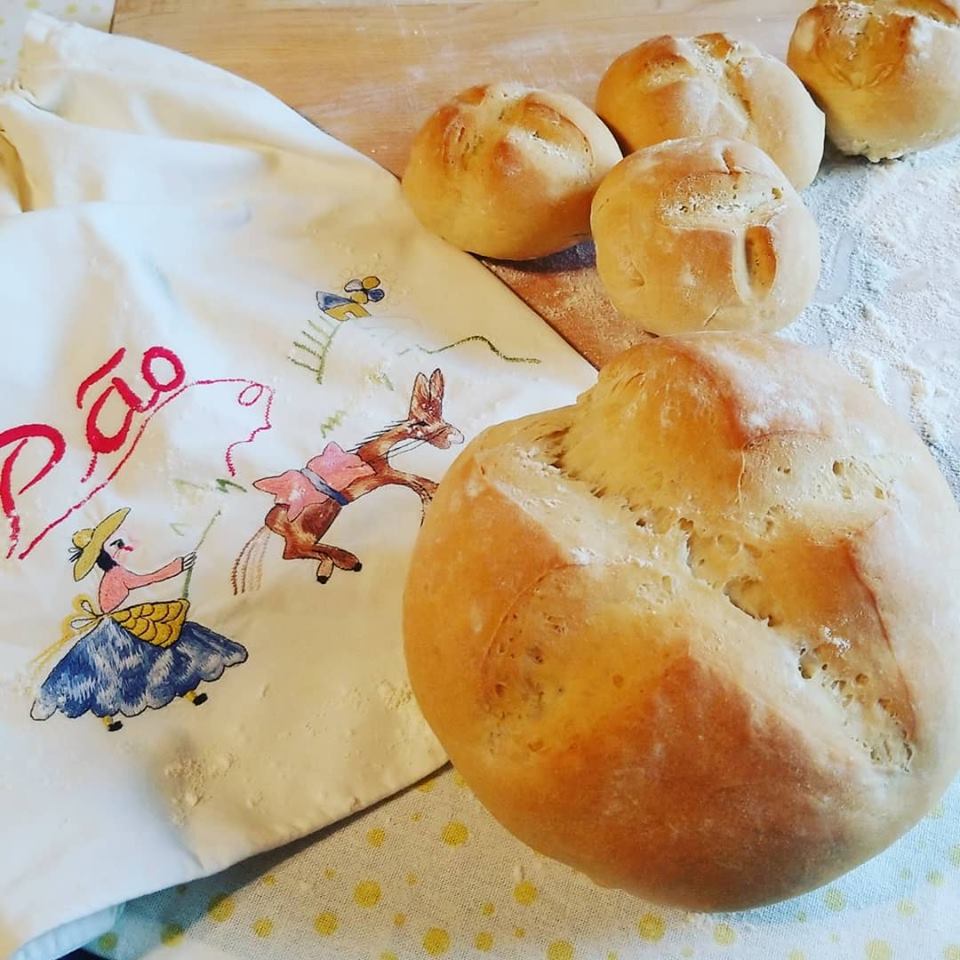
Let’s make Homestyle bread – Pao Caseiro together! Romeo and Juliet Sandwich is a combination of Portuguese Sao Jorge Cheese and Marmelada Ingredients: 4...
Shrimp Mozambique This shrimp dish is a party in a pan! All you need is some good Vinho Verde, fresh crusty bread for dipping...
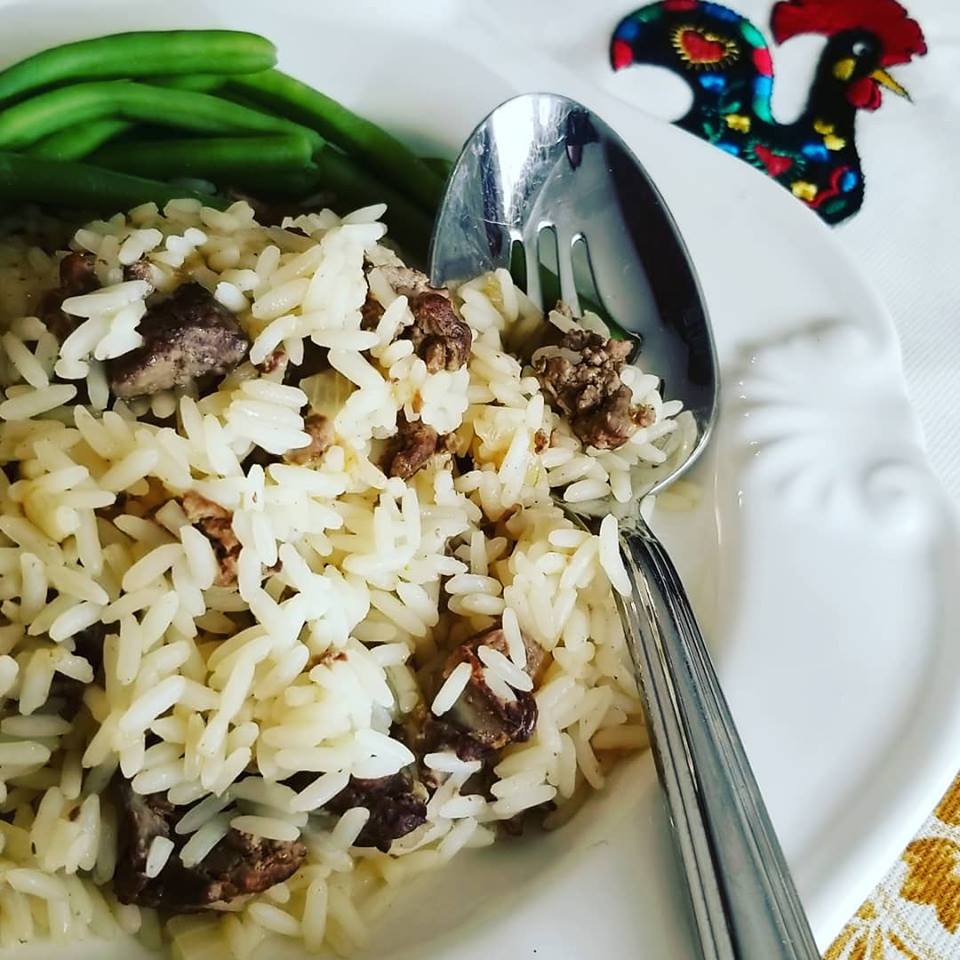
Arroz de Figado – Portuguese Style Dirty Rice This old classic recipe is on the comeback at upscale restaurants but I’ve been enjoying this dish...
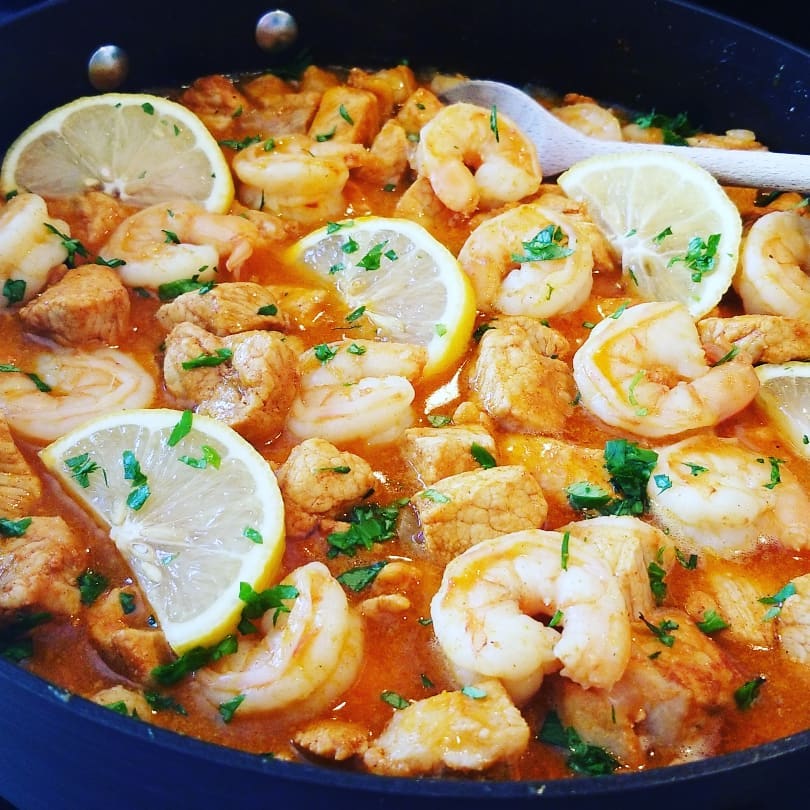
The combination of pork and shrimp in a savory yet slightly spicy sauce can be served as an appetizer with crusty Portuguese rolls, or as...
Eggs and peas is humble yet very popular dish. I had a lot of cherry tomatoes in my fridge last week, and as a die...
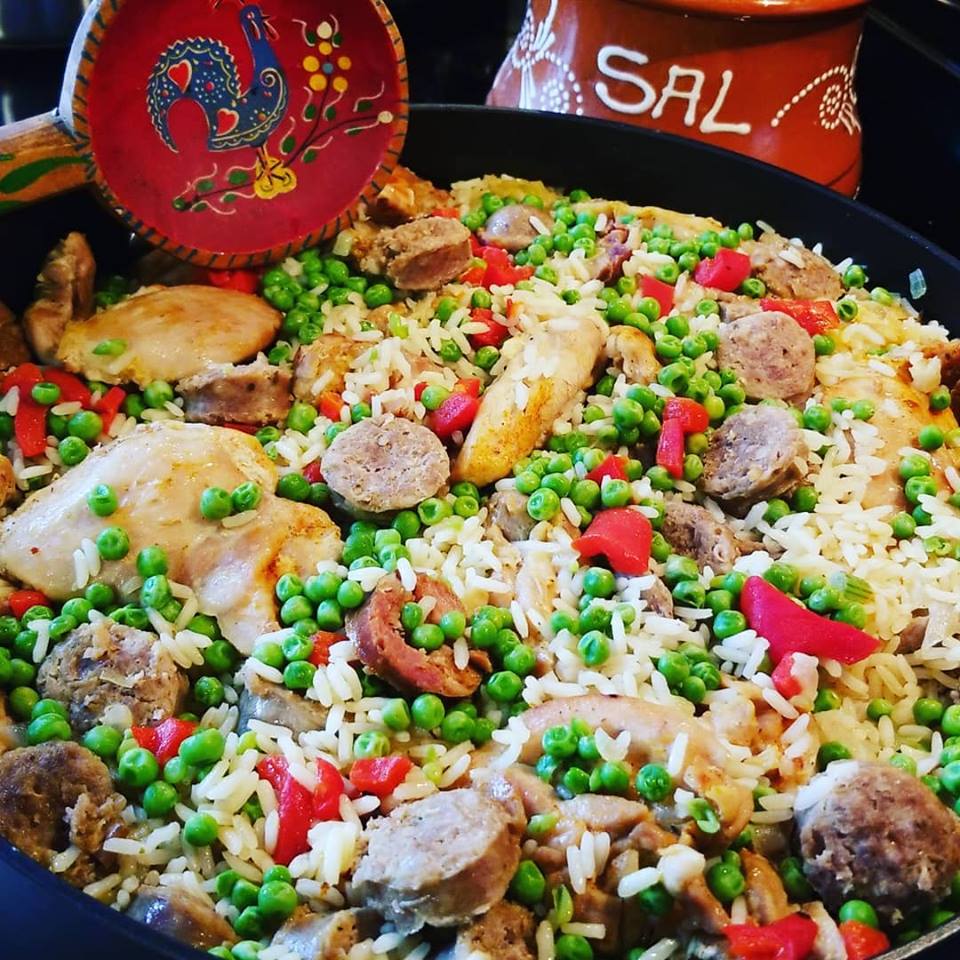
This easy recipe takes only 45 minutes to prepare. you probably have the ingredients in your pantry right now, so go ahead and try it....
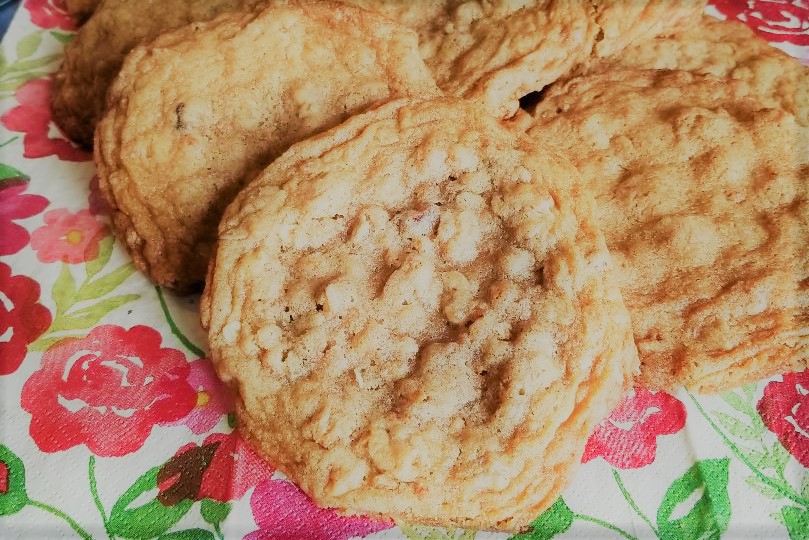
These cookies are a perfect snack because they’re packed with healthy granola, nuts and berries. I love the crispy edges and soft chewy interior. It’s...
Pescada Frita is fried “whiting or hake” I make this fish on Friday’s during lent. It’s a tradition that I carry on from my mother....

These little one bite size appetizers are perfect for your next party, or anytime snack. My preference it to use Gaspar’s Chourico or Linguica because...
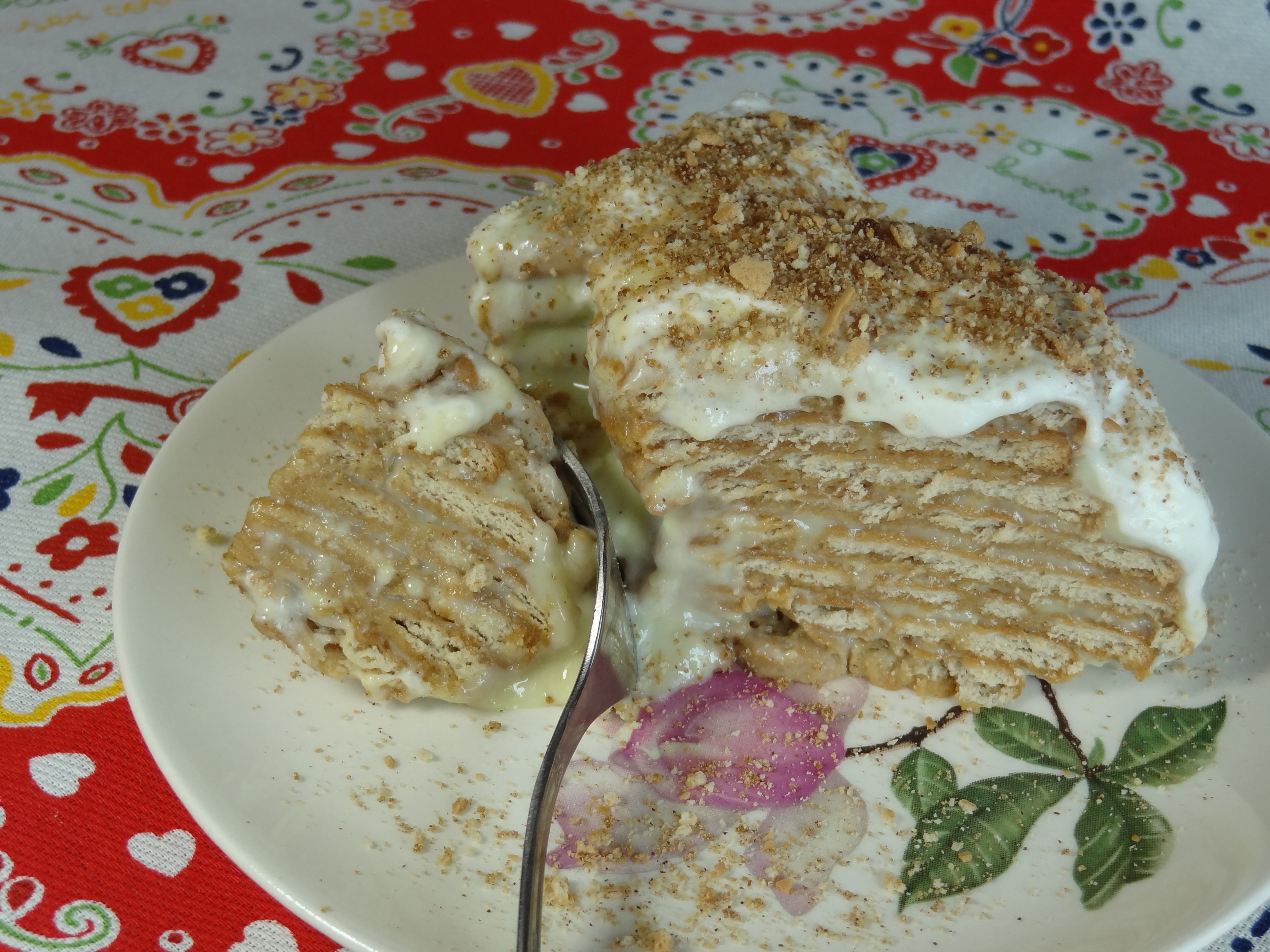
What better way to show your love, by making your friends and family a delicious Bolo de Bolacha Maria cake! This dessert is probably one...
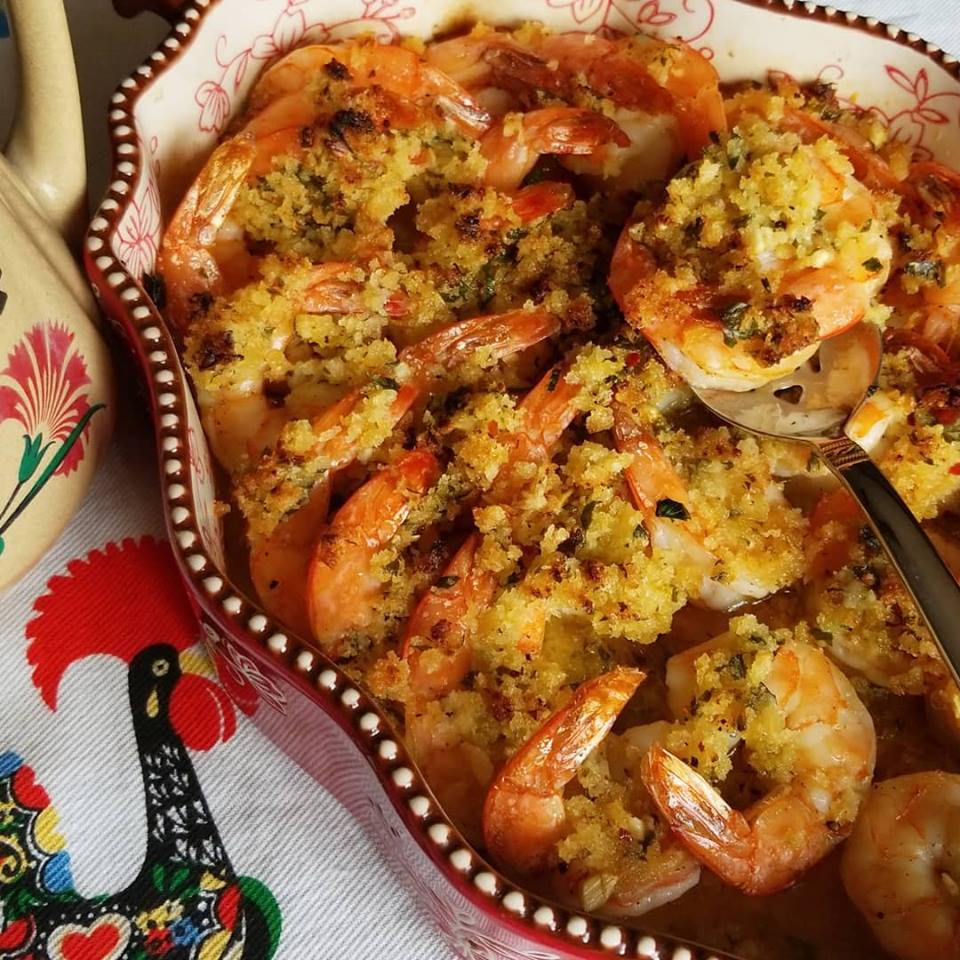
Order this beautiful Glass Cutting Board here Once you try this delicious recipe, you’ll be making all the time. It’s inspired by a recipe by...
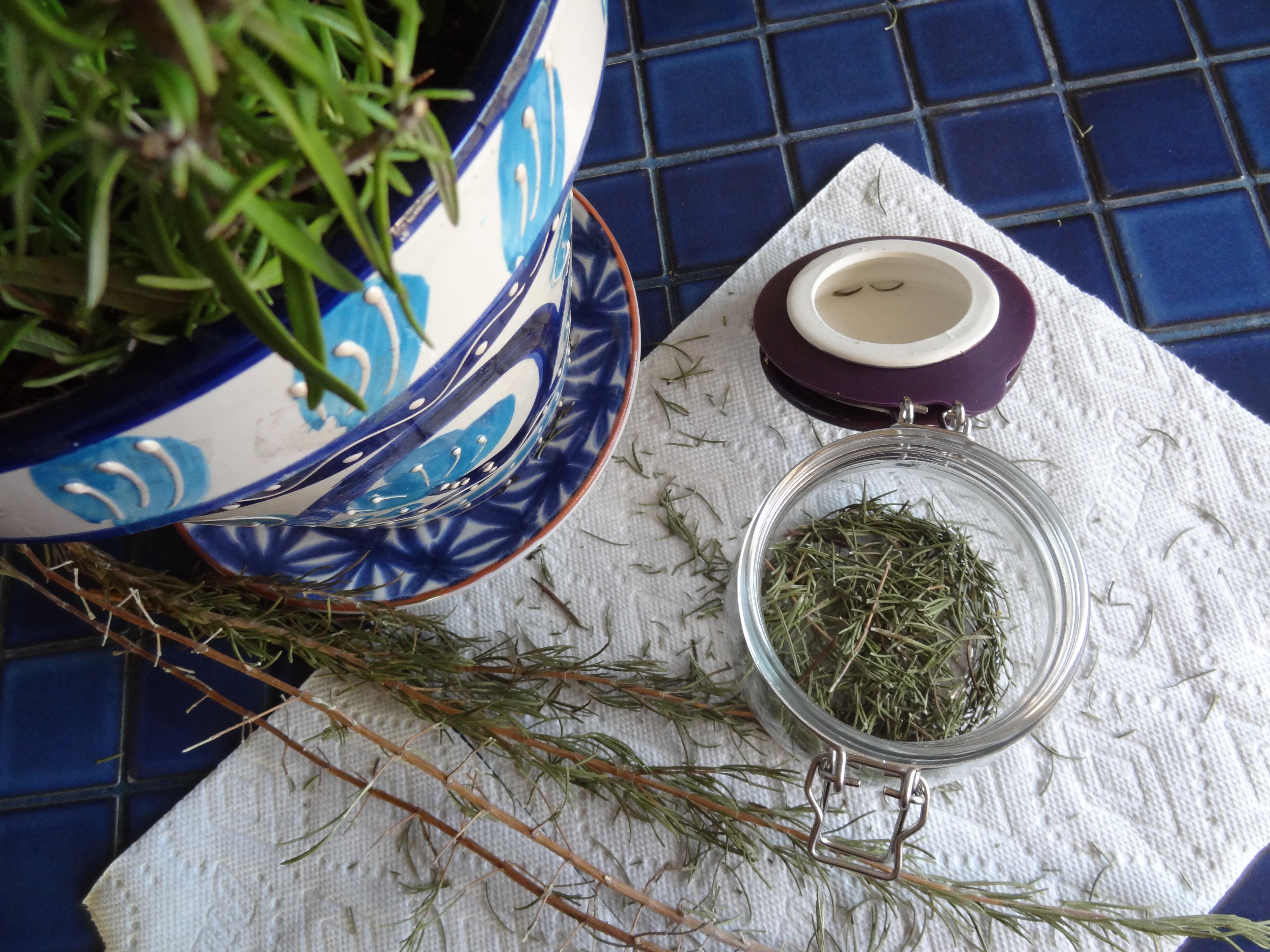
Enjoy rosemary all year long for your recipes. It’s easy to grow and dry in your own home. Step 1. Cut rosemary stems from the...
This is probably the most popular Portuguese chicken dish. People all around the world are raving about the spicy moist flavor from the Piri Piri...
Traveling Spoon is looking for new hosts in PORTUGAL! Contact Regional Manger; Joaquin Abal – joaco@travelingspoon.com What is Traveling Spoon? Traveling Spoon is an online...
Order cookbooks here Lisbon Blue Shop If you love Caldo Verde or Kale Soup like my son, you’ll love my new Keto Diet, low carb...
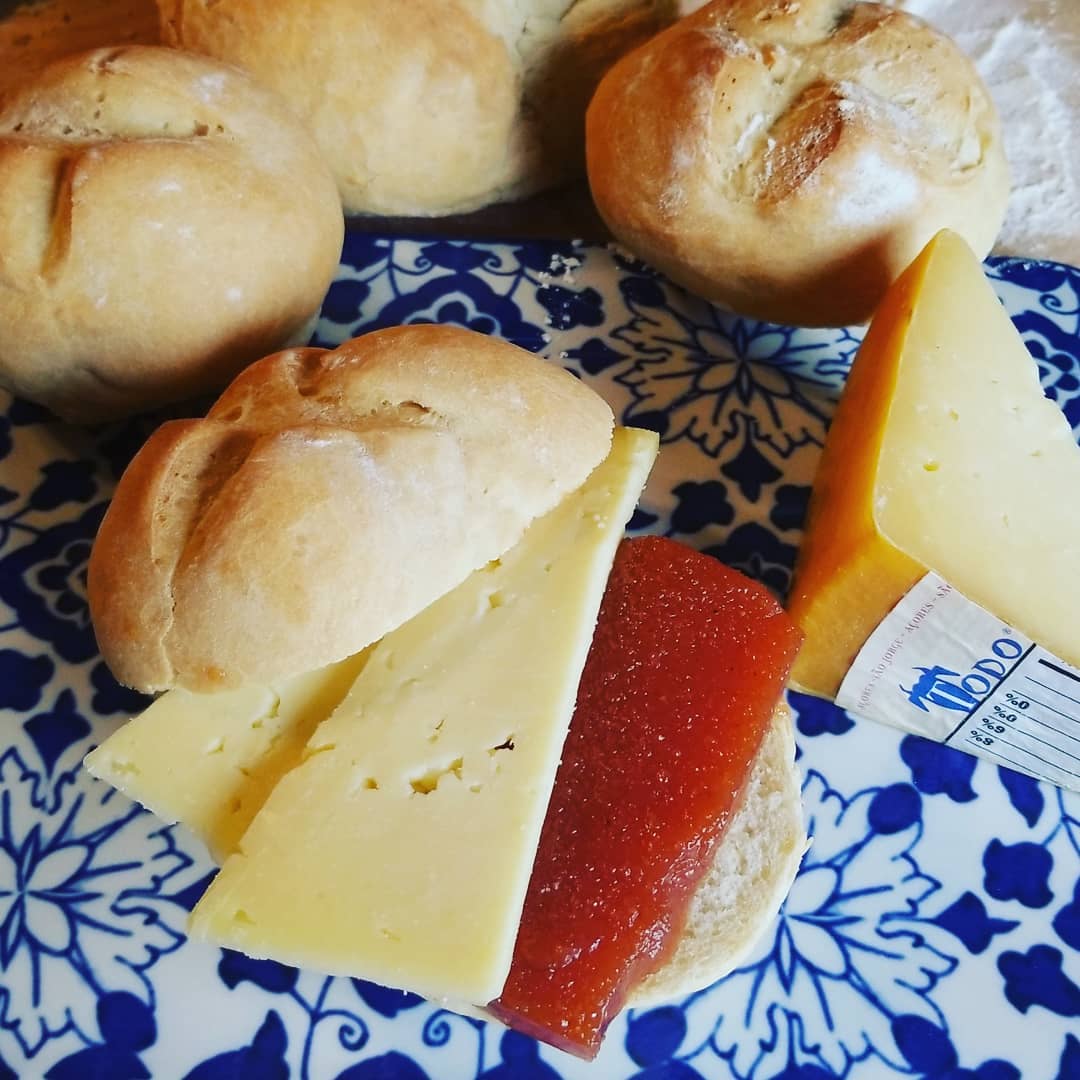
The Romeo and Juliet – Cheese and Marmelade Sandwich The love story of the perfect couple; Romeo and Juliet, inspired the name for this perfect...
I hope you enjoy this sheet pan Salmon and Asparagus dinner which cooks in only 20-25 minutes. Serve it with a tower of Portuguese Tomato...
This easy recipe is can be a lunch, snack, side dish or a main dish. Serve it warm or cold. Make this ahead of time...

Merry Christmas and Happy New Year everyone. May the spirit and joy of Christmas bring you; love, peace, health and happiness to you, your family...
Merry Christmas Everyone! Here’s a special recipe for you. Recipe #48 Taste Portugal 101 Easy recipes cookbook Portuguese Baked Stuffed Shrimp Warning!!! This...

“Feliz Natal” or “Boas Festas” translates to “Merry Christmas” or “Happy Holidays”! The Holiday season in Portugal is celebrated as a time for family, of...

Hello everyone. Here’s our collection of classic Christmas recipes Videos collection. Visit our Youtube Channel and enjoy a Taste of Portugal during your celebrations! Pasteis...

Sonhos – Fried Choux Pastry Recipe Sonhos (Dreams) are fried pastry. They are made of basic choux paste dough which uses no yeast, or baking...
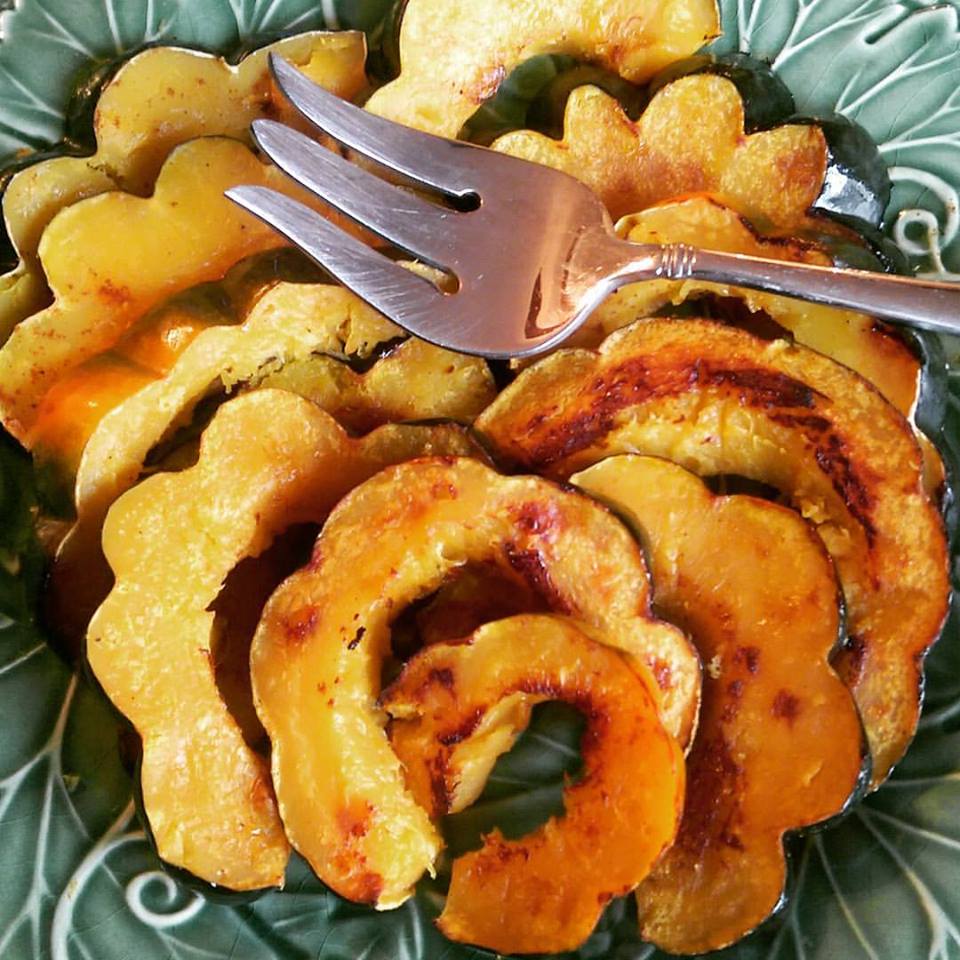
Roasted Acorn squash is easy to prepare. Simply wash the squash and slice it into one inch slices. Remove the seeds with a spoon. Place...
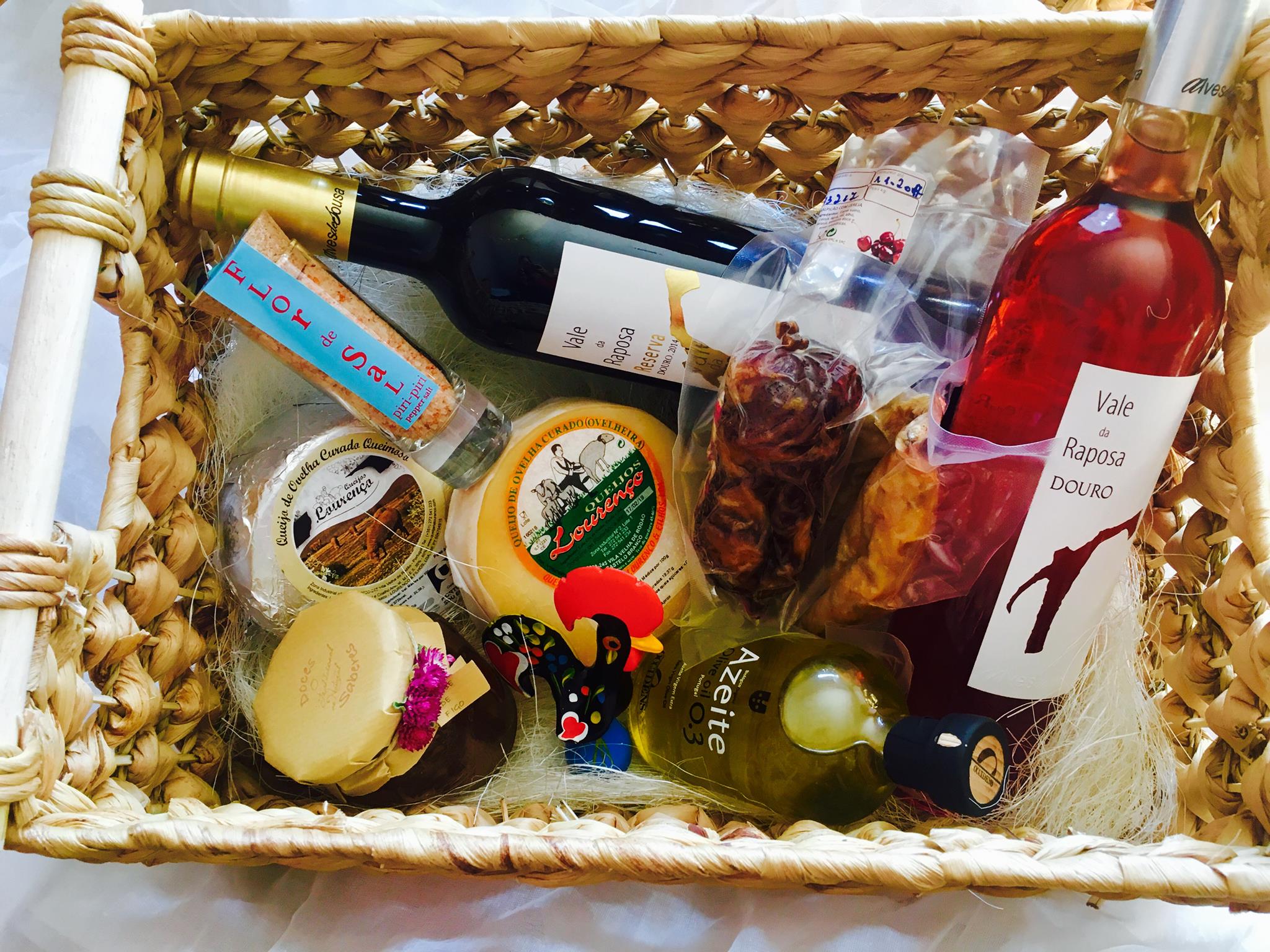
Portugal has the most protected products in Europe, identifying a variety of excellence in food products in terms of taste, authenticity and genuineness, with characteristics...
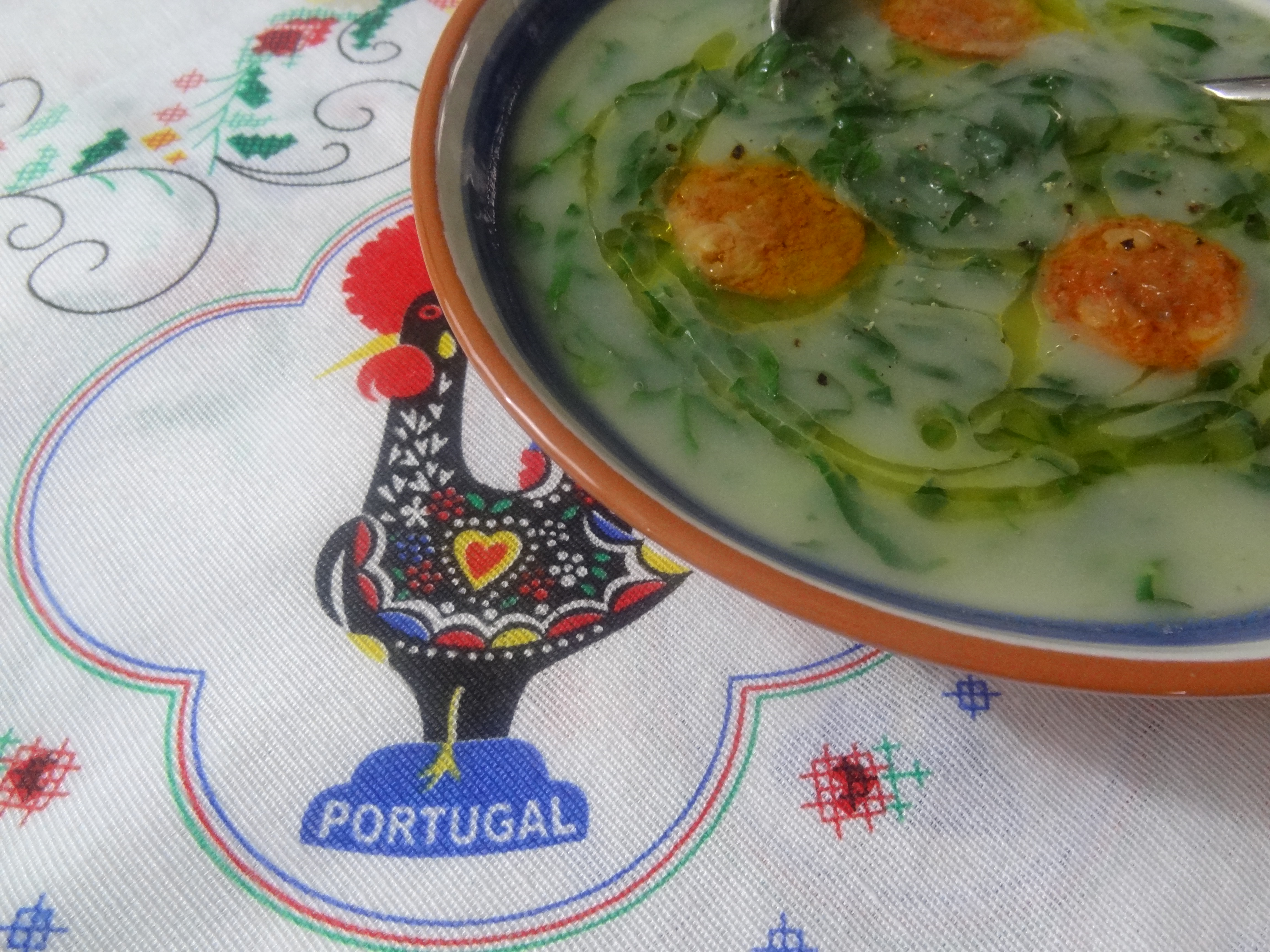
Today we’re having a culinary lesson; , “Caldo Verde” is probably the most loved and well known soup in the country of Portugal. Classic Caldo...
Nothing gets me more mad than to see a recipe with 30 ingredients that I have to go hunting for at the grocery store. It...
One bite of this chicken and you’ll taste the tangy lemony mouthwatering flavor. It’s simple to prepare and decadent enough to serve for your guests....
One bite brings me home to Portugal! Bacalhau com Grao is as classic home comfort food, one of the most popular dishes, and served in...
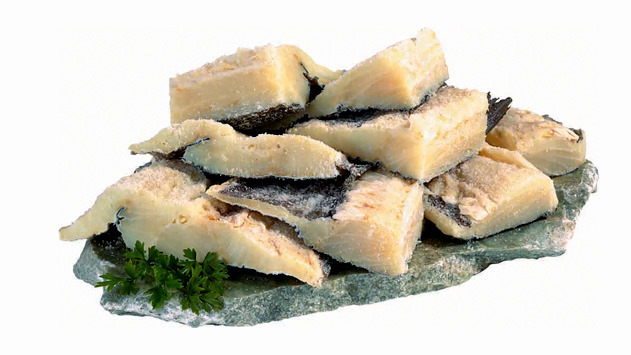
I’ve had many requests for the process of hydrating salt cod (bacalhau). It’s relatively easy to do so I’ve posted some information here for those...
Pears in Vinho do Porto dessert is elegant, yet so easy to make to impress your family or guests at your next party. Be sure...

Dig in! Maria Cookies add crunchy layers to this easy trifle recipe. Fresh bananas, strawberries, and home made whipped cream create a melt in your...
Sneak Peak into a recipe for my next Taste Portugal 101 easy recipes cookbook! This Shrimp boil was a hit at my family’s cookout! This...
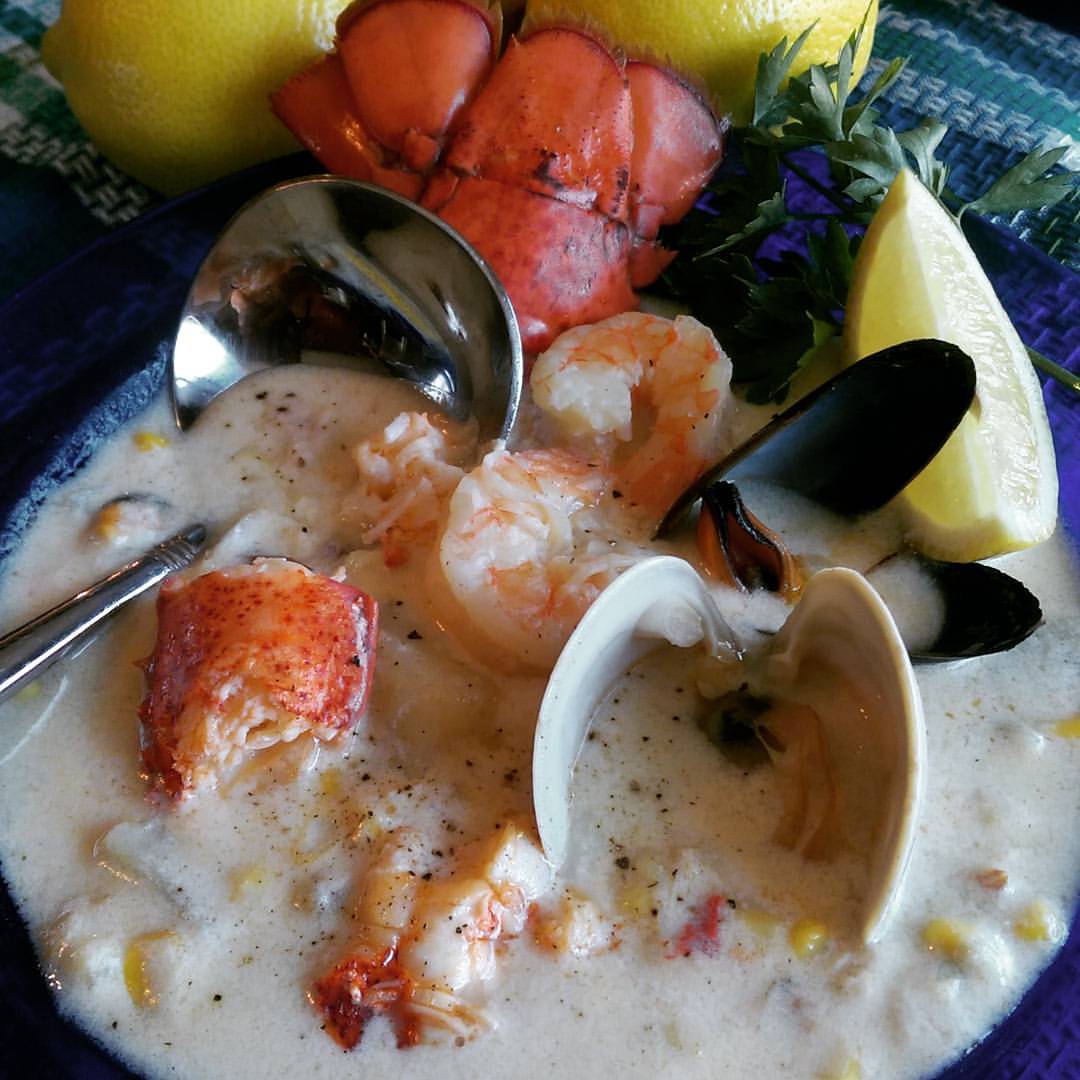
Are you drooling yet? This is my favorite soup which I make every summer after our families Father’s Day clam bake! This is a great...

The Morais family has been making wine for over a hundred years. In Portugal, the heritage of wine making has been passed down from generation...
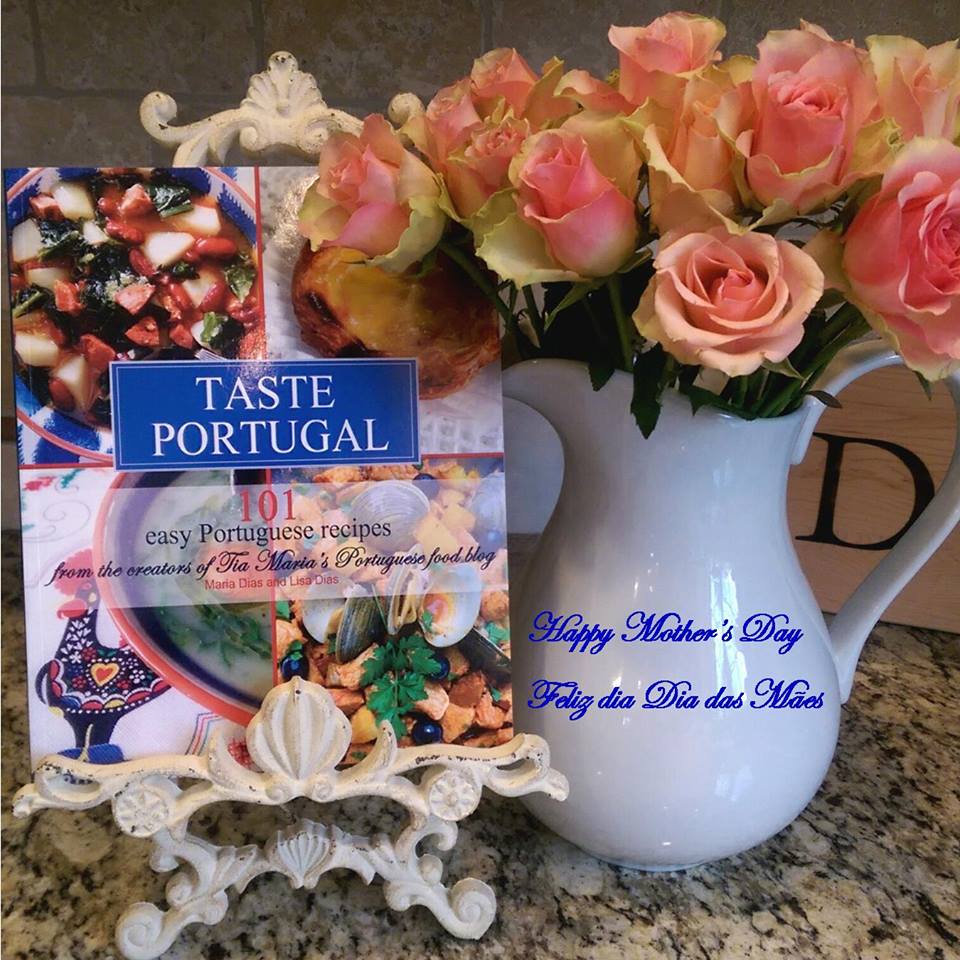
Happy Mother’s Day to all the moms! “God could not be everywhere, and therefore he made mothers” Rudyard Kipling Share memories and keep our Portuguese...

Now that planing season is here, this is a fun project for you or to make with your kids. It make the imagination go wild...

Delicious sliders with a kick of ground chourico Portuguese sausage. I used to call them Sloppy Maria’s but I changed the name to Sloppy Ronaldo...

This is such an elegant dessert for your next celebration. Flan is very easy to make despite it’s appearance and these two variations on the...
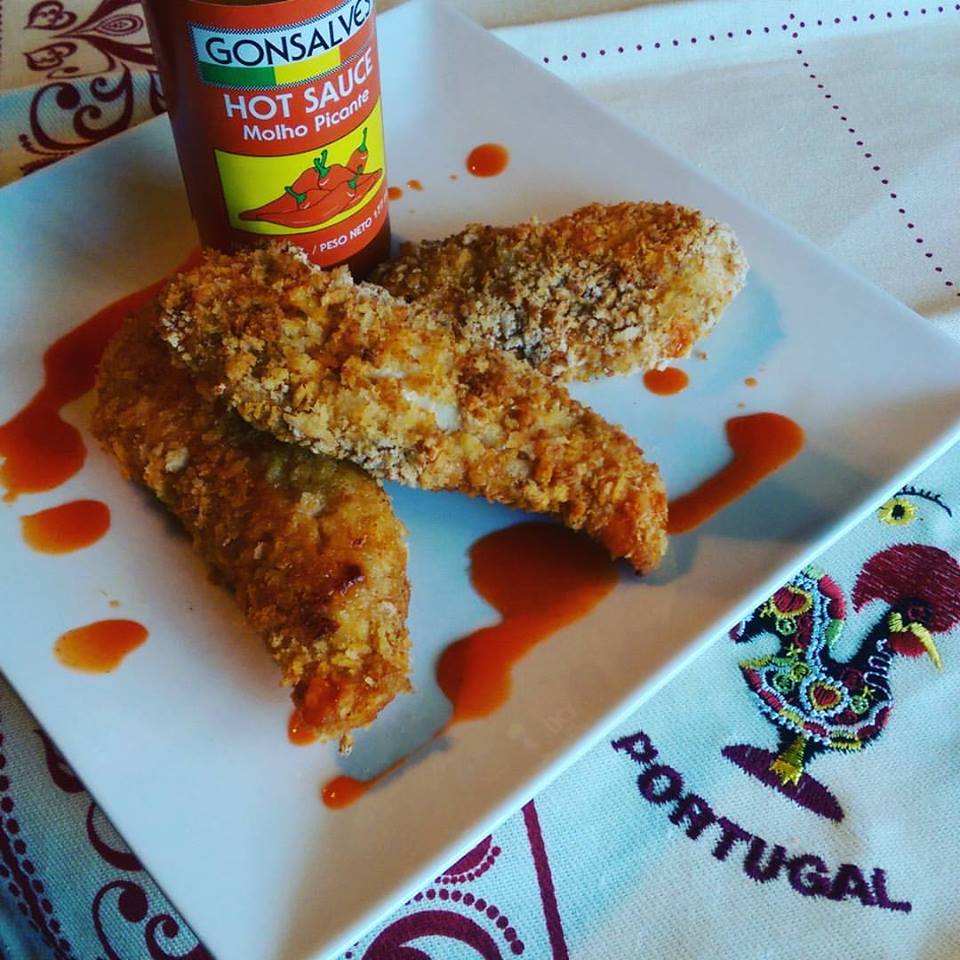
These little treats have great flavor and a burst of spice from Piri Piri Hot Sauce! I make these so often that I could do...
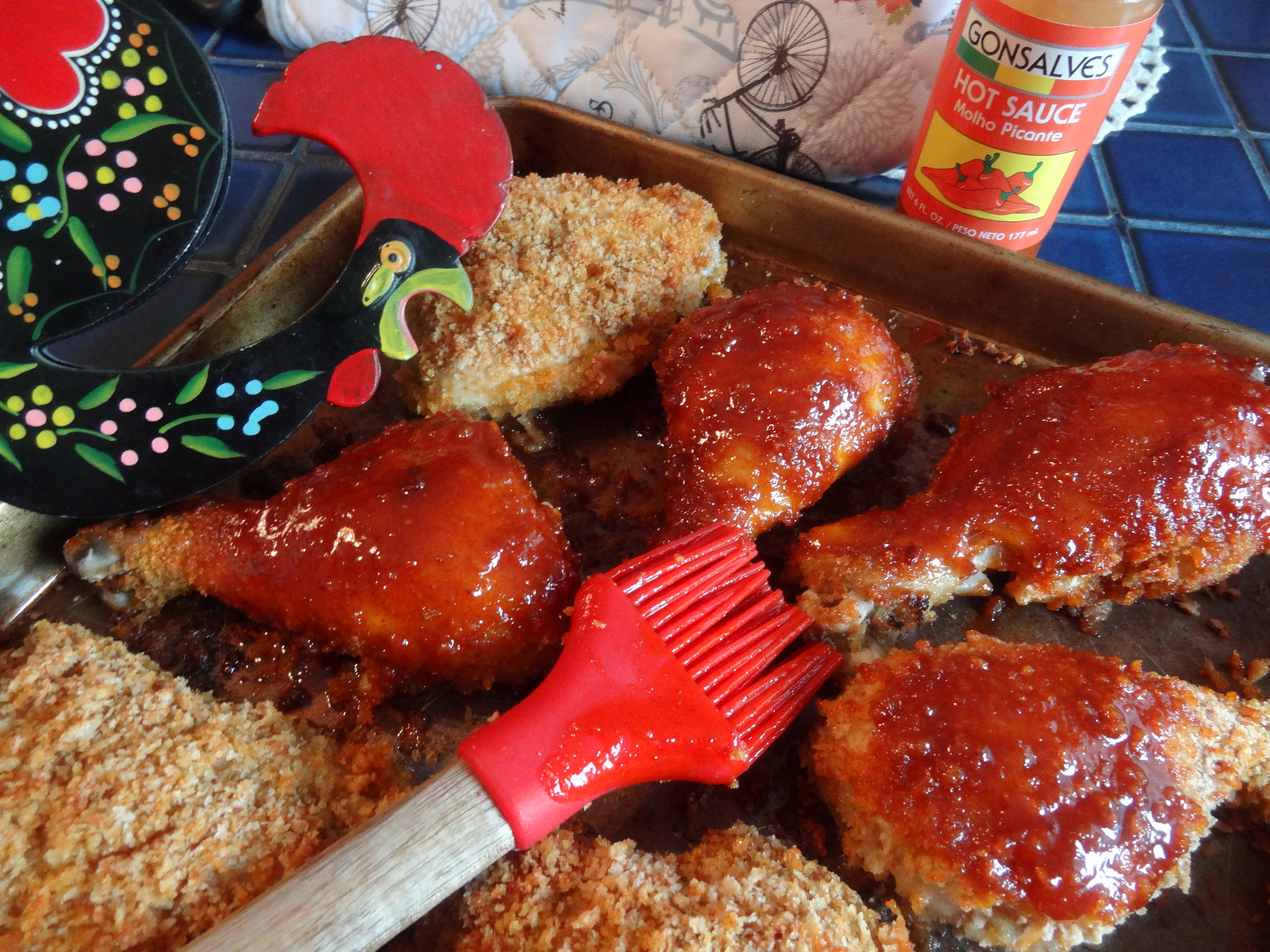
Gallo Spicy Oven Fried Chicken I never make fried chicken because I try to avoid the grease in my diet, so I bake it in...
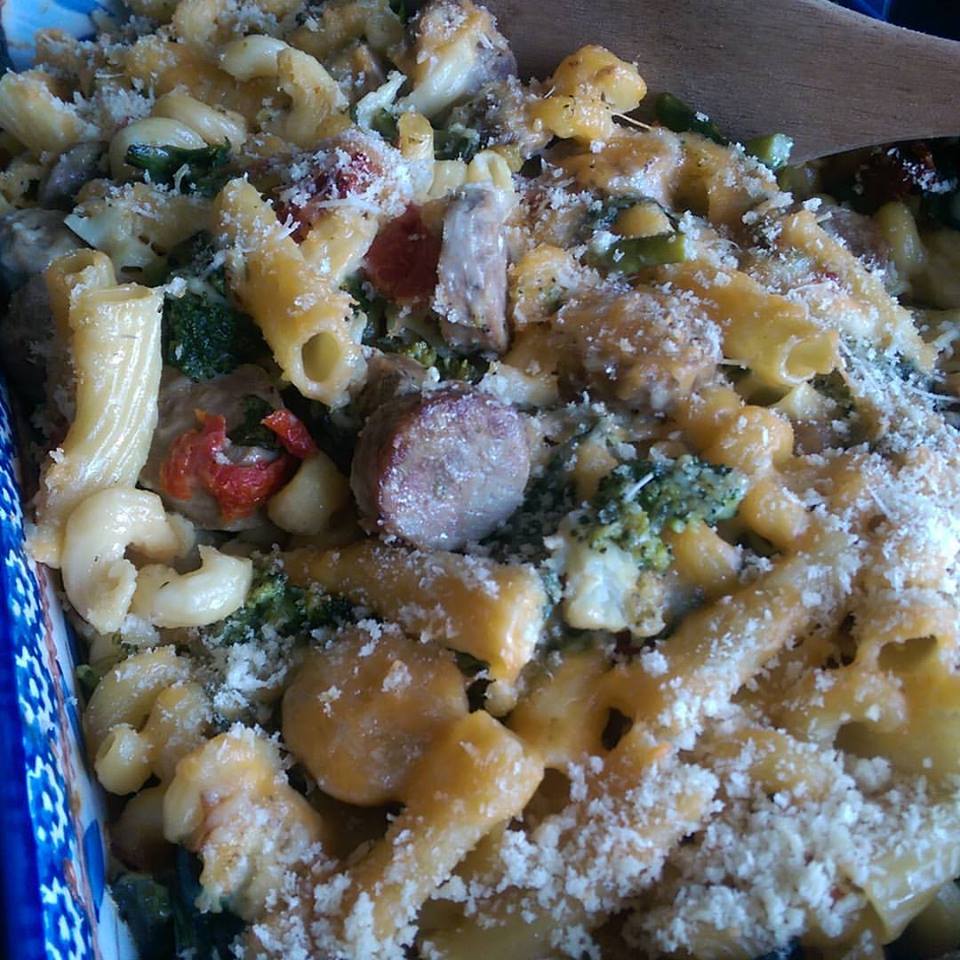
This pasta bake is great for an easy everyday meal and perfect to bring for a pot luck party. Prepare it ahead of time...
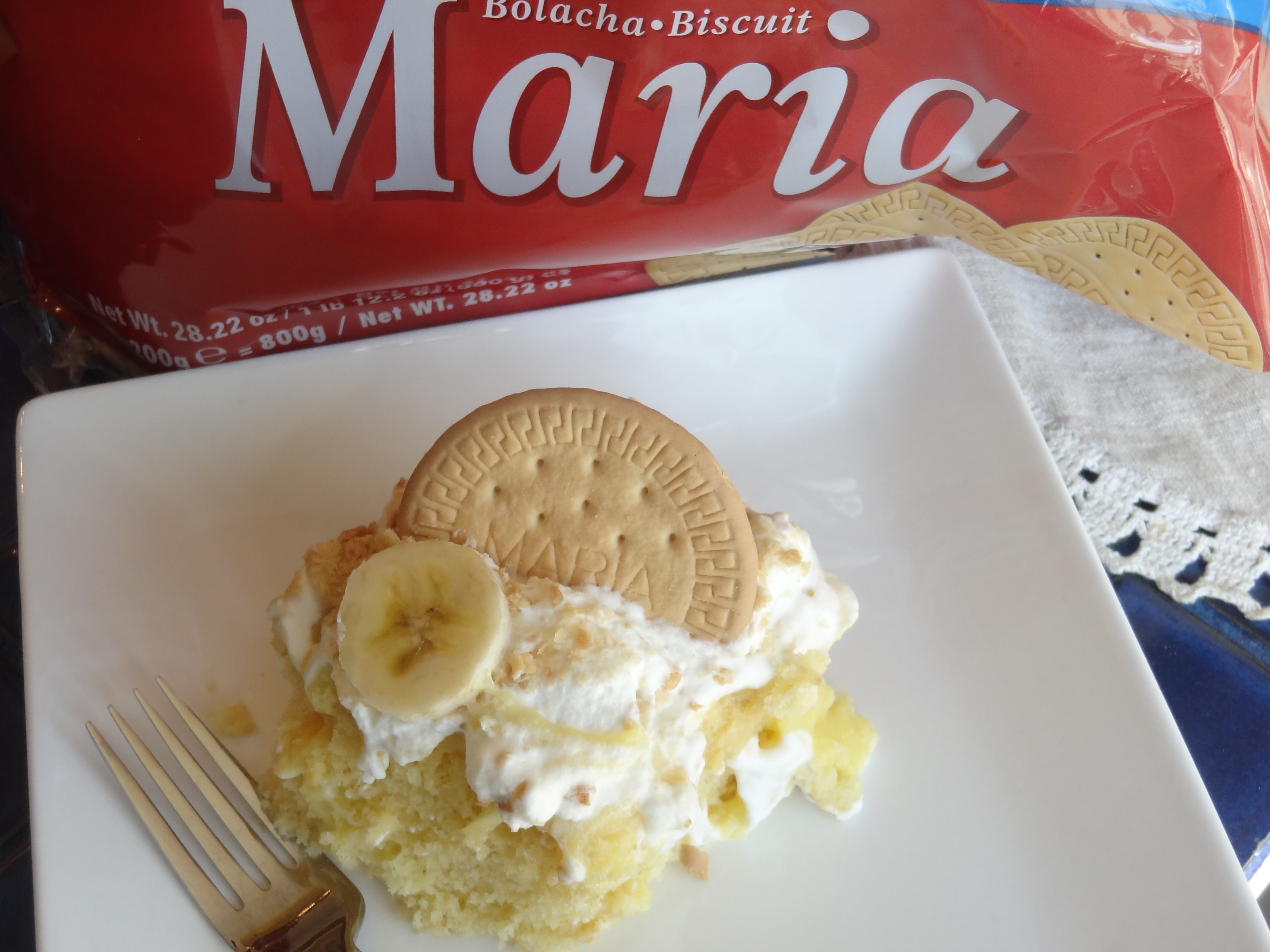
For banana lovers! This cake recipe tastes just like banana cream pie with and added fluffy and moist cake layer. Perfect for party, pot luck...

David Leite, is an author, food writer and blog publisher. His first Portuguese cookbook, THE NEW PORTUGUESE TABLE, won the 2010 IACP Julia Child...
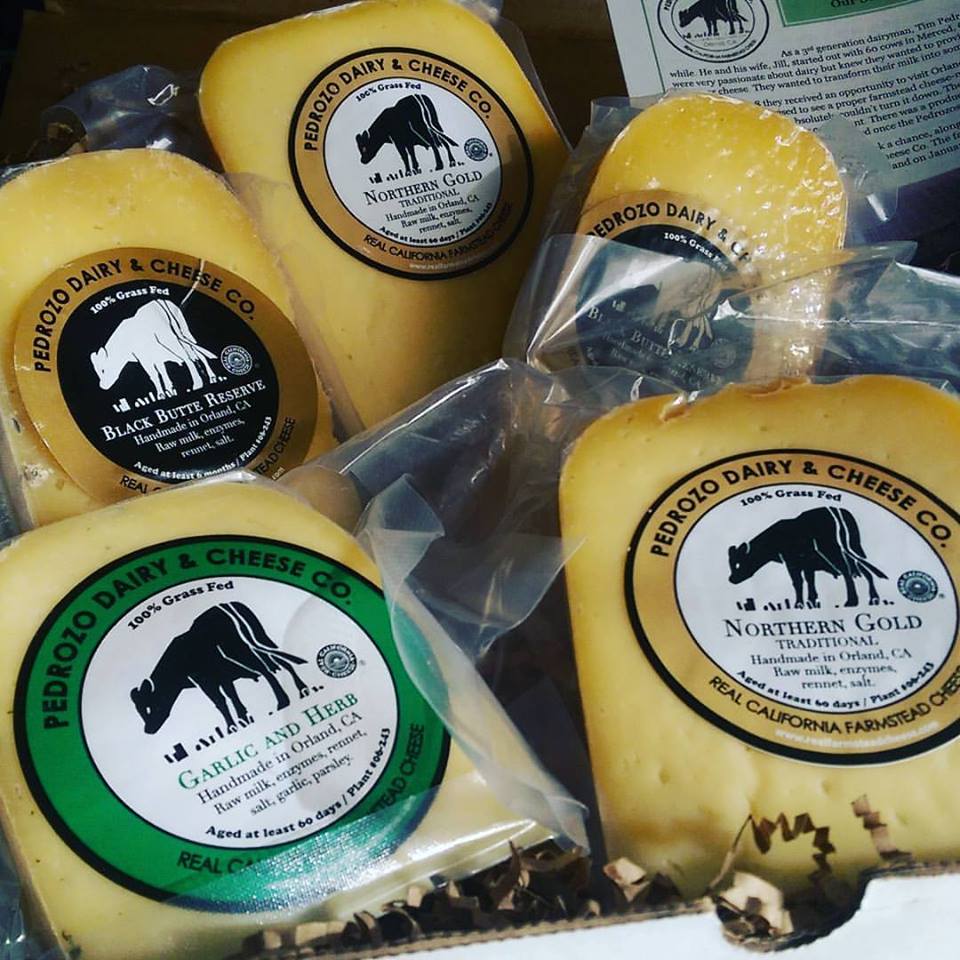
The Portuguese Community in the USA is embedded on both the East and West coastlines. One of the many examples is the Pedrozo family, a...
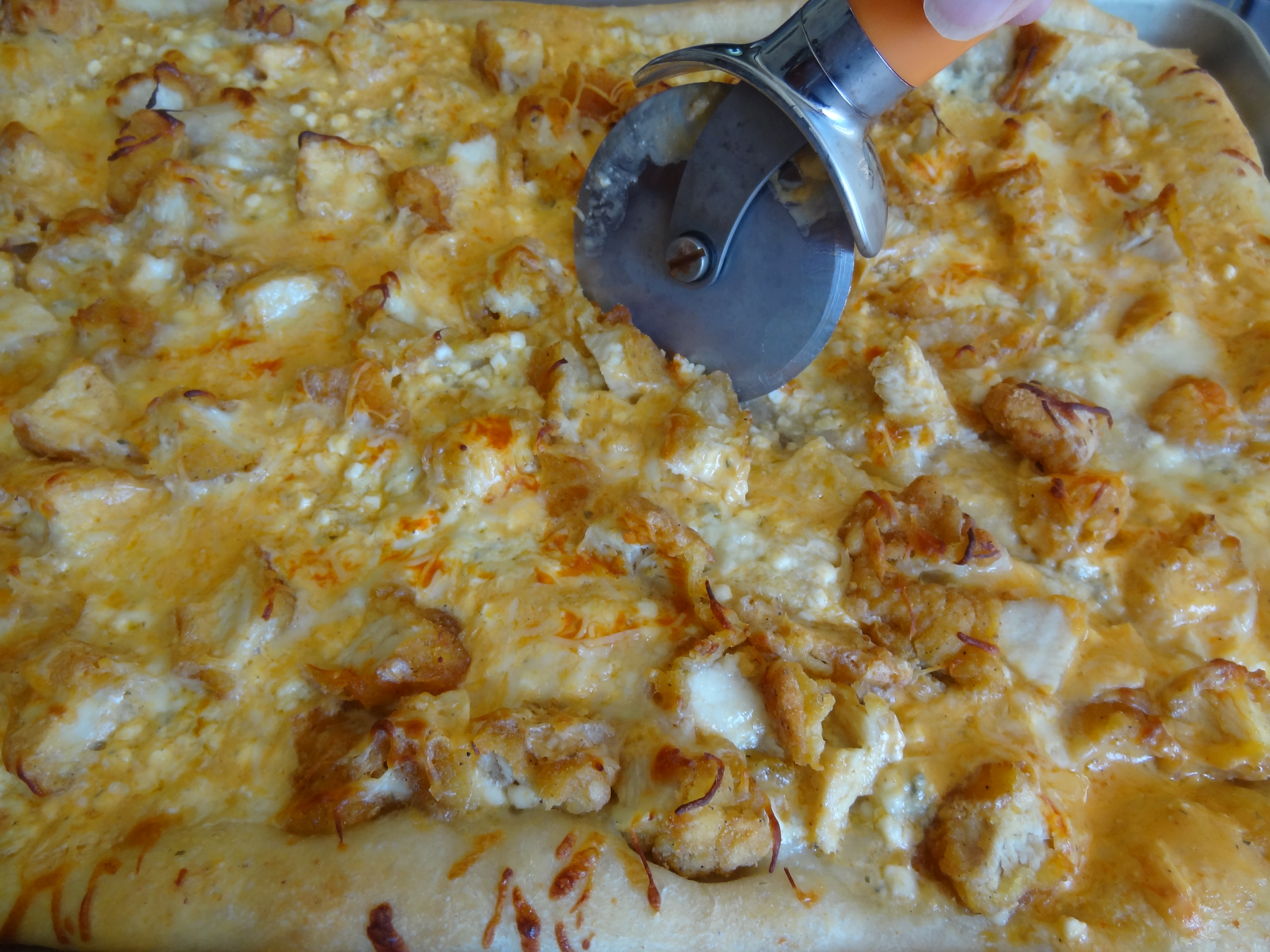
My husband Augie loves, Pizza, football and Piri Piri hot sauce! For this year’s Super Bowl, I’m making him his favorite buffalo style pizza. I...

Are you drooling yet? My family went crazy when I made this bread and it disappeared the same day! I barely had a chance to...
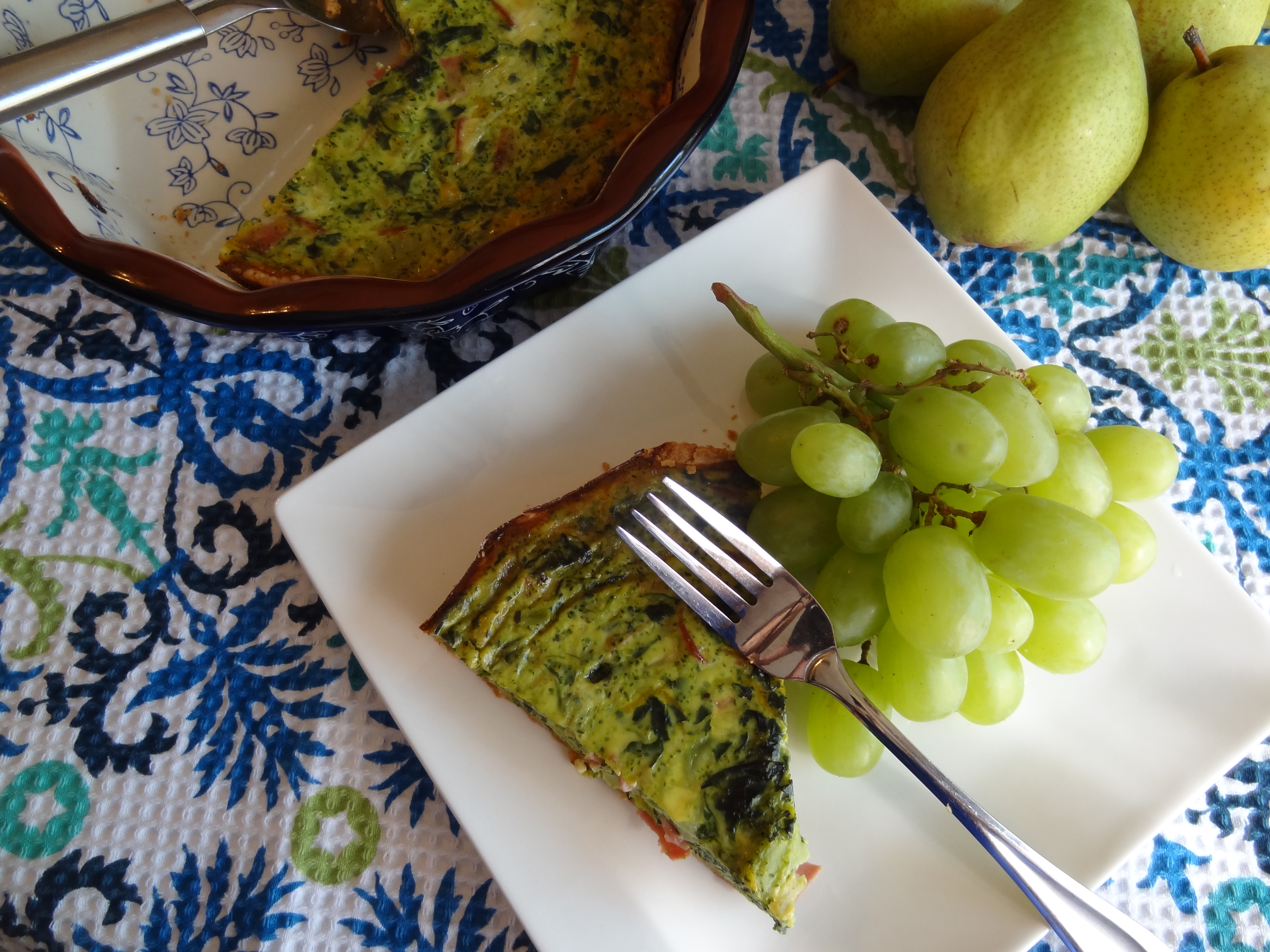
This Spinach Broccoli and Presunto (prociutto) Quiche is savory and mouthwatering. Easy to prepare for a simple lunch, snack or dinner! You can leave out...
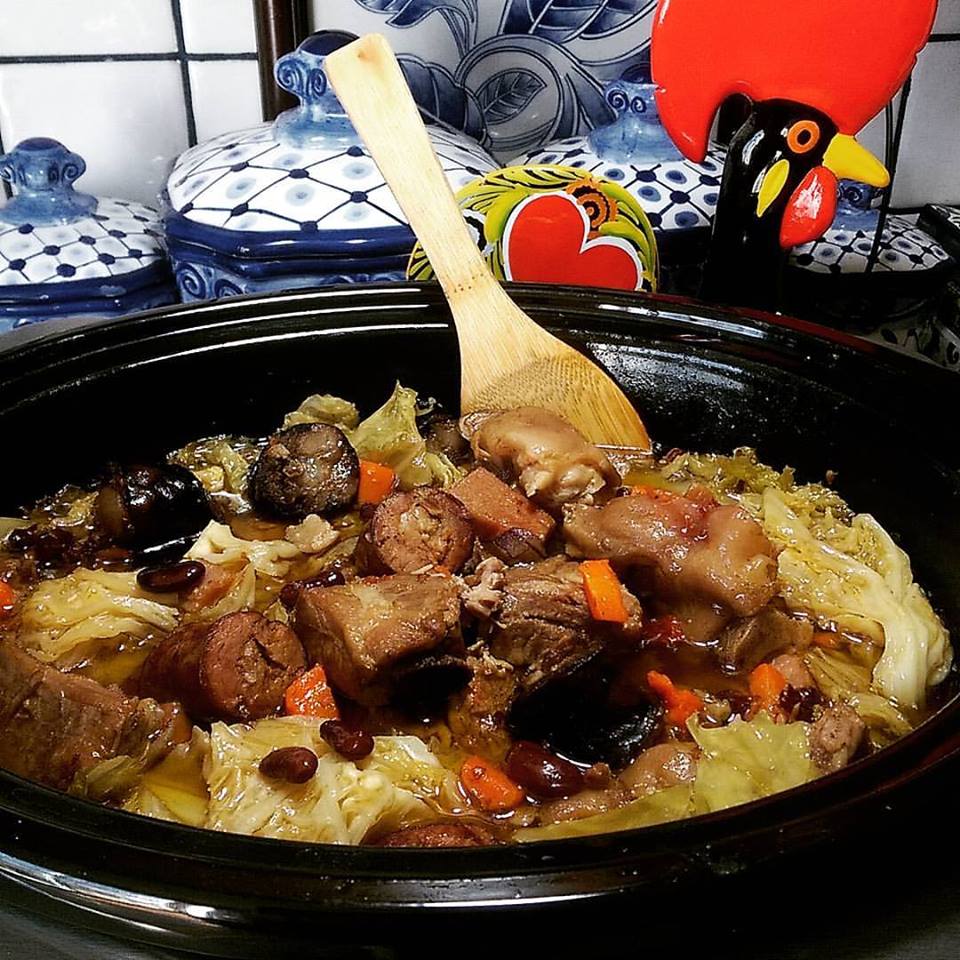
Feijoada originated around the 14th century in the Northern region of Portugal. Generally, Feijoada is made with white beans but in the Tras os Montes...

Click here to watch full video: Source: Notícias do Meu País – Episódio 9 – RTP Play – RTP Hi everyone. Here is the full...

This old antique trunk was dark brown, faded and worn out from over 100 years of travel. It belonged to my Tia Isabel (Aunt Isabel)...
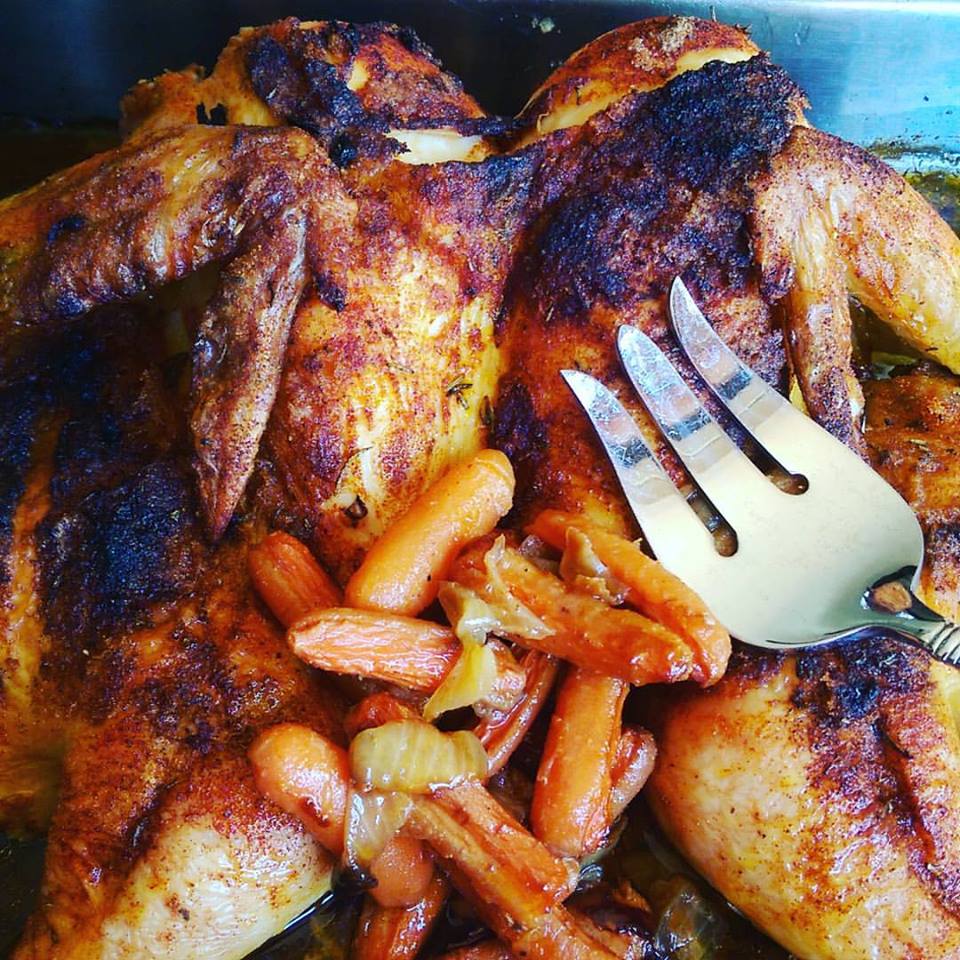
Pure Portuguese comfort food! Look at that color! Bring a taste of Portugal into kitchen table with one of the most popular dishes in Portuguese...
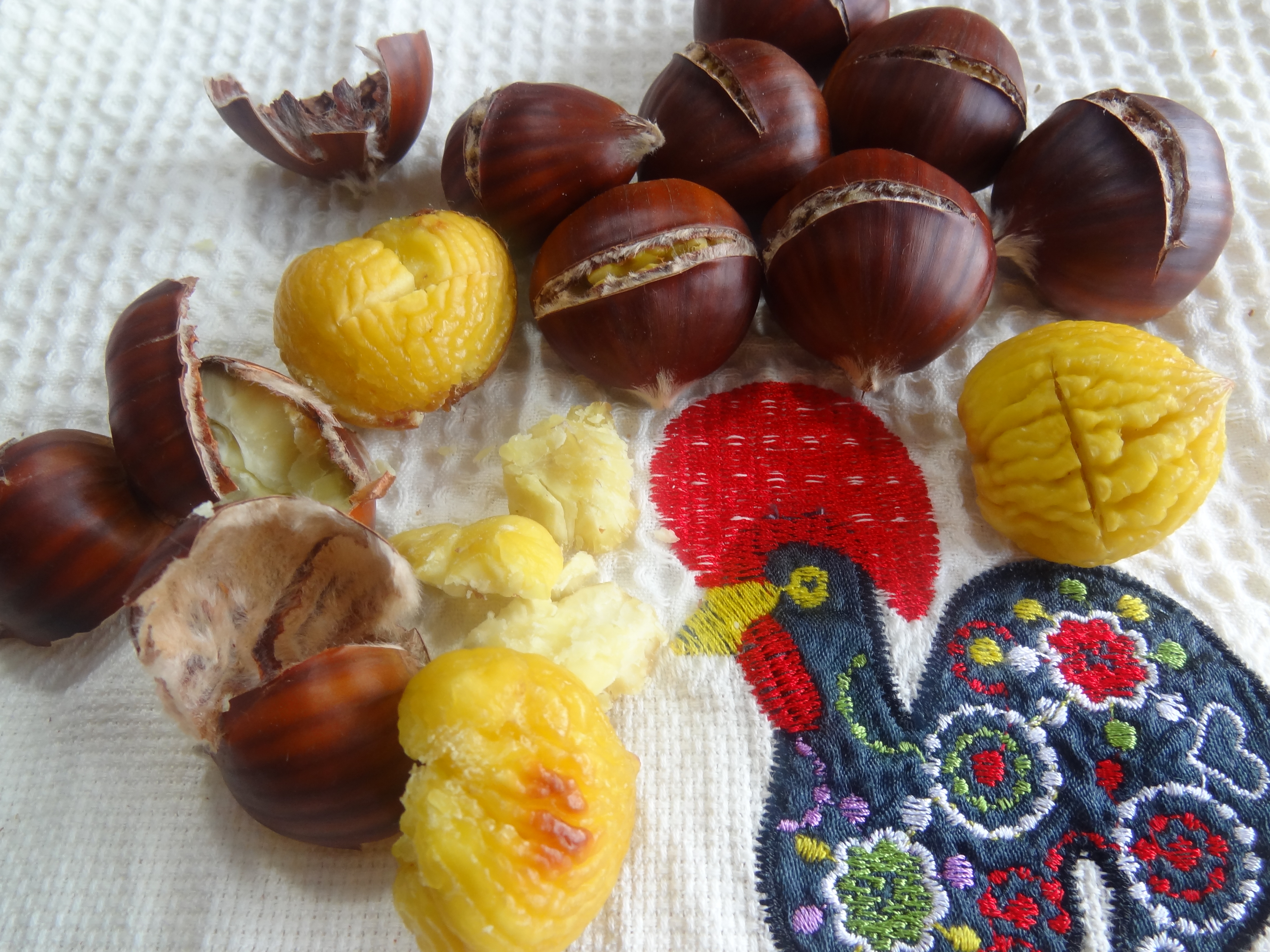
How to roast chestnuts: 1. Using sharp knife, make an incision about 1/8-inch deep through the top of chestnut. 2. After slitting place the...
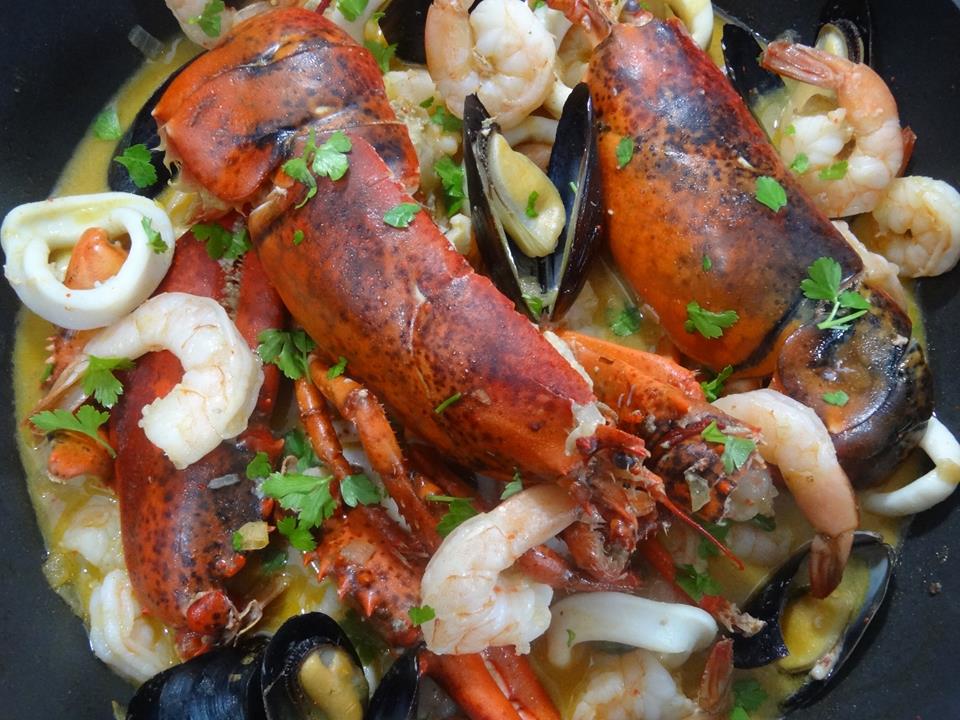
Mariscada This is my family’s favorite seafood dish which I learned from a Portuguese chef many years ago. I make it for Christmas Eve dinner...
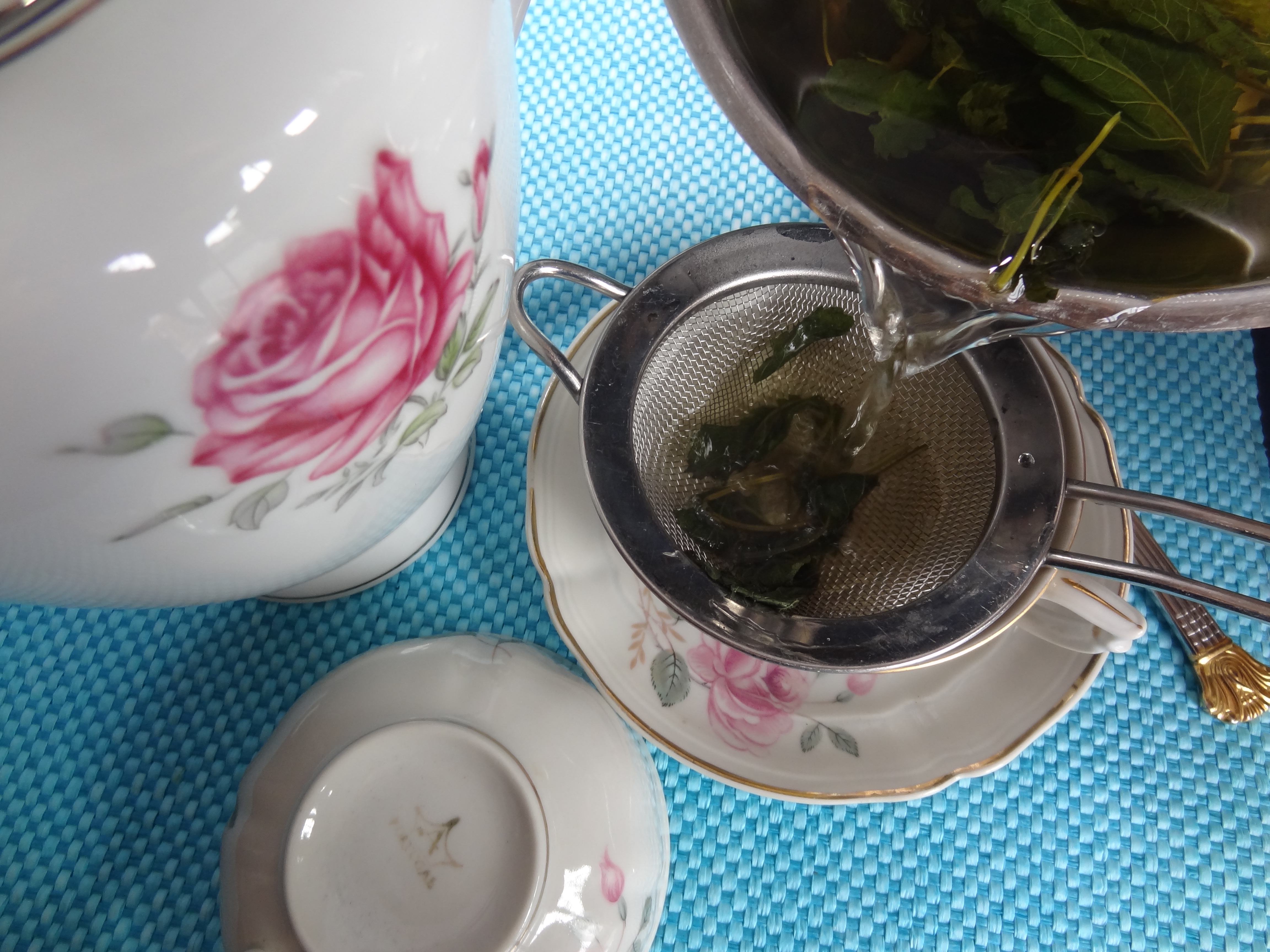
I also dry my mint and make mint tea. I enjoy mixing both cidreira and mint for wonderful mix of flavor. Follow the same instructions...
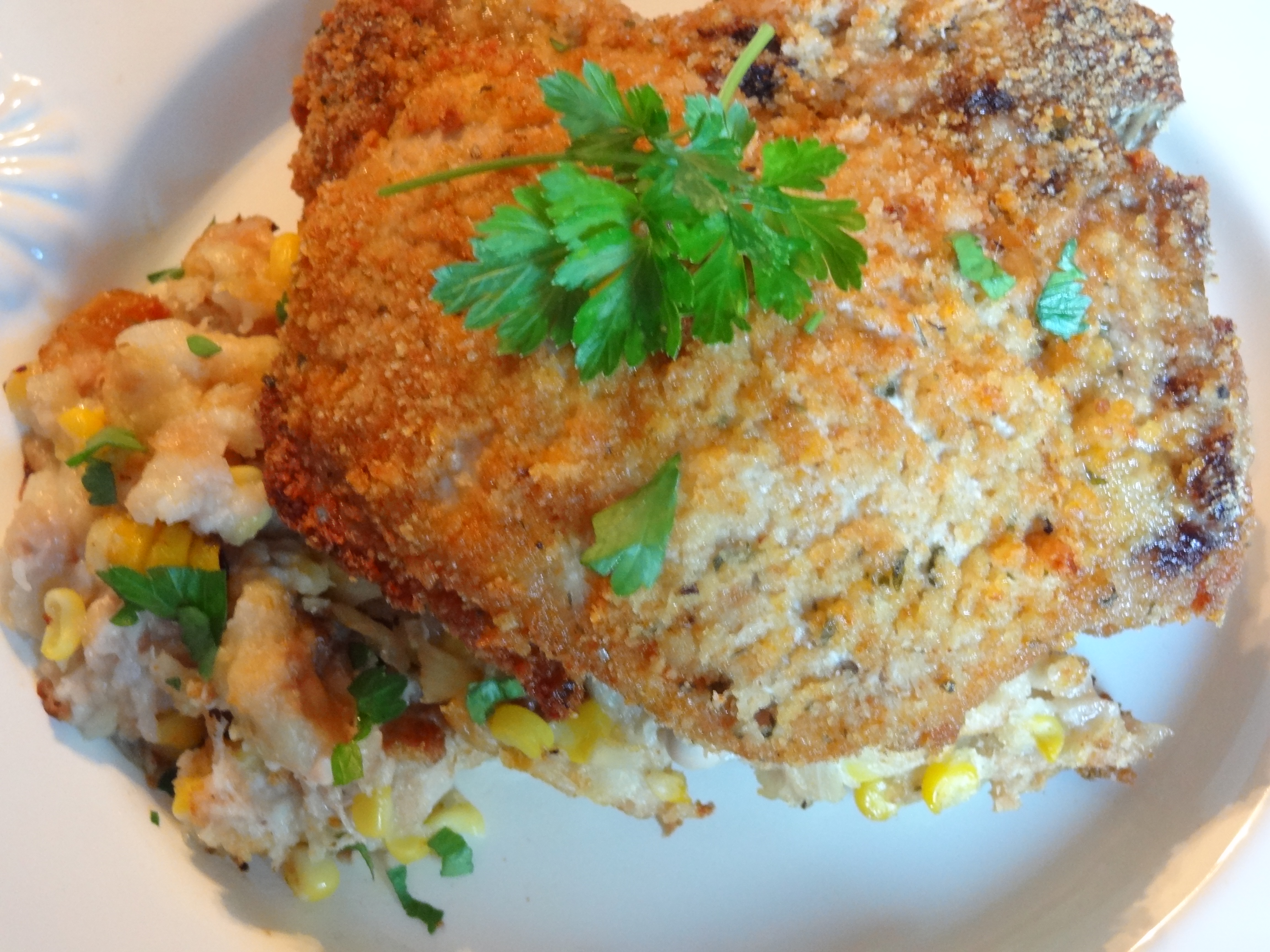
I never through out my day old Papo Secos (Portuguese rolls) because they are perfect for making stuffing like this one for these delicious baked...
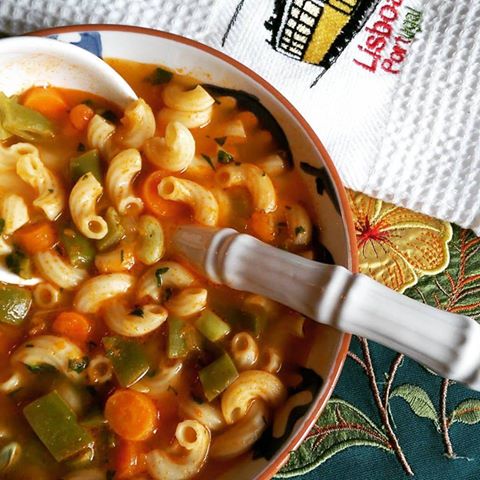
The cool weather is here. Let the soup cooking start. This soup is a bowl of healthy eating. Just serve with some crusty bread and...
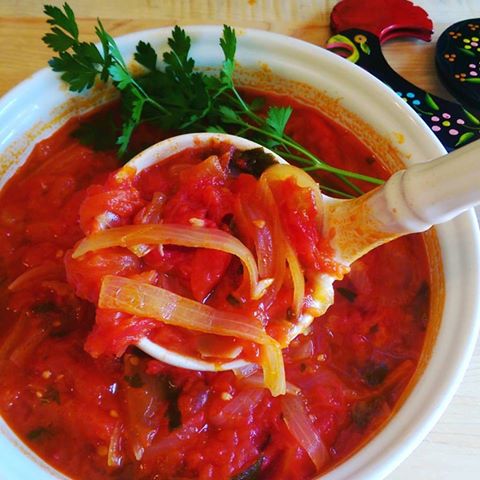
This Cebolada (Onion Sauce) is great to put on steak, pork chops or as a base for baking fish. I like to make large batch...
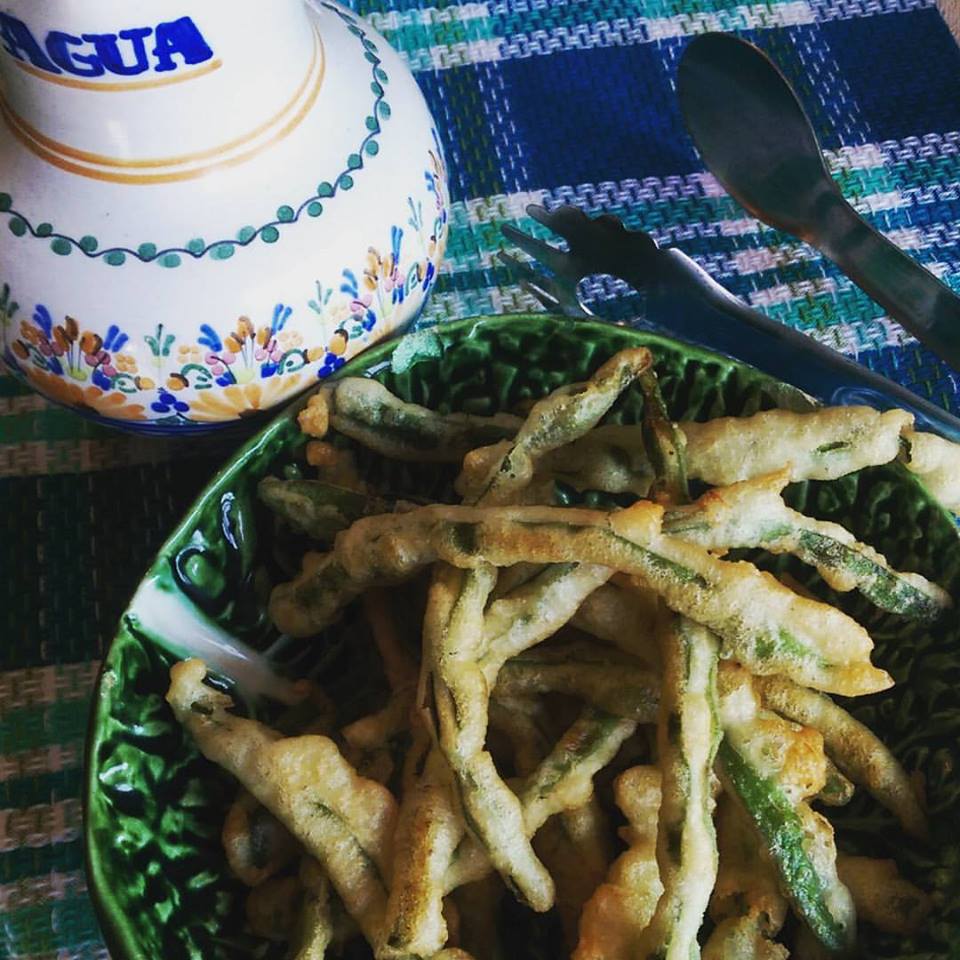
Did you know that the cooking method used in Japanese cooking “tempura” was taught to the Japanese by the Portuguese Explorers? So the next...
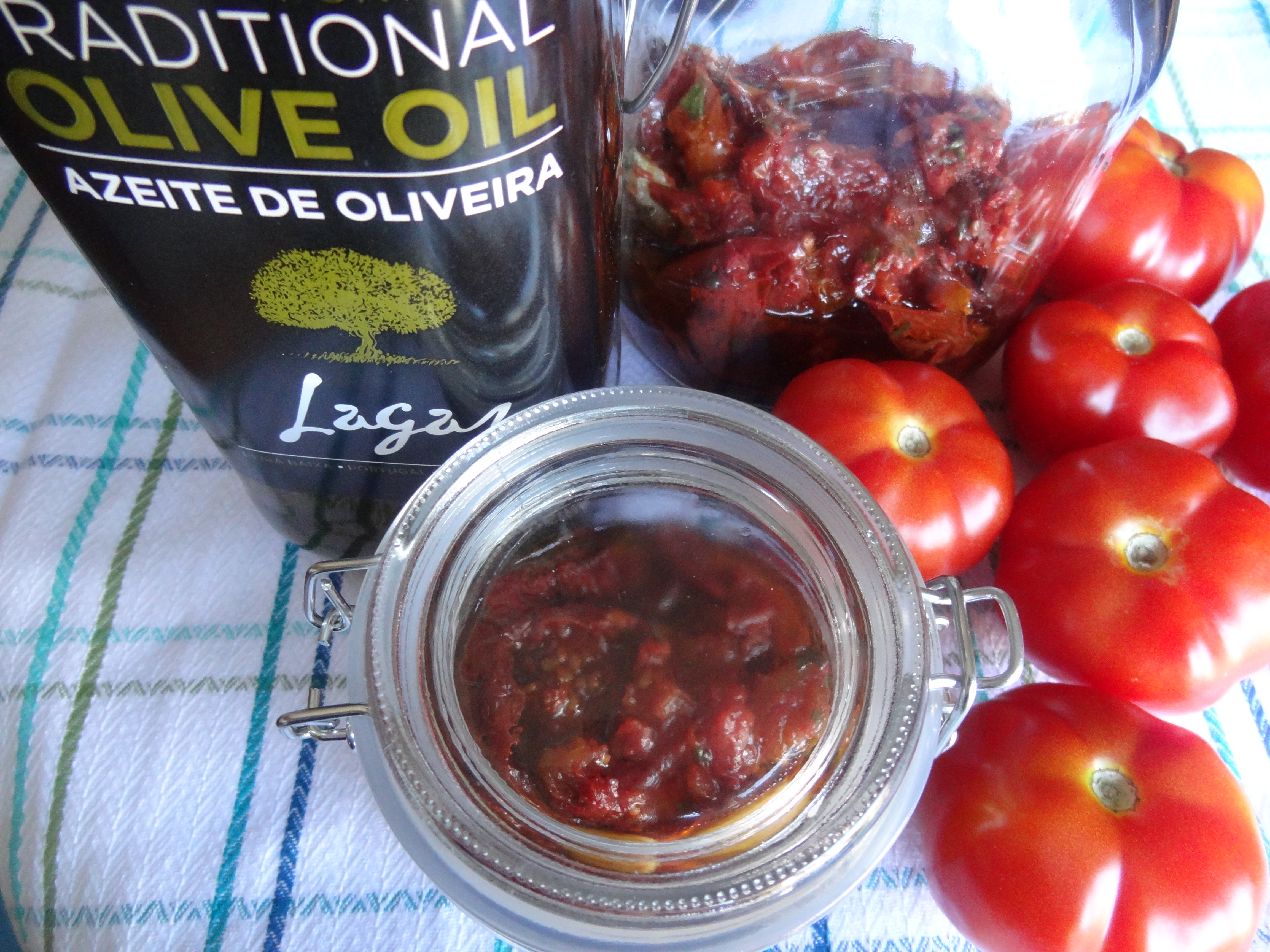
I had a very bountiful tomato harvest this year so I had to use the tomatoes in many different recipes. These sun dried tomatoes came...
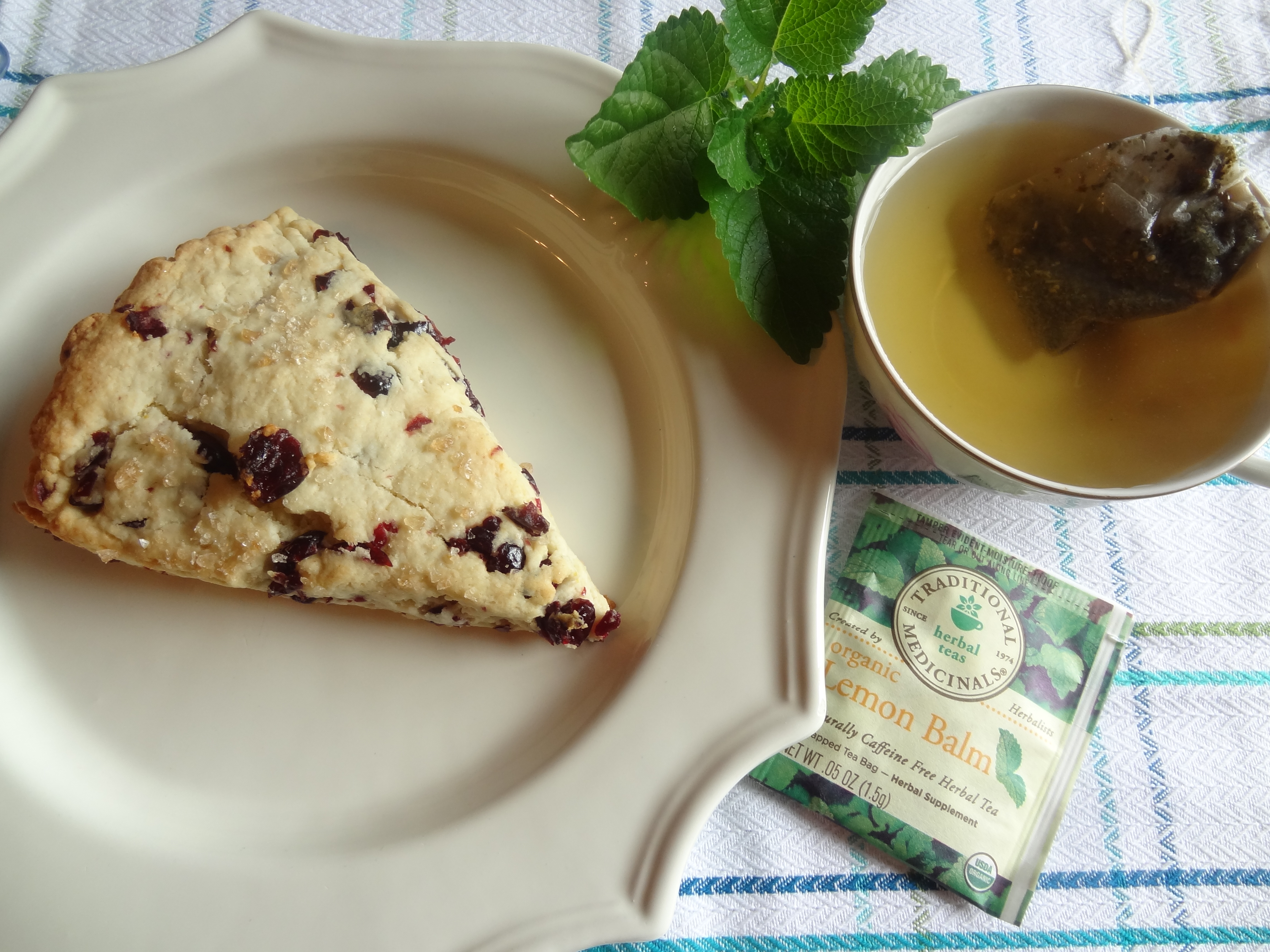
Invite your friends over for these Cranberry Lemon Scones and enjoy the company! They’re a perfect breakfast or anytime treat. I served mine with Lemon...
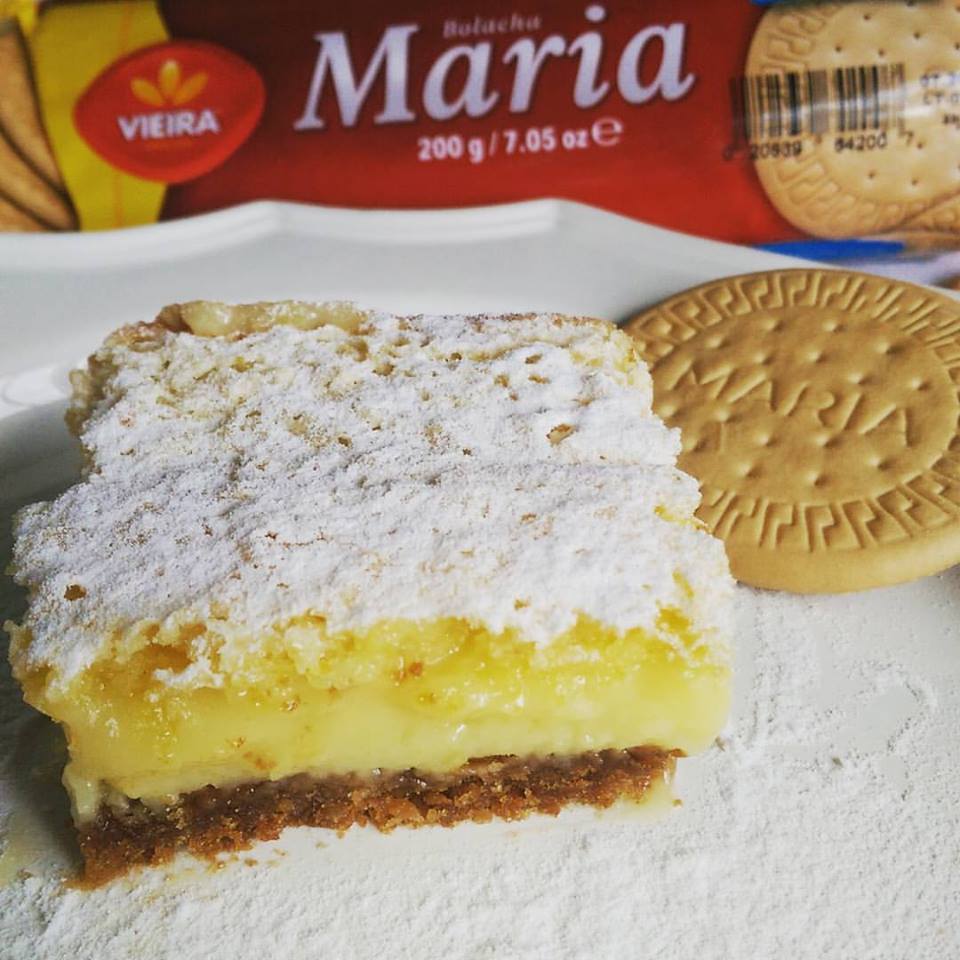
What an light and easy dessert for summer! I know most of you probably have the needed ingredients right in your kitchen pantry so go...
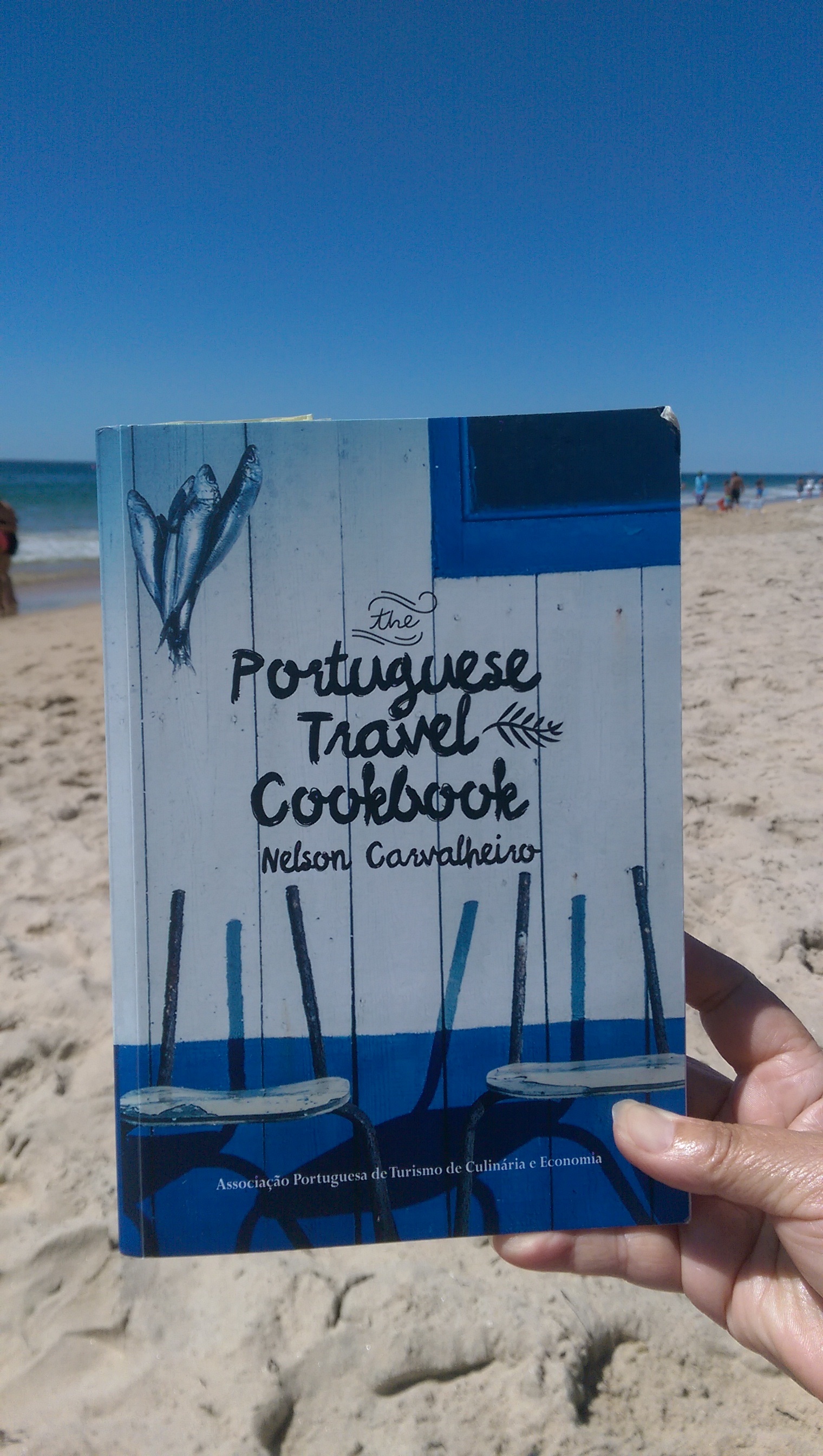
If you long to visit Portugal, taste the foods, learn some history, learn about the cuisine, and mingle with the locals, I suggest you pick...

You’ll love these egg rolls because they’re lite and easy to prepare. You can enjoy them any day of the week and no take out...

Hot Lobster Rolls I only have 3 words to say; Yum! Yum! Yum! Makes 2-3 lobster rolls Meat from 1 cooked lobster 1/2 stick...

Taste Portugal cookbook was 1 of 5 cookbooks featured in an article; 5 Droolworthy Books About Portuguese Food And Recipes, a popular Portuguese travel blog...
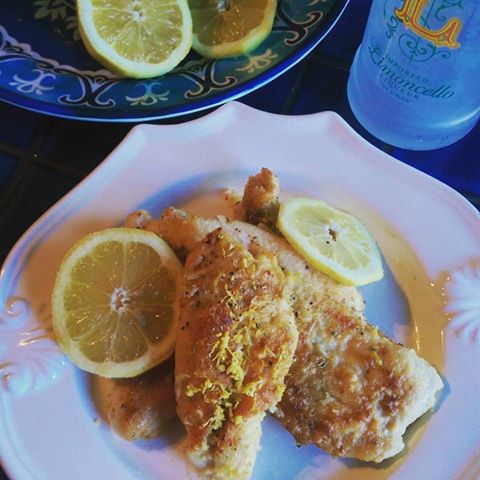
You will love this lemony flavored chicken! The recipe is simple to make and takes very little time to prepare. I served the chicken with...
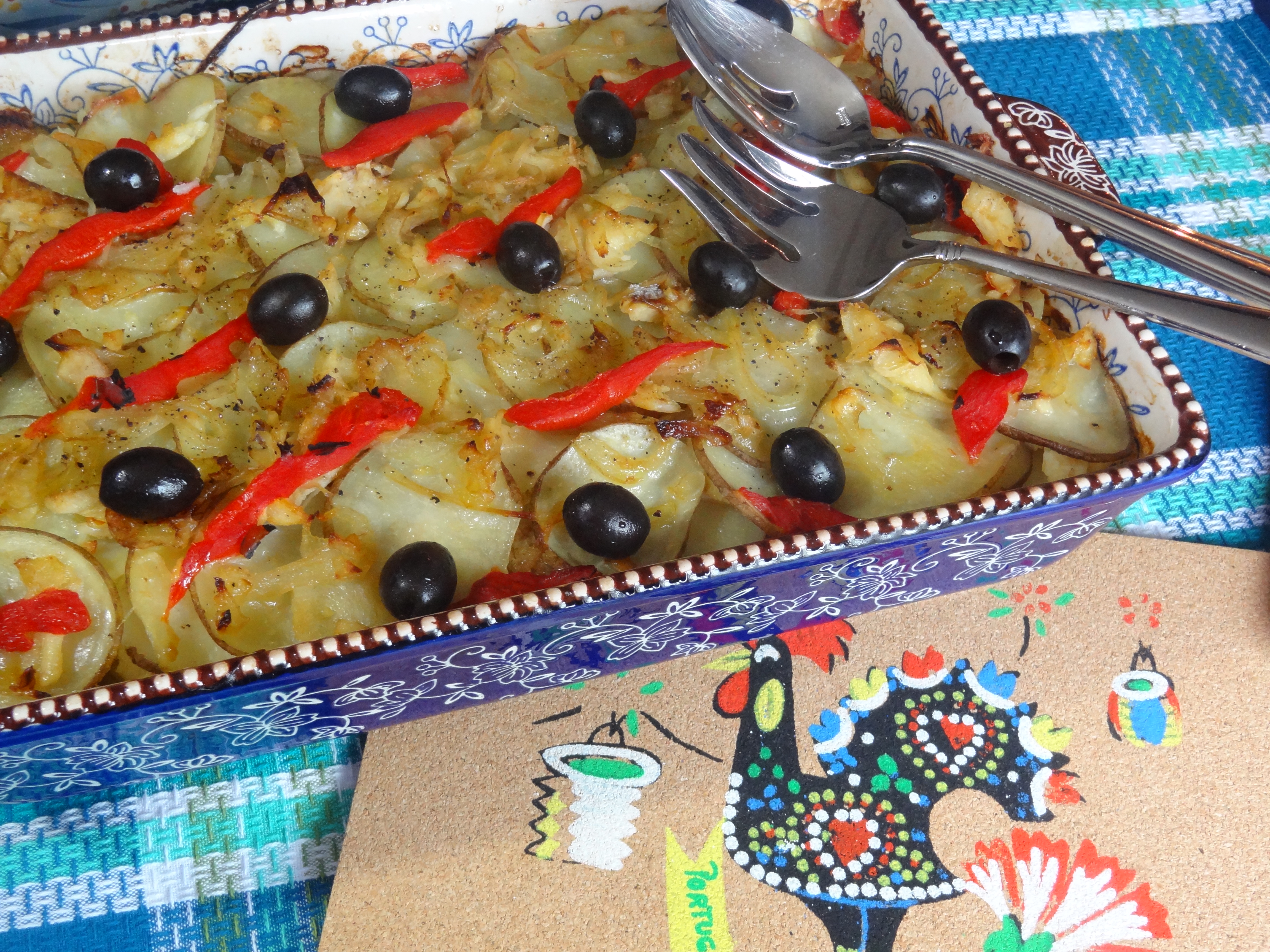
My family loves bacalhau so I’m always trying new recipes. This week I gave the classic “Bacalhau a Gomes de Sa” a makeover by making...
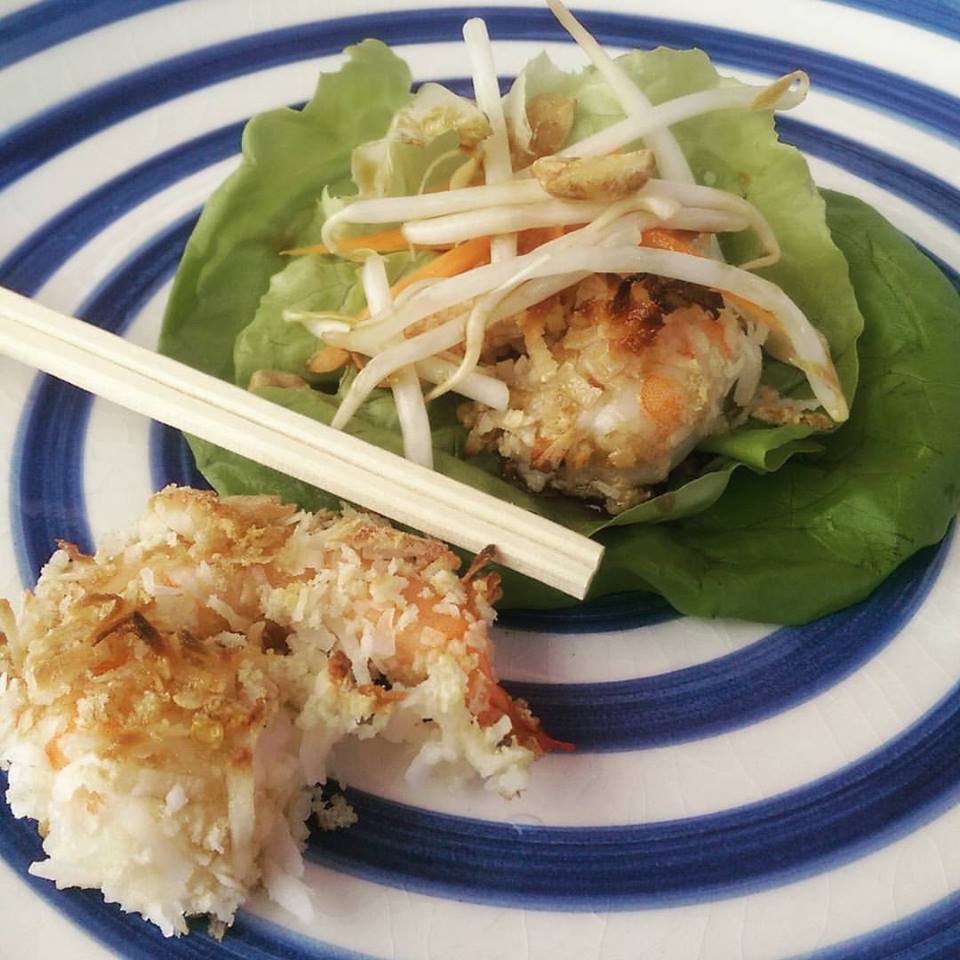
These lettuce wraps are easy to make since all you have to do is prepare the shrimp and then assemble then assemble. The Asian dipping...
Happy Mother’s Day to all the moms! “God could not be everywhere, and therefore he made mothers” Rudyard Kipling Share memories and keep our Portuguese...

These cinnamon rolls are easy to make and perfect for your morning coffee. When I bake breads or pastries that require risen dough, I try...
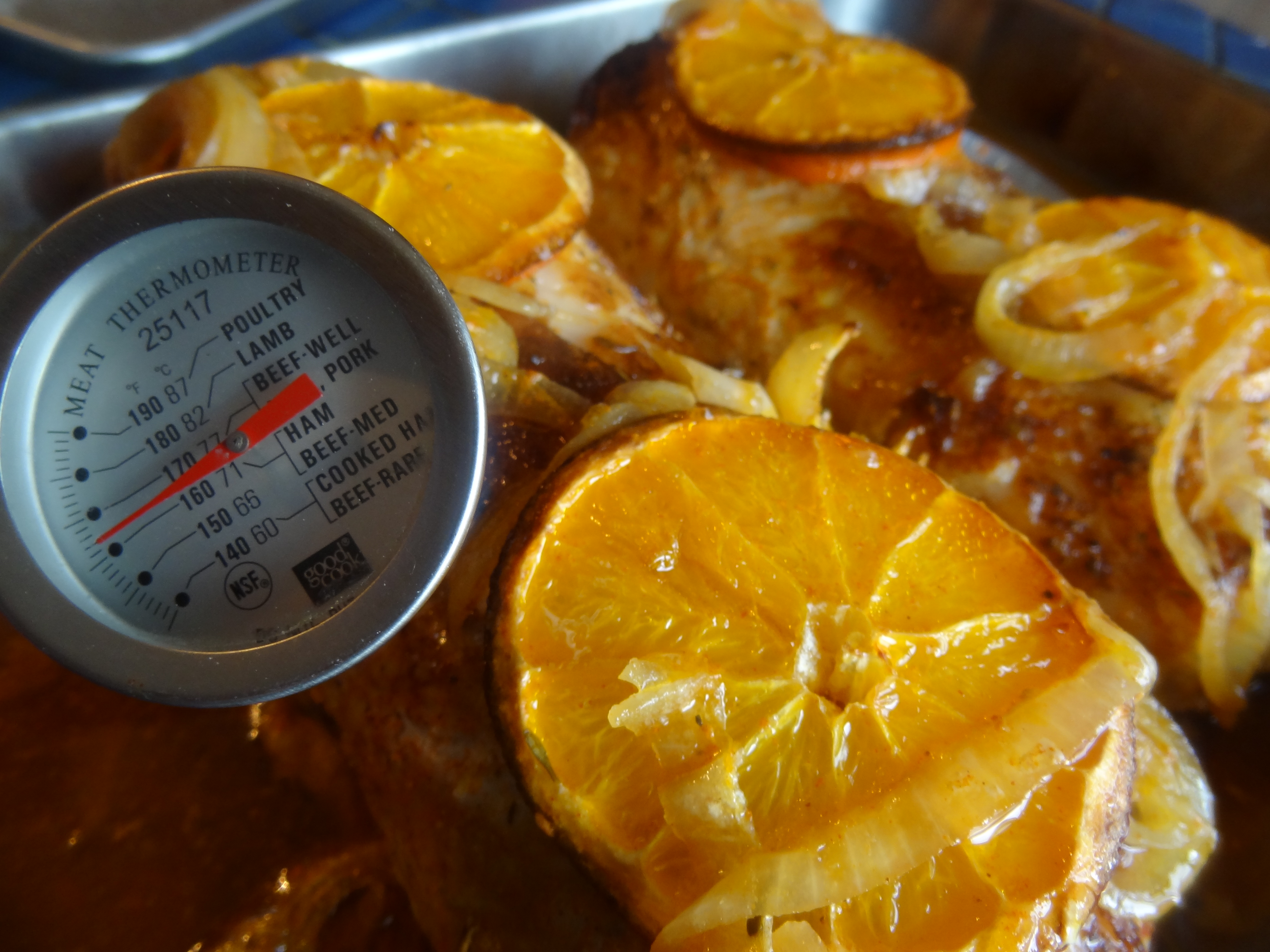
I made this pork for my husband’s birthday and it was a hit with the whole family! It came out perfectly with a beautiful golden...
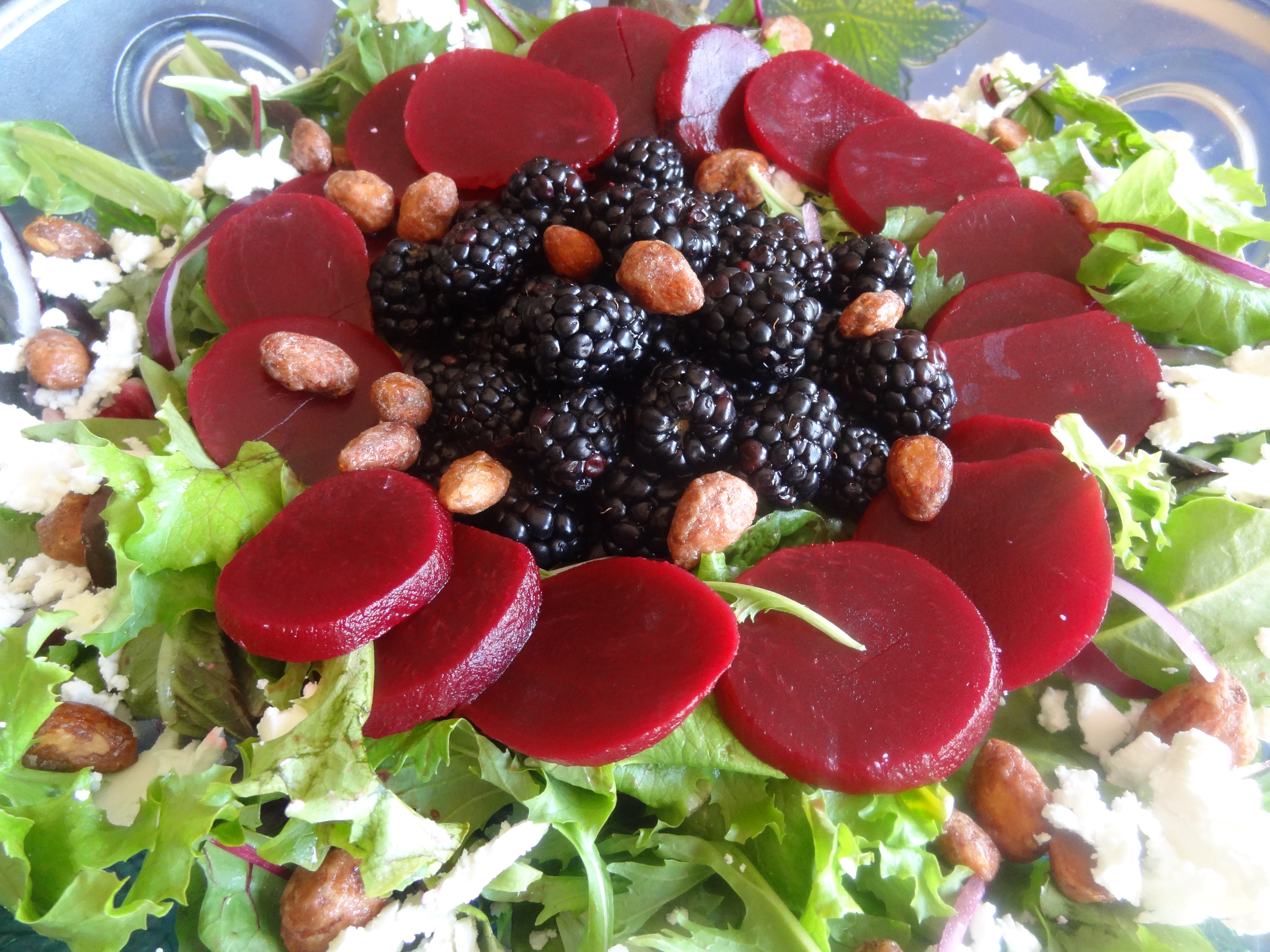
I made this salad last week and it was absolutely amazing! The sweet berries mixed with the tangy beets go great together and the almonds...
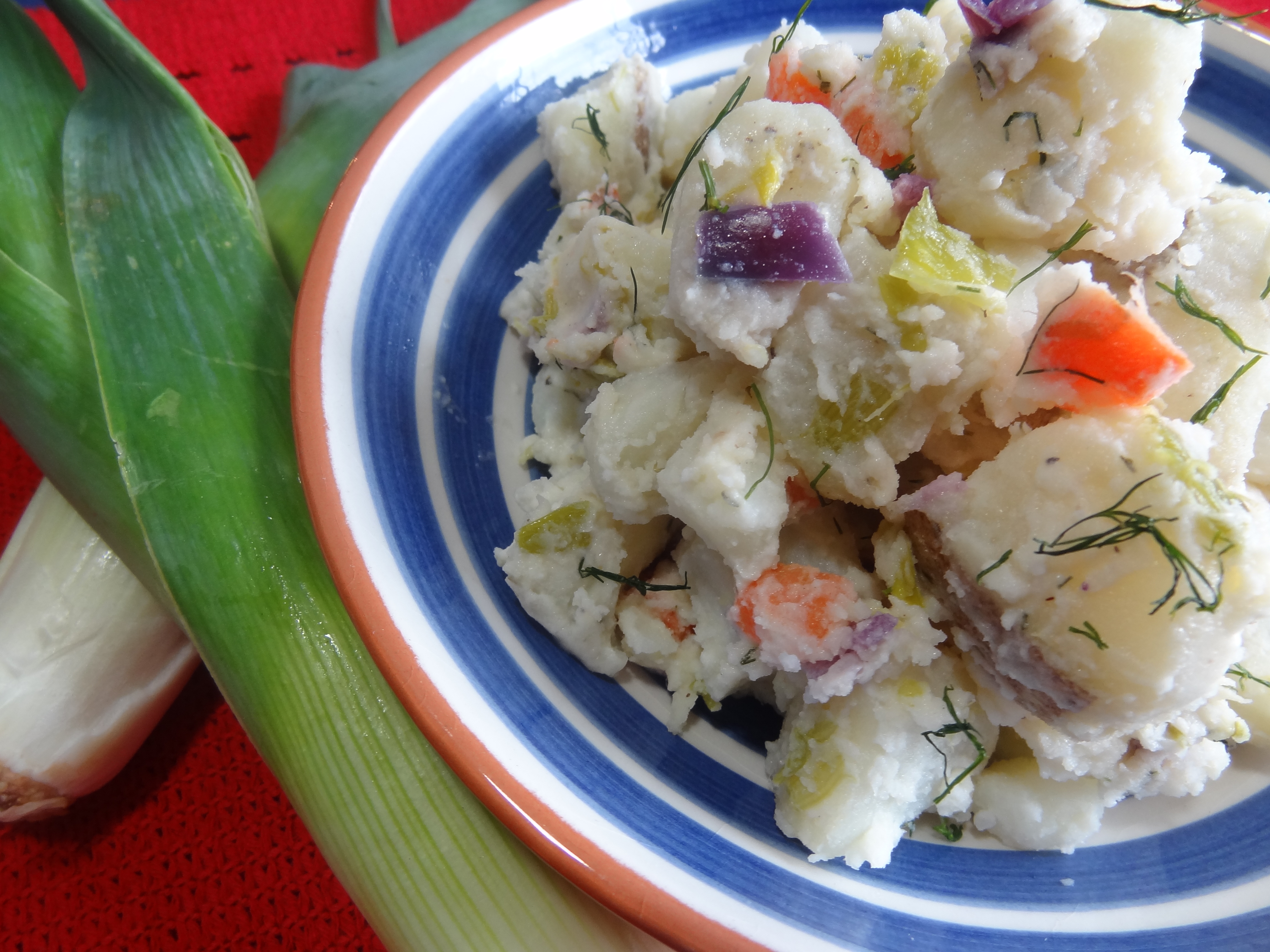
This potato salad is enhanced with the leaks and red onions which give it a sweetness. The dill gives it a kick. I only add...
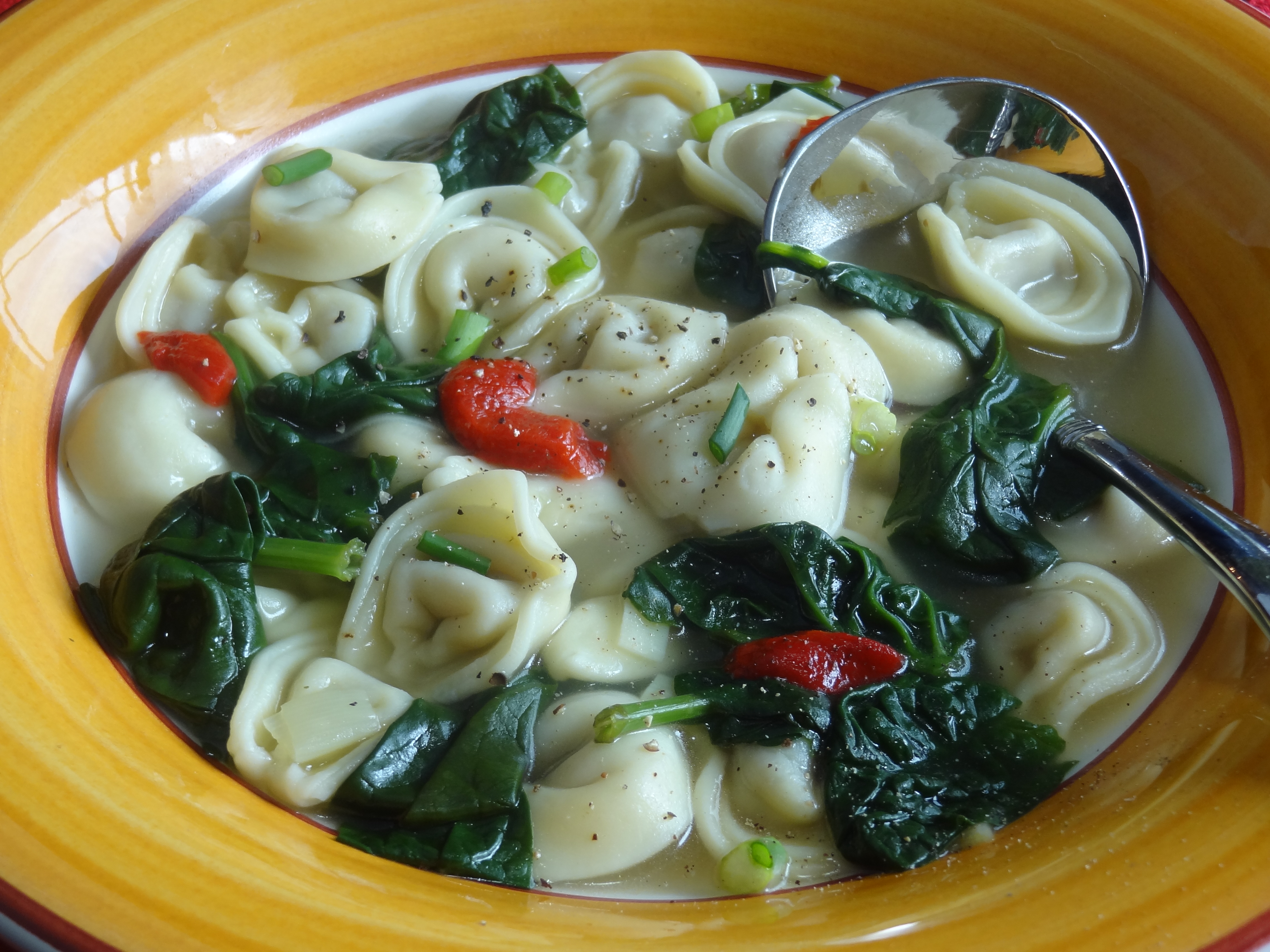
You can make a great healthy soup in just 15 minutes with this easy recipe. Enjoy! Ingredients: 2 packages of frozen tortellini soup mix (I...
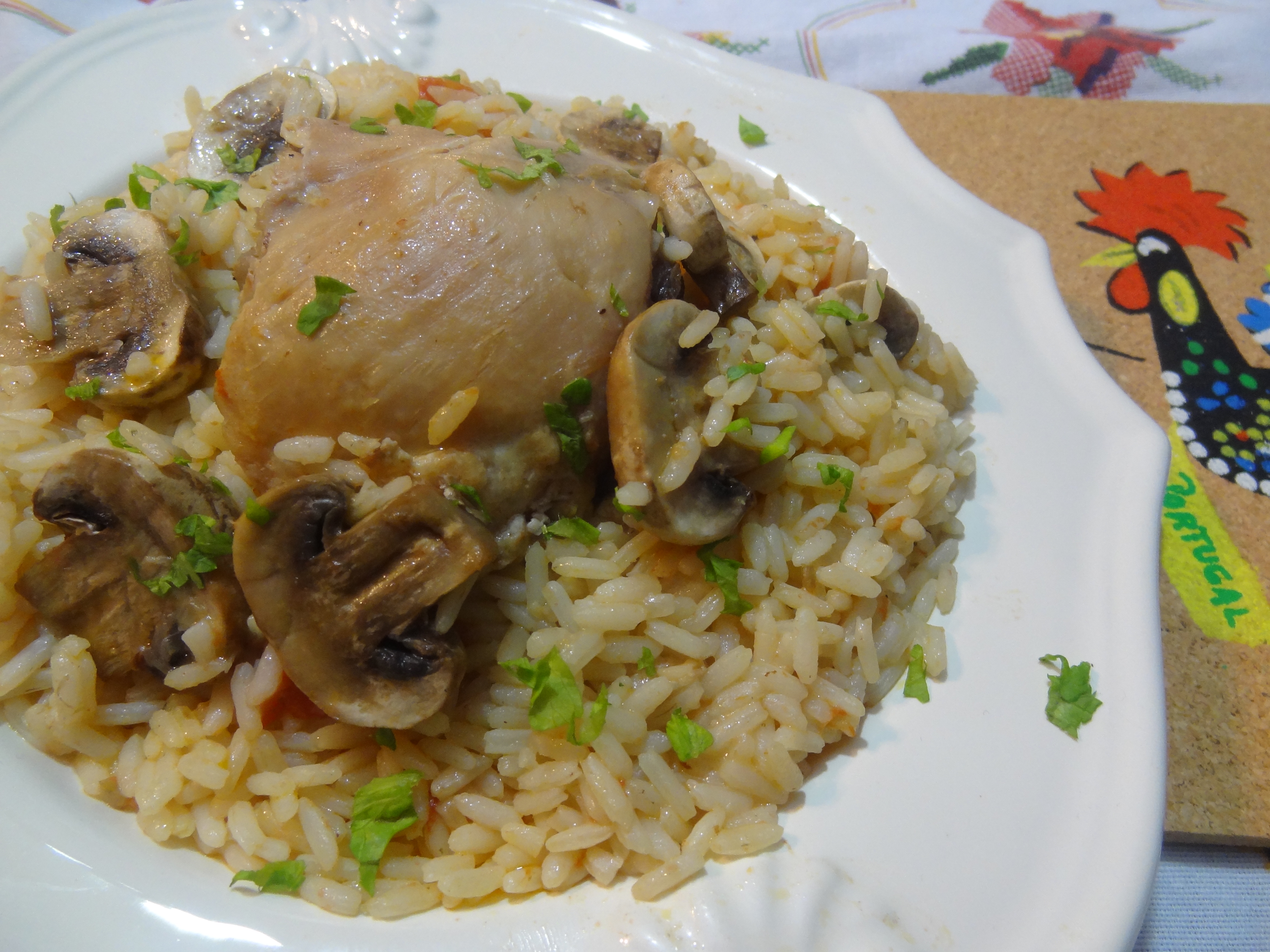
This one pot dish for any day of the week has always been a family favorite. It’s often requested and called; Portuguese Chicken and...
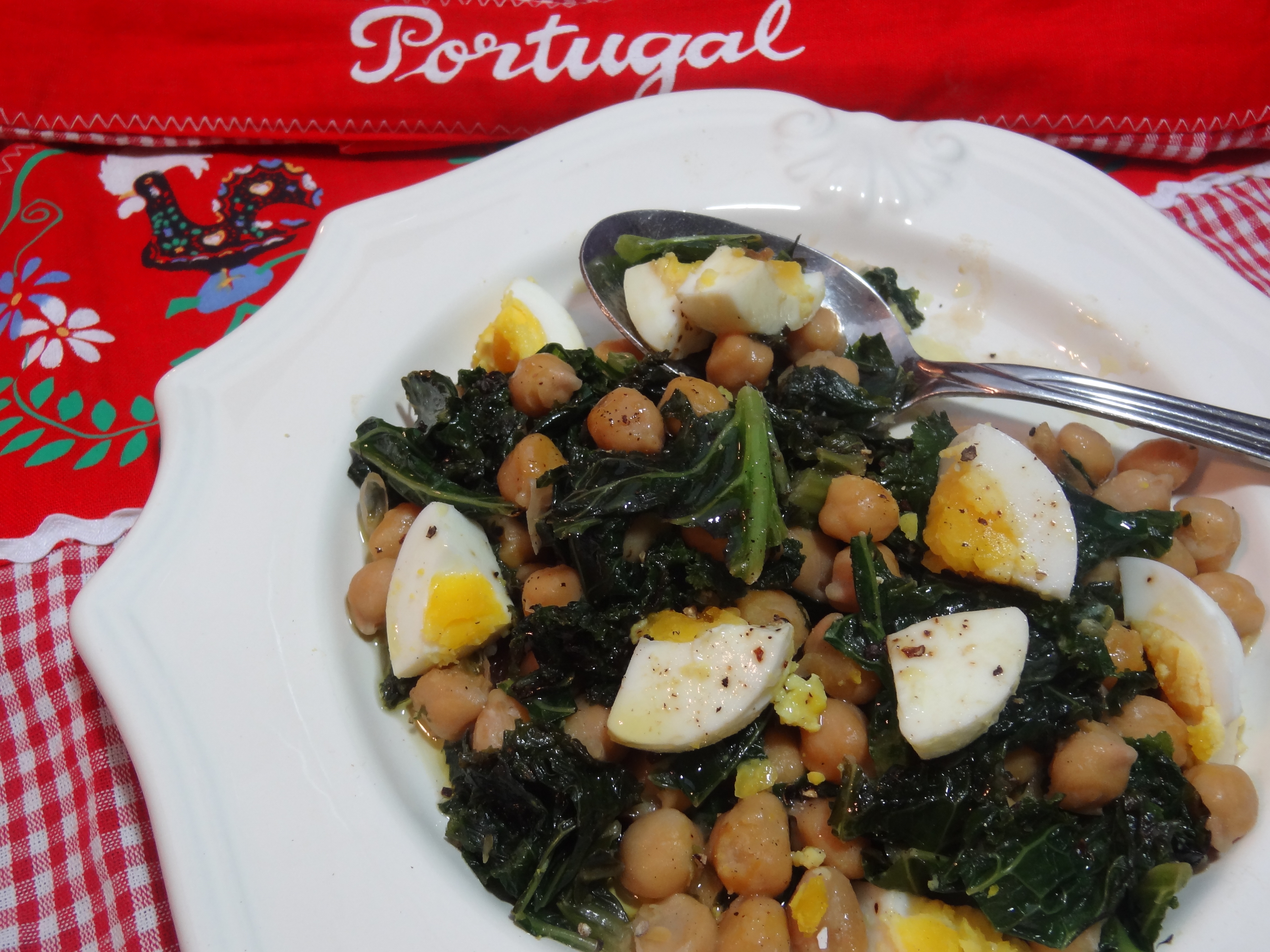
This one pan meal has protein, fiber, and all the vitamins you need for a healthy lunch or dinner. It also makes a great side...
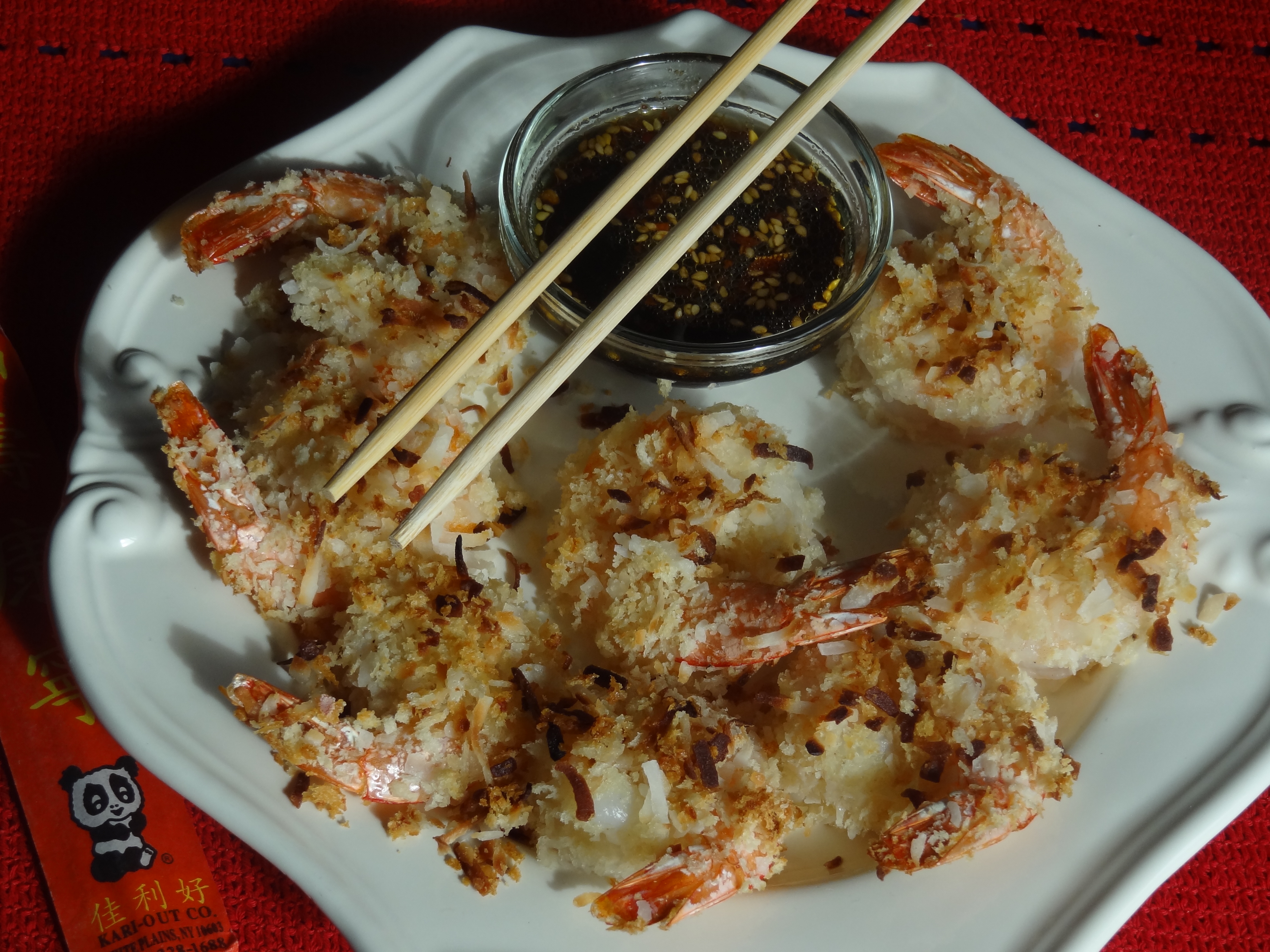
This recipe is one of the easiest I’ve ever made! I served the shrimp with white rice an Asian cucumber salad on the side. Enjoy!...
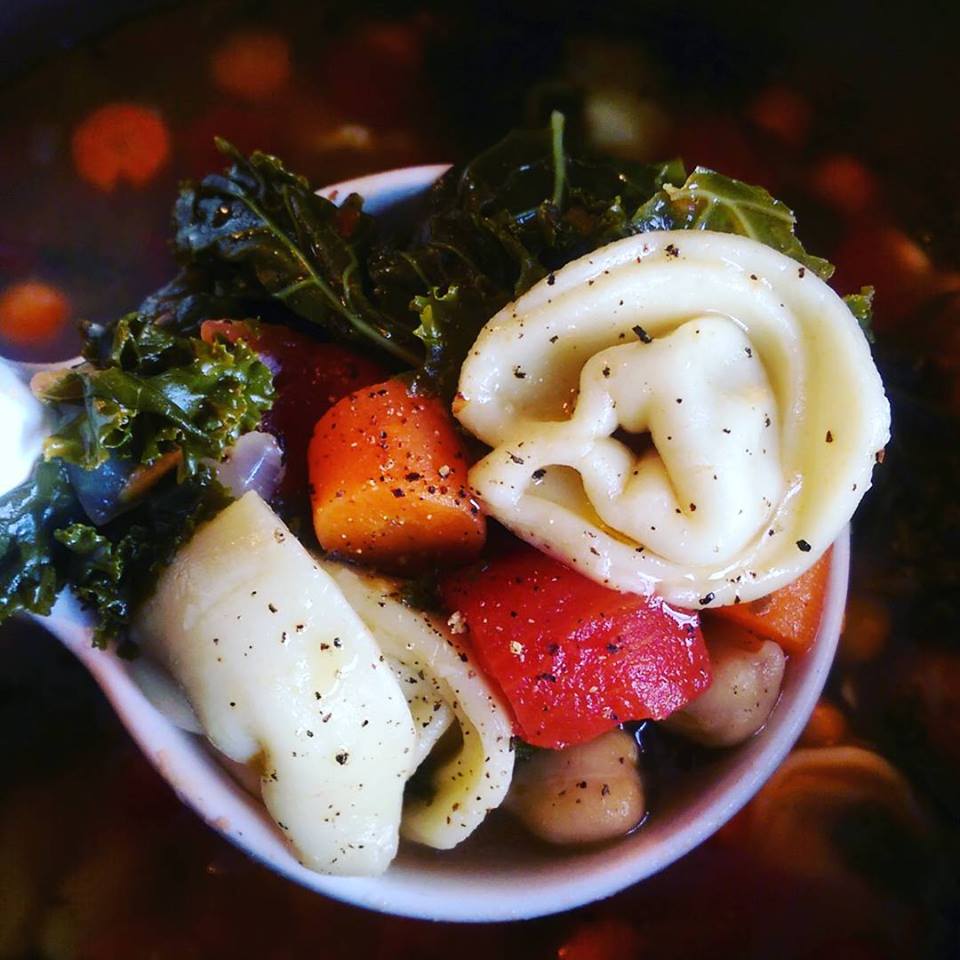
Nothing is more comforting than a hearty bowl of soup in a snow storm! This soup cooked in 30 minutes so it’s an easy lunch...
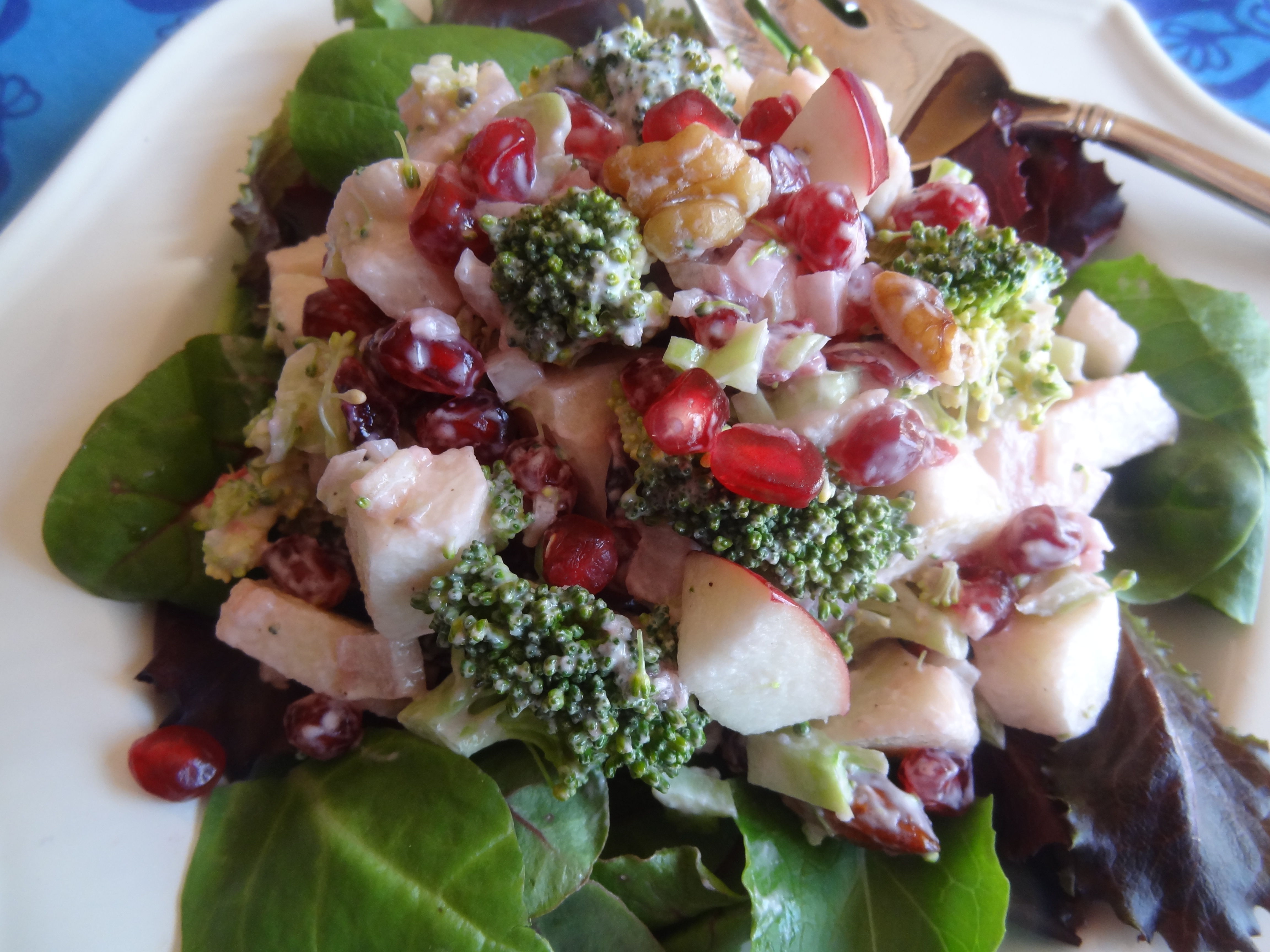
Broccoli Apple Salad The pictures tell the story, so there is no need to tell you how deliciously good and healthy this salad is! The...

In the Island of Madeira, during the family reunion on Christmas Eve it is customary to have chicken broth, apart from other meat dishes. Also,...
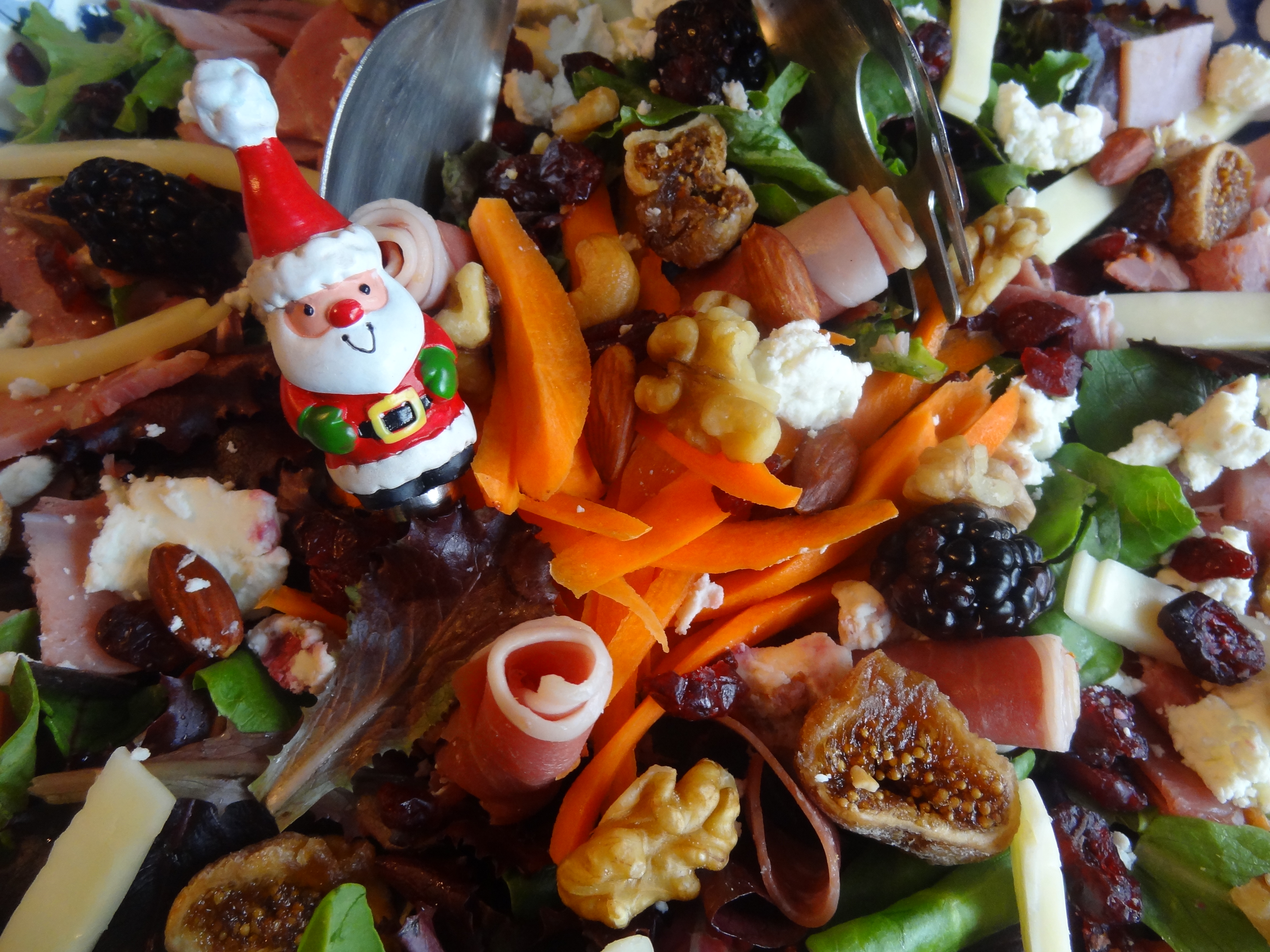
Start your New Year’s Eve festivities with this healthy Holiday Berry Nut Salad. I’m still finishing up with the leftovers from Christmas so I made...
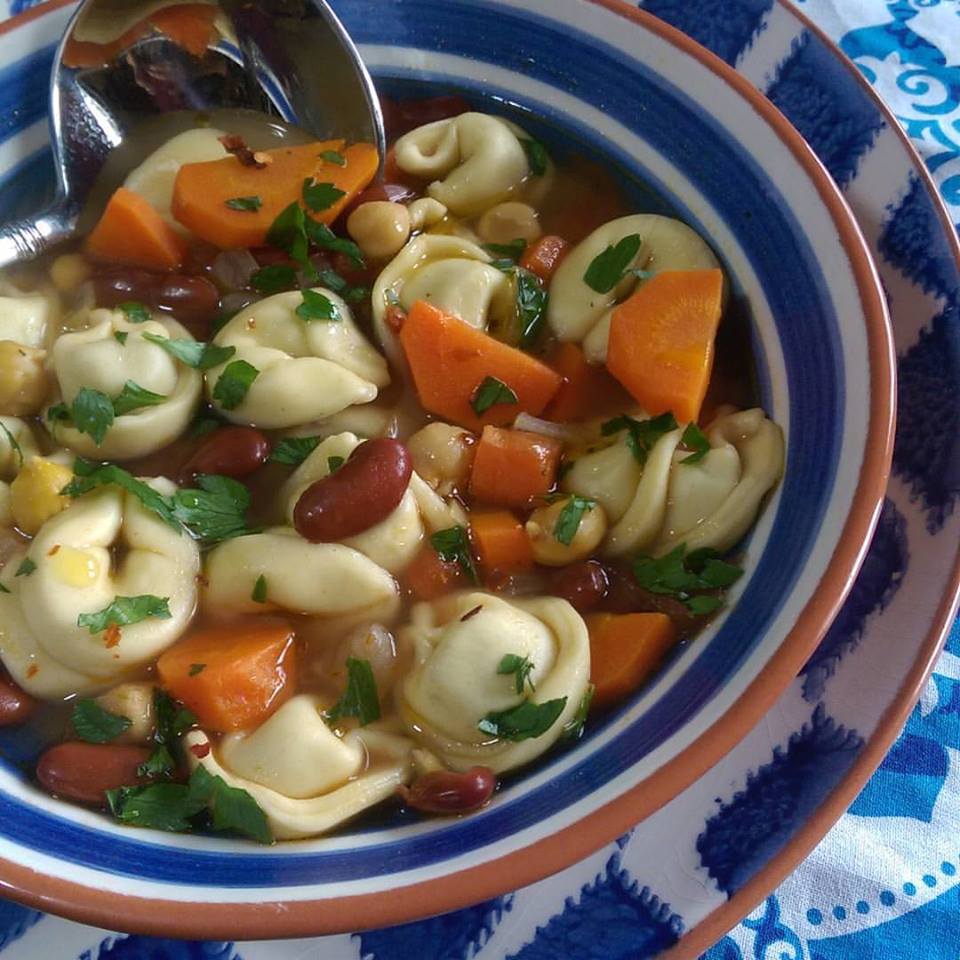
When I owned ran my deli/coffee shop I made soups every day so I had to come up with new soups for a change to...
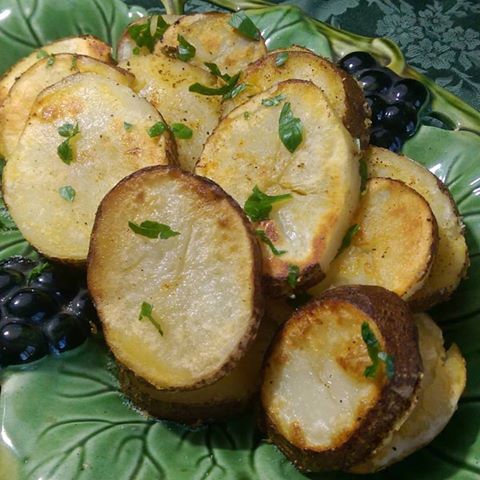
Most of us remember the delicious home fry rounds that our moms or grandmothers made for us. My mother was not exception. Every time the...
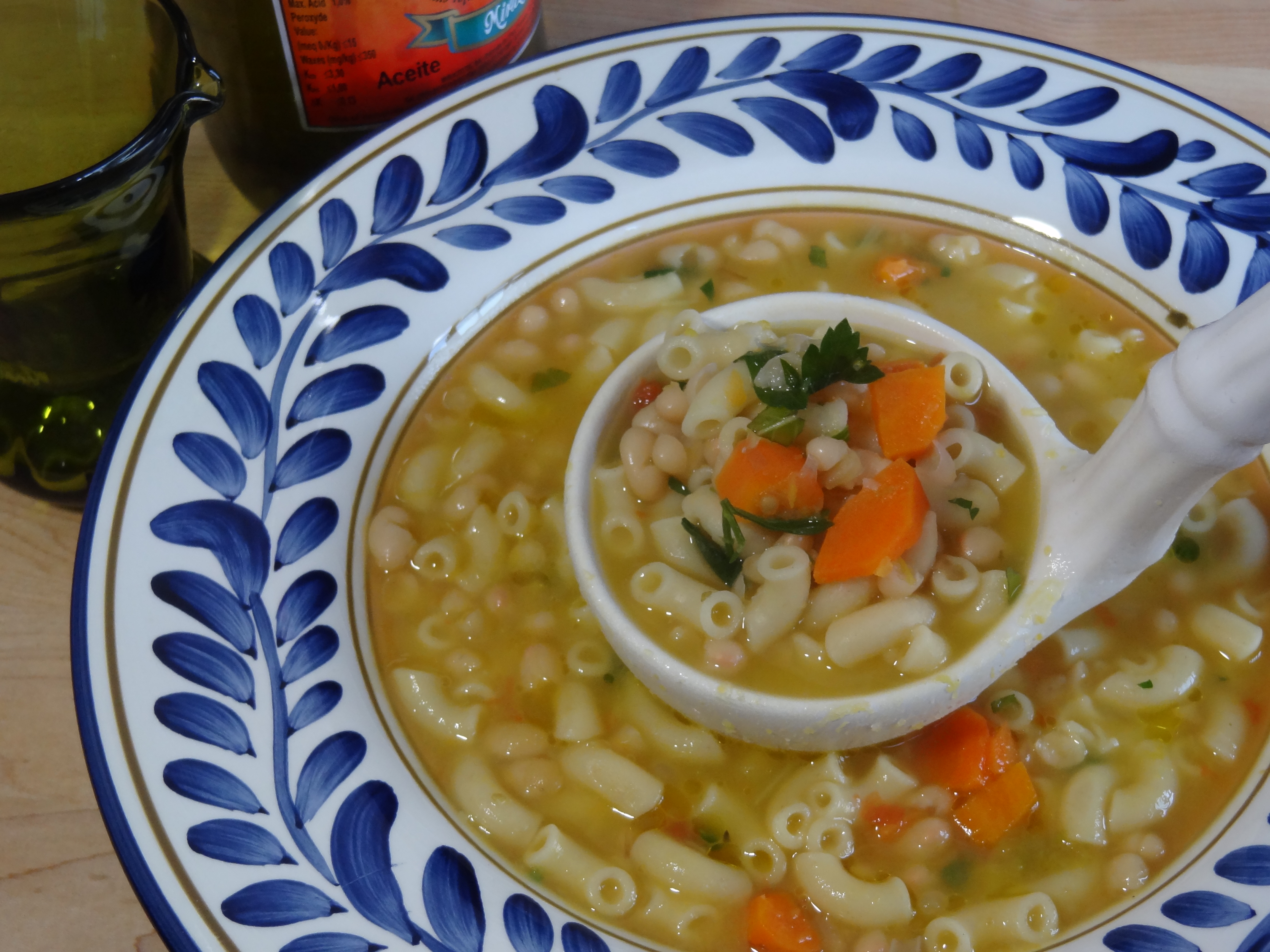
Nothing says fall like hearty soups made with a thick rich broth made with fall harvest vegetables. I used 3 different kinds of squash from...

Why get take out when you can cure your Asian cravings at home with this easy recipe for chicken and broccoli. All you need is...
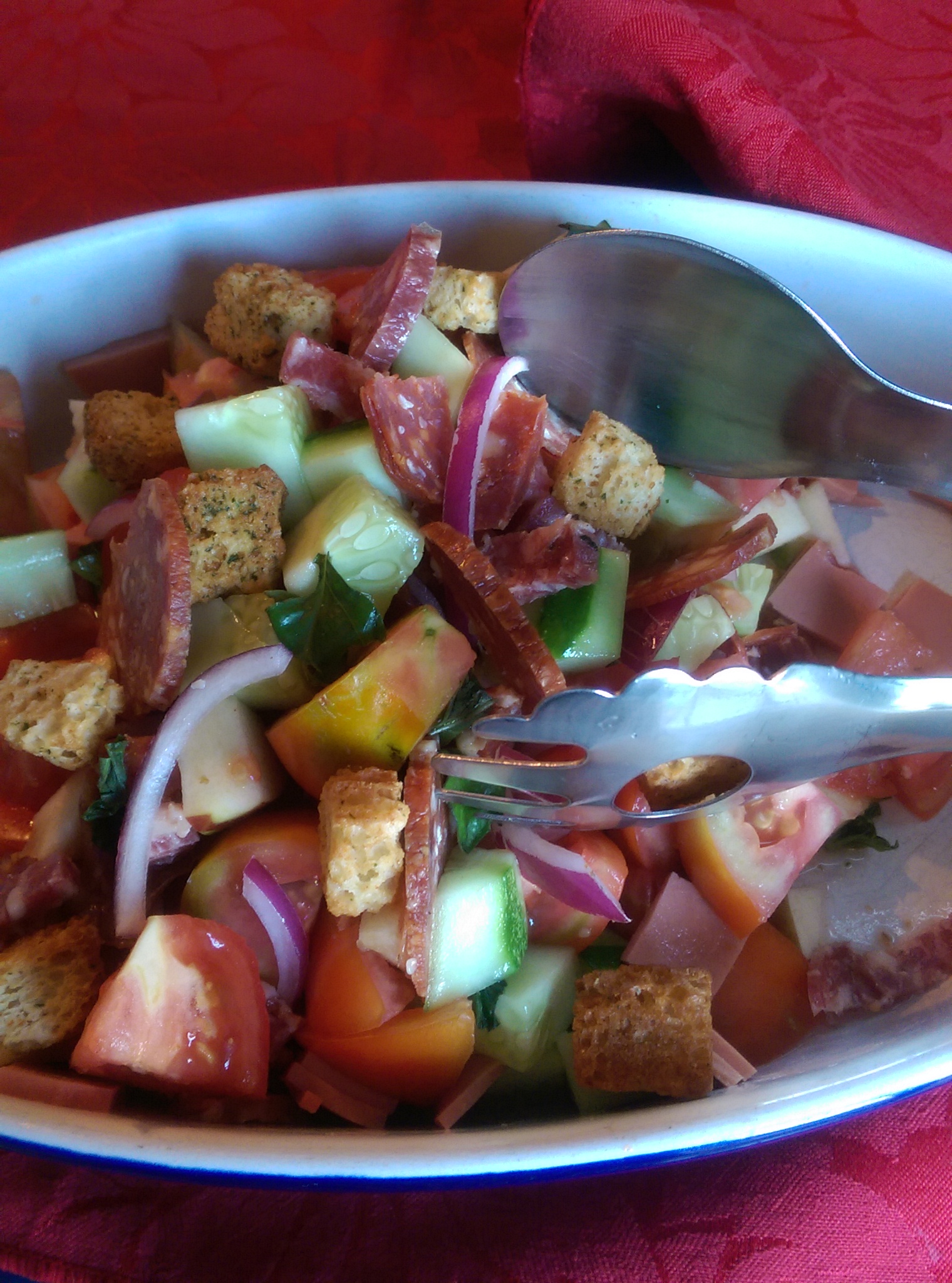
Never throw away your day old bread. Make this Panzanella salad. Simply cut the bread into 1 inch cubes, coat with a little olive oil...

This is a cake which was once served to a King of Portugal has become the traditional cake of AlfAlfeizerão and is famous throughout Portugal....

When you take one bite of this flat bread you’ll taste the delicious savory flavor of the chourico and eggs breakfast that you enjoy...

This is my husbands favorite sandwich. He is definitely a chouricoholic and never says no to anything with chourco! This recipe is simply easy to...
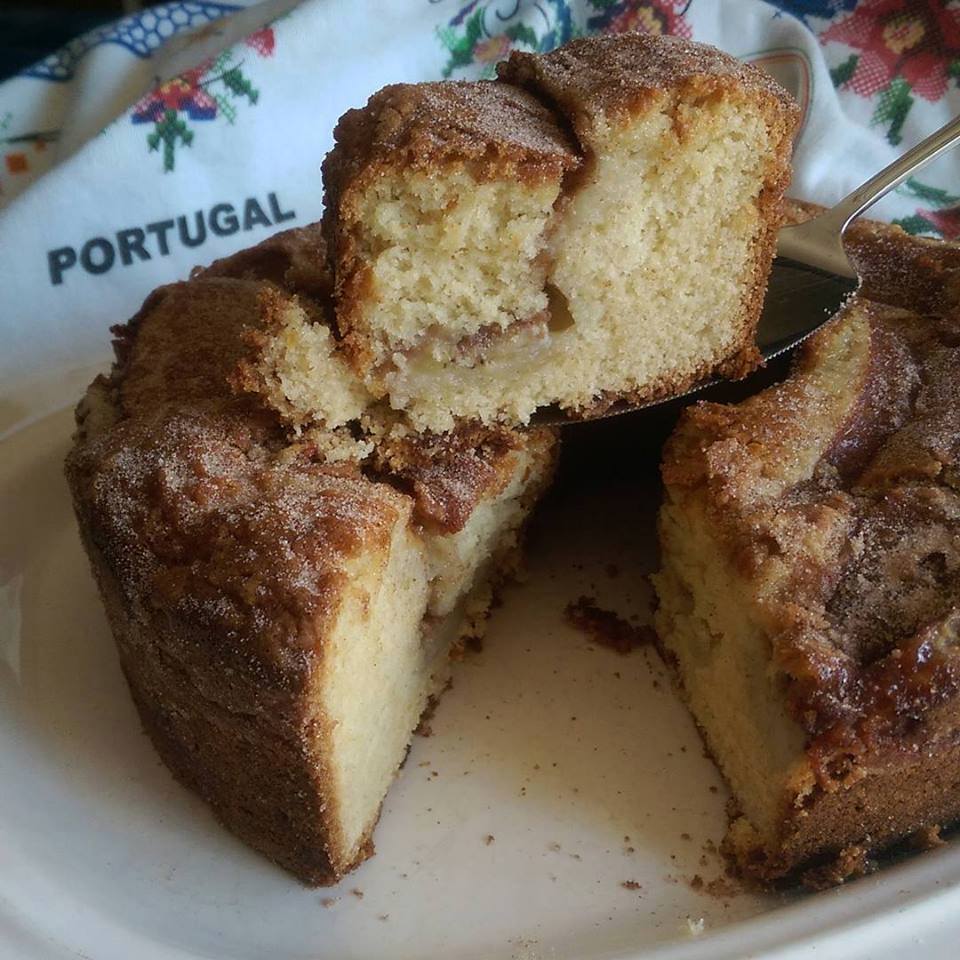
This warm banana bread is irresistible! The recipe for this batter is very light and fluffy, with a touch of sugar and cinnamon. FYI,...
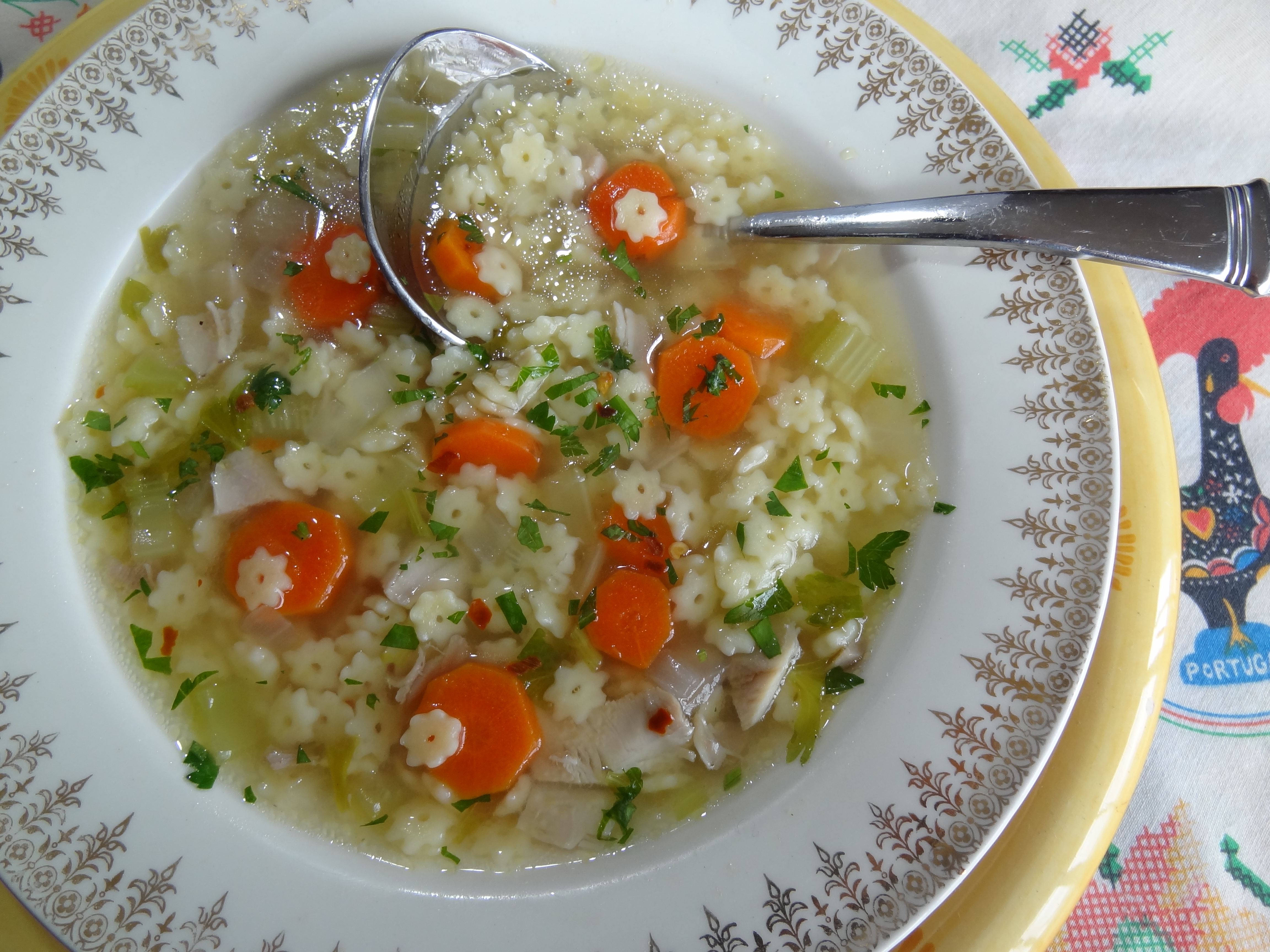
A perfect remedy for a Spring cold. This Chicken Noodle Soup will be ready in under 60 minutes. I used stars, but you can use...
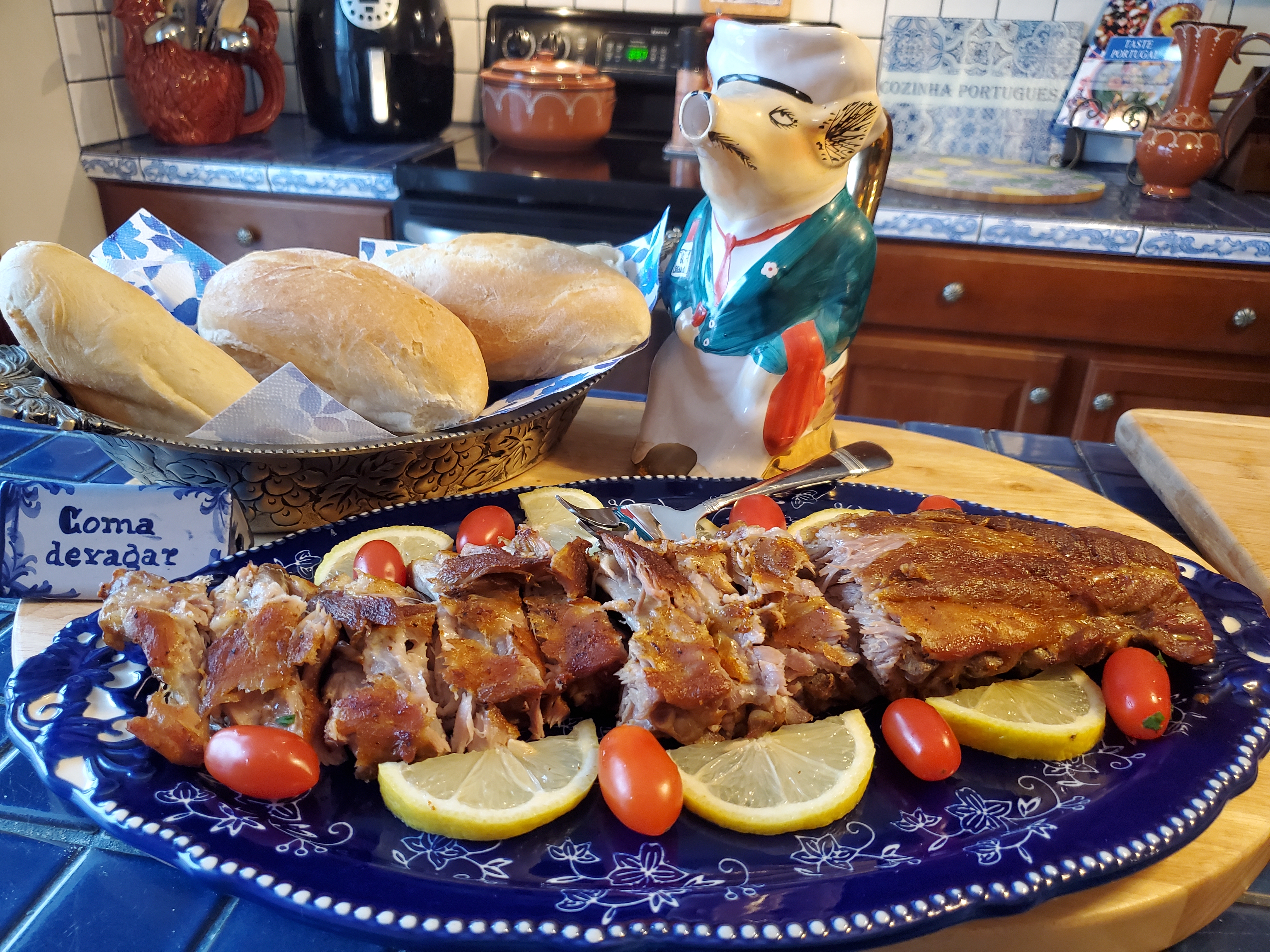
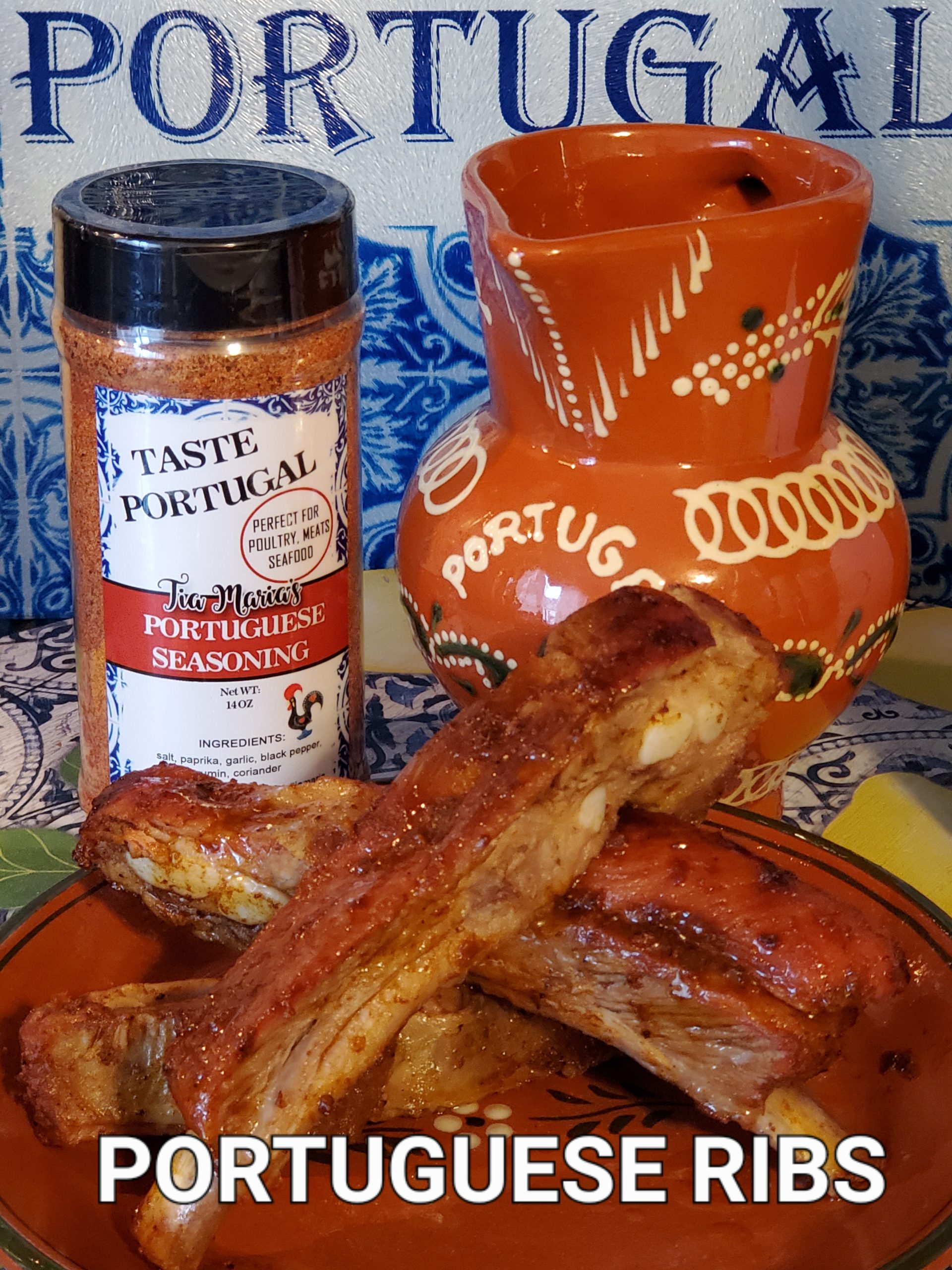
These ribs are fall off the bone with my spice mix recipe. You can bake them or cook out on the grill using the...
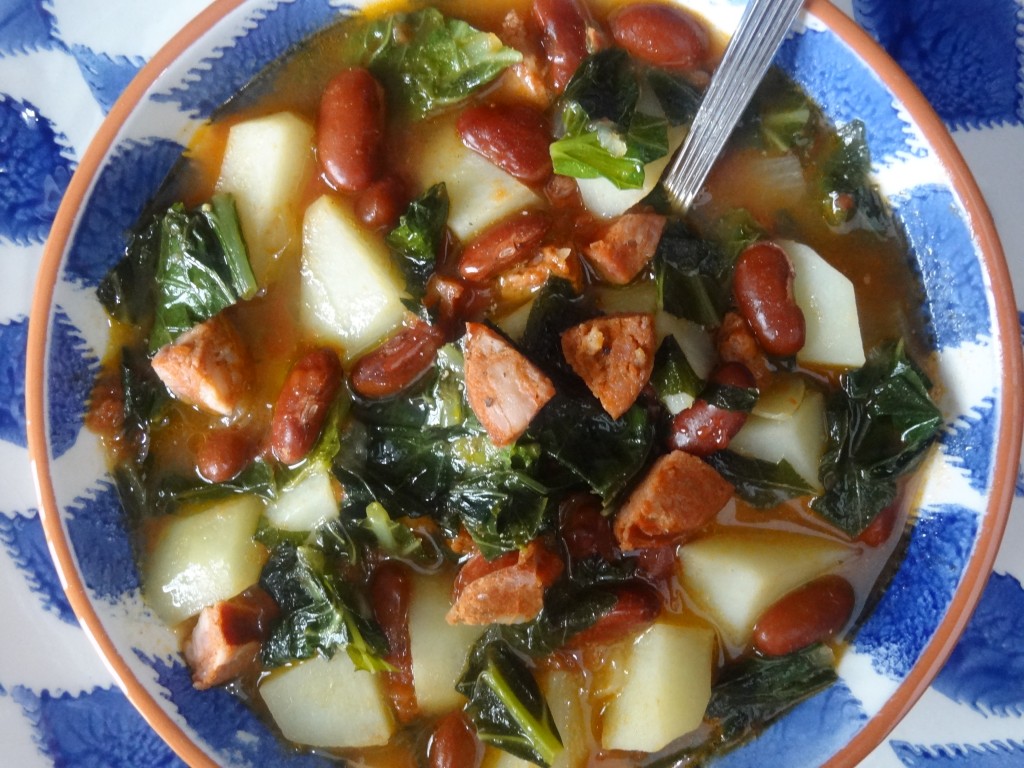
Watch me cooking Portuguese Kale Soup live on Mass AppealThanks to all of you for watching last Friday! Here’s the link to soup recipe. Prepping...

Lisbon Cobb Salad During lent, it often becomes a challenge to create new and interesting dishes. This is my take on Cobb Salad by making...
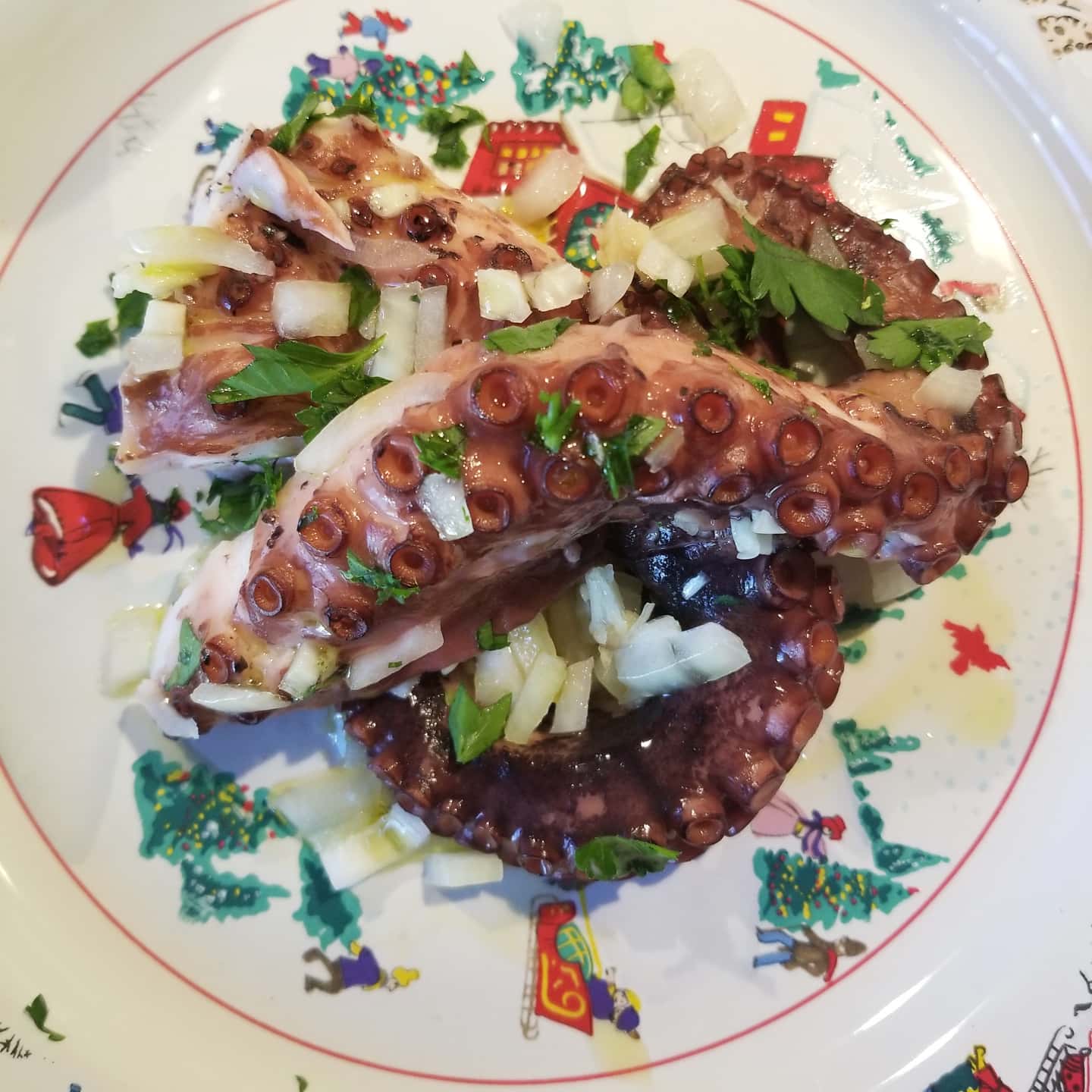
Baked Octopus is a must have at Christmas Eve at my home. Don’t be intimidated by the thought of cooking octopus because it’s...

It is said that the now famous; Francesinha was invented in the city of Porto, Portugal, in the 1960’s by Daniel da Silva, a returned...
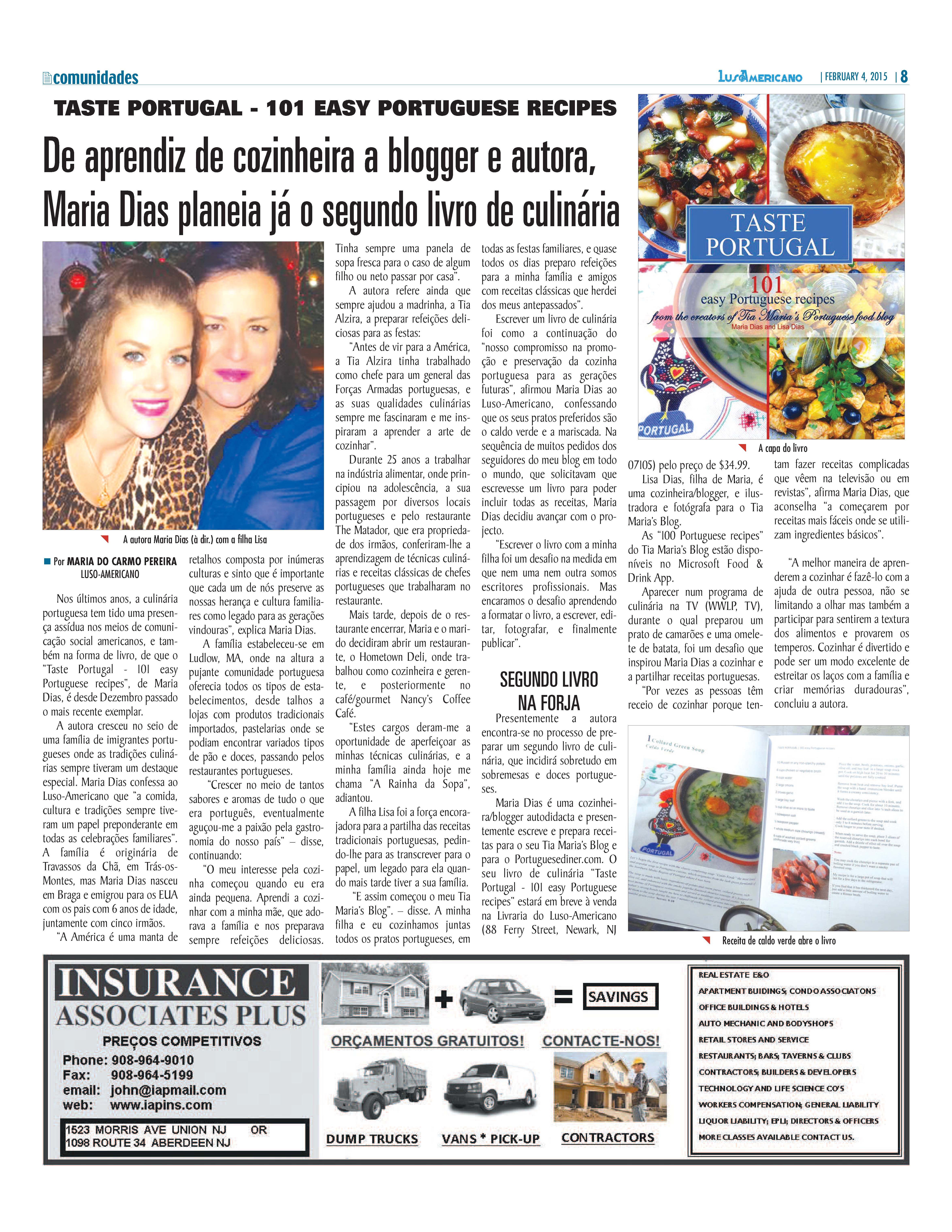
Thank you to Maria do Carmo Pereira and the Luso Americano Portuguese newspaper in USA, for featuring my new cookbook in today’s issue! “Luso –...

Photo credit: http://www.turistaprofissional.com Happy Valentine’s Day Hundreds of years ago, young women of marring age began making “Lenços dos Namorados” – Sweetheart Handkerchiefs, to show...
Introducing! Taste Portugal | 101 easy Portuguese recipes What began for my daughter Lisa and I as a challenging labor of love by simply sharing...
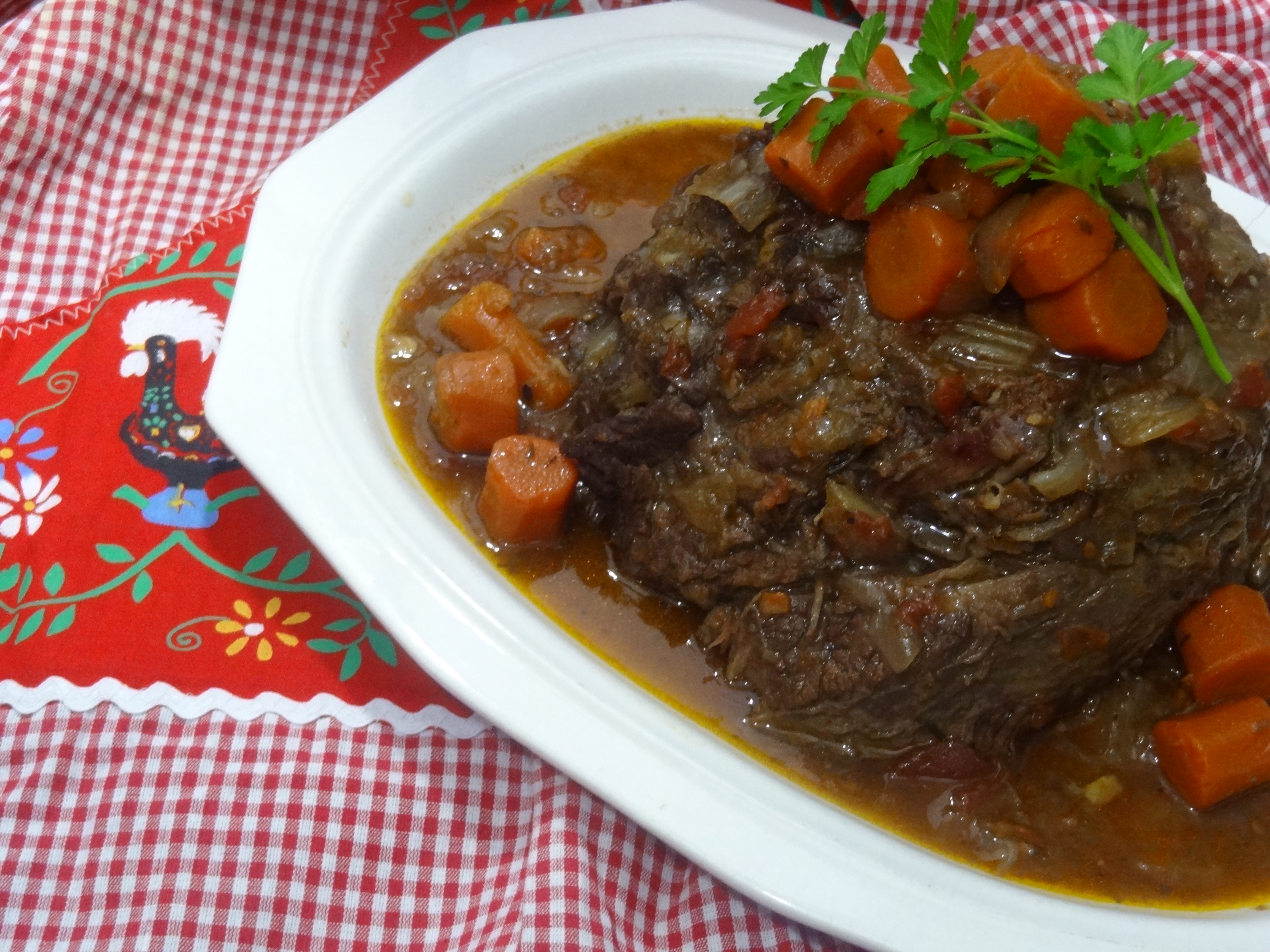
My daughter Lisa made Portuguese Pot Roast dinner on Sunday. It came out fabulous! This perfect pot roast is pure comfort food for the cold...
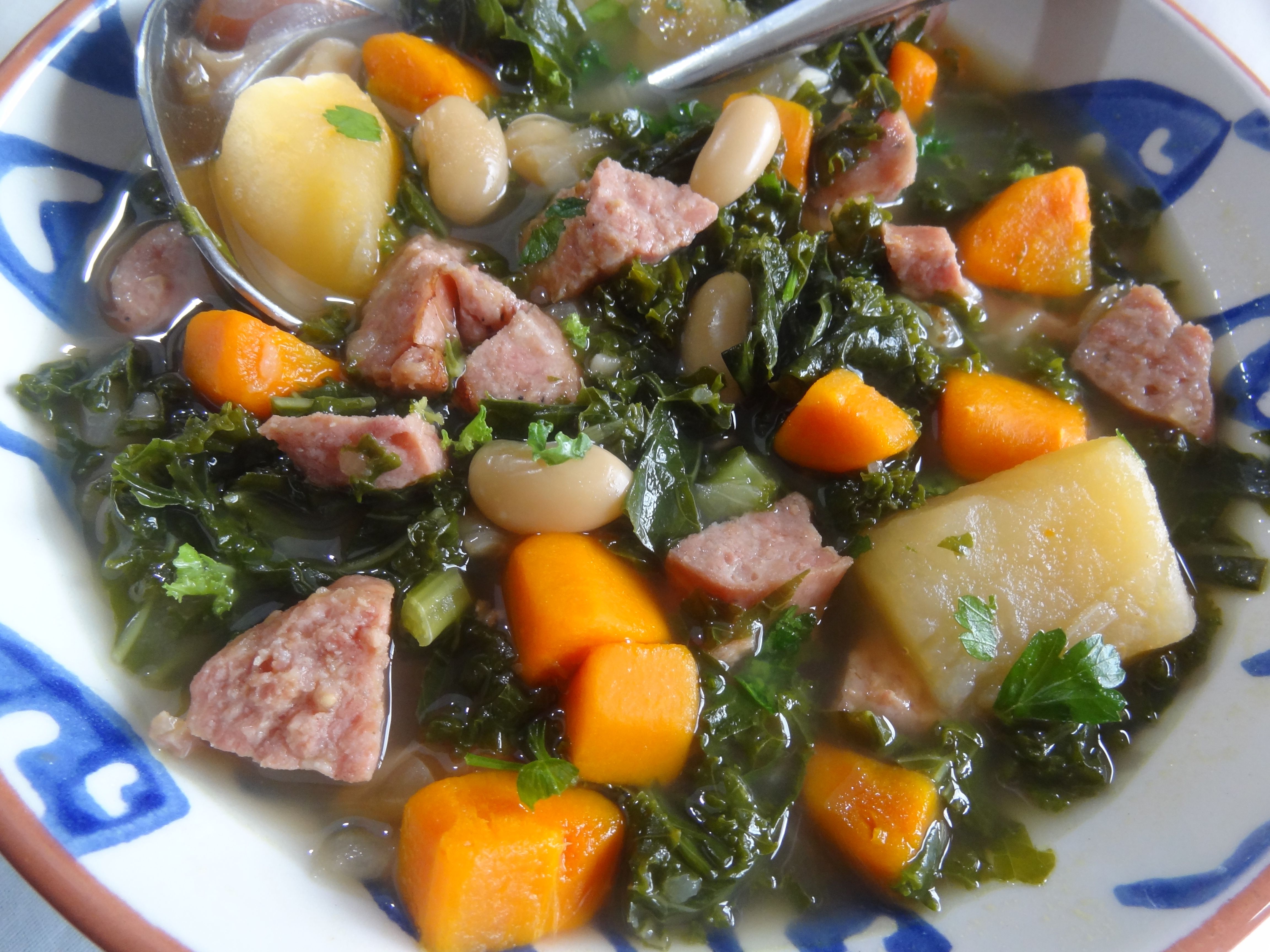
Soup season is here and what better way to warm up than with this hearty, vitamin packed soup. I used fall root vegetables which are...
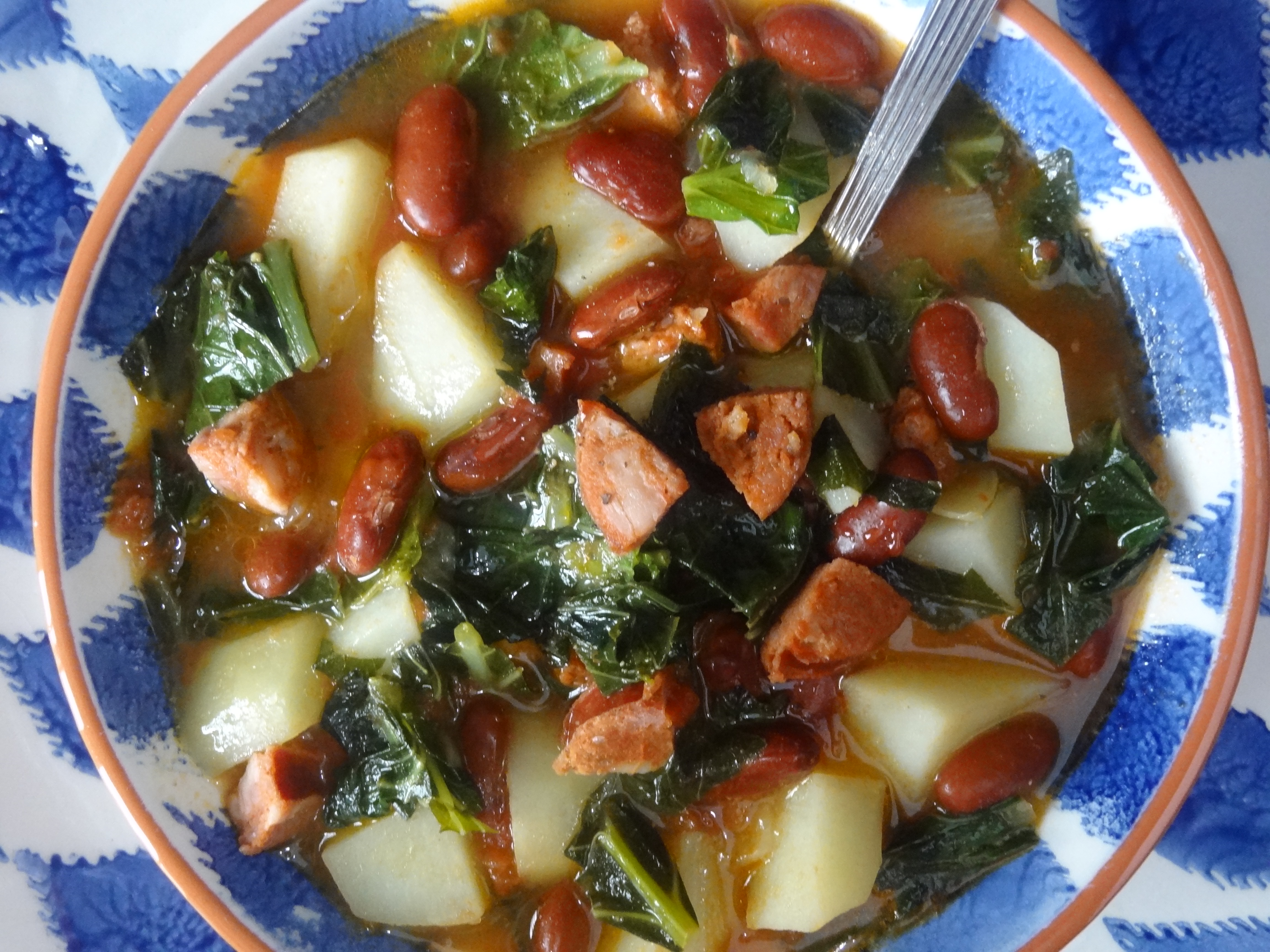
This recipe for Kale Soup will take less than 30 minutes to prepare. This soup is very popular but it is often mistakenly called...
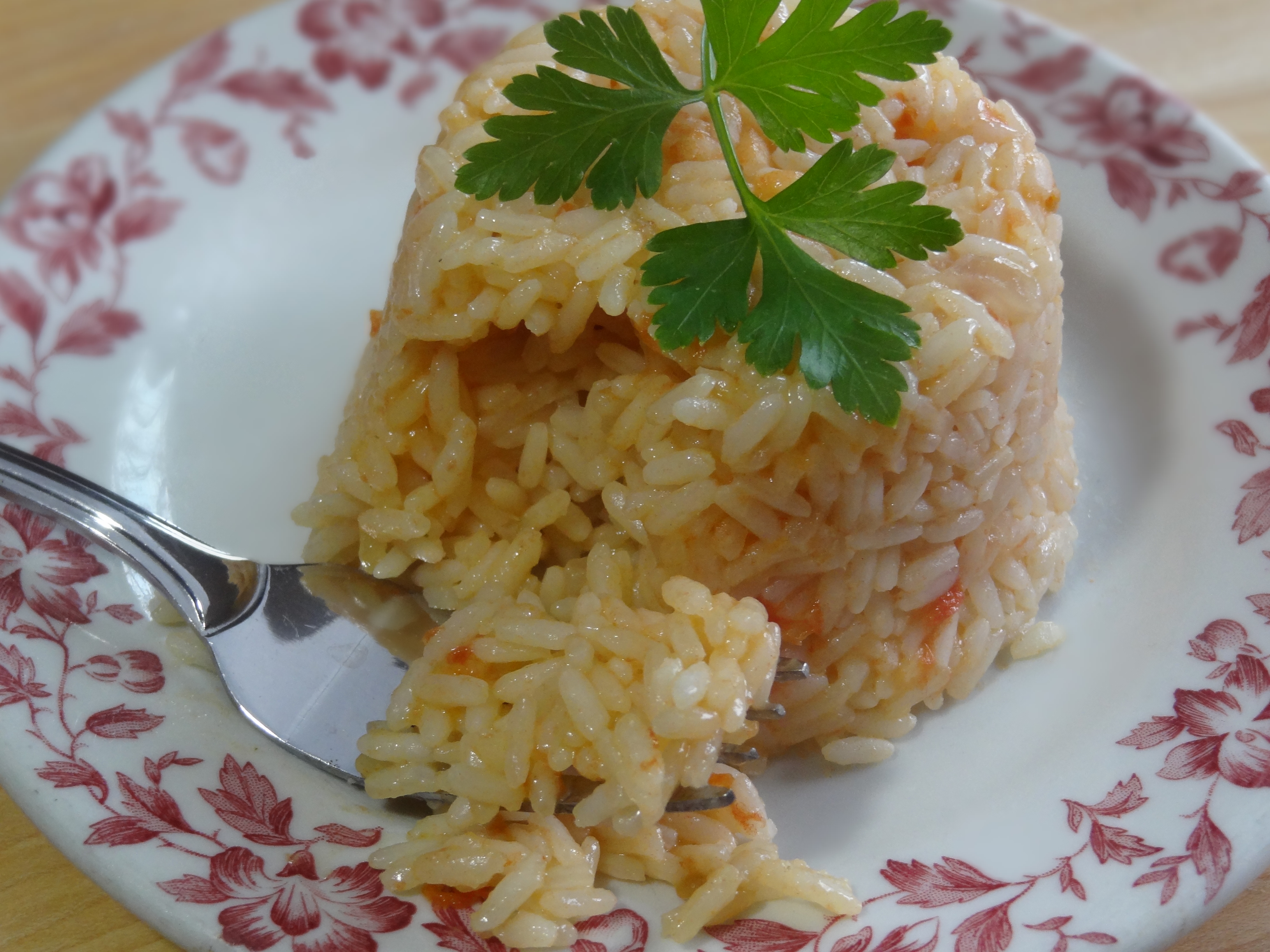
Arroz de Tomate – Tomato Flavored Rice This rice pairs well with fish and poultry, but you can serve it as a side dish for...

This easy recipe requires not baking and makes an elegant dessert. Bolo de Bolacha Maria is traditionally made with butter, or sweetened condensed milk, but...

I appeared on Portuguese TV – SIC NOTICIA/SAPO on Tuesday June 10, Portugal day. The news piece featured Portuguese Sweet Muffins – Bolos Levados from...
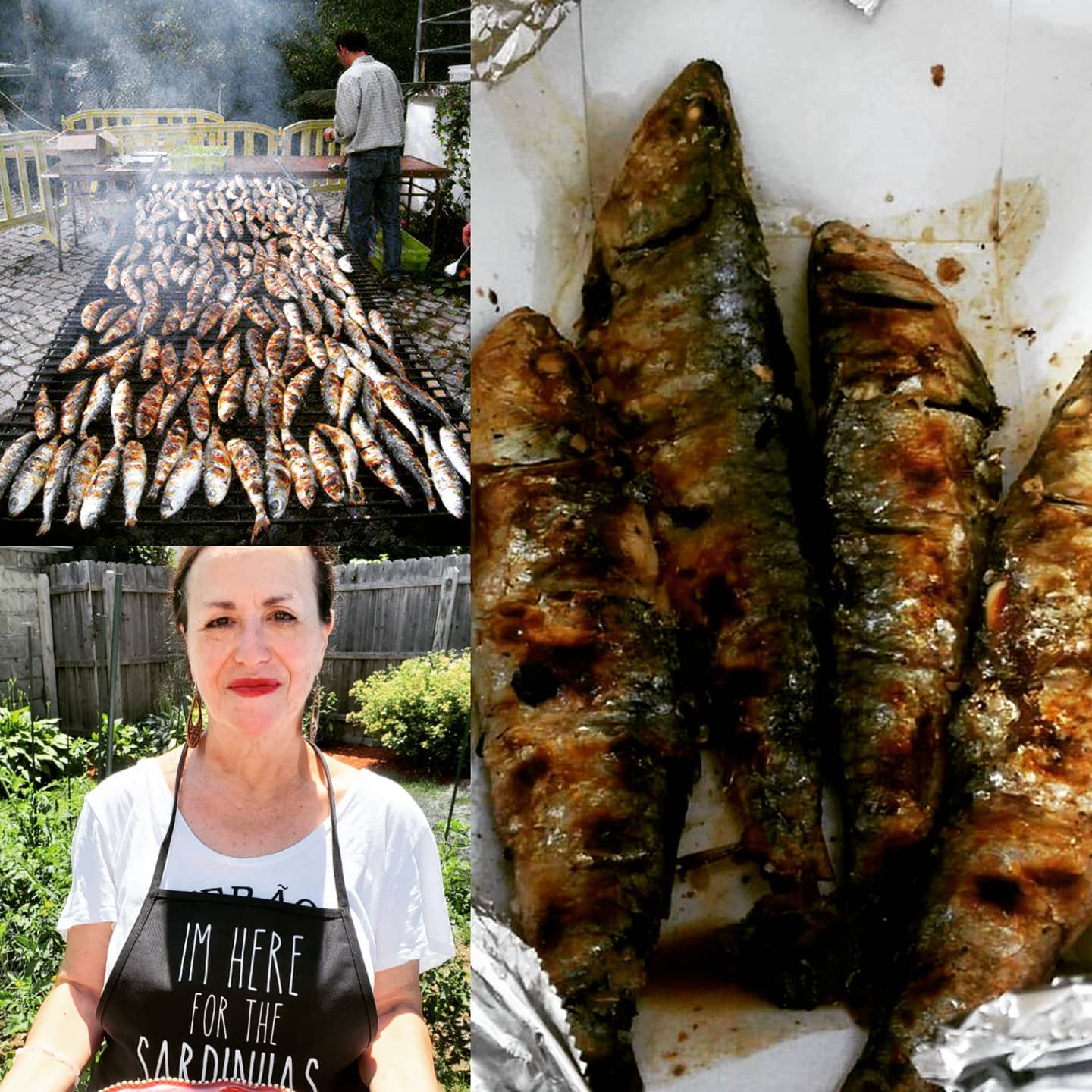
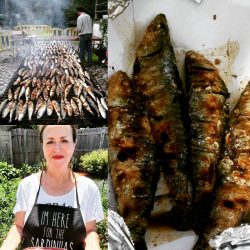
Fire Grilled Sardines with Onions Peppers Sardinhas Assadas com Cebolada Get this beautiful PORTUGAL TILE GLASS CUTTING BOARD AND I’M HERE FOR THE SARDINHAS HERE...

You won’t believe the magic that happens when you make this cake! It’s very easy to make and perfect for a party. This cake is...

This recipe is very easy to make despite having a lot of different ingredients. I adapted it from the Pioneer Woman. She used tortillas...

Order these beautiful ceramic mugs and glass cutting boards here Lisbon Blue shop When I was a little girl, I would wake up on Christmas...
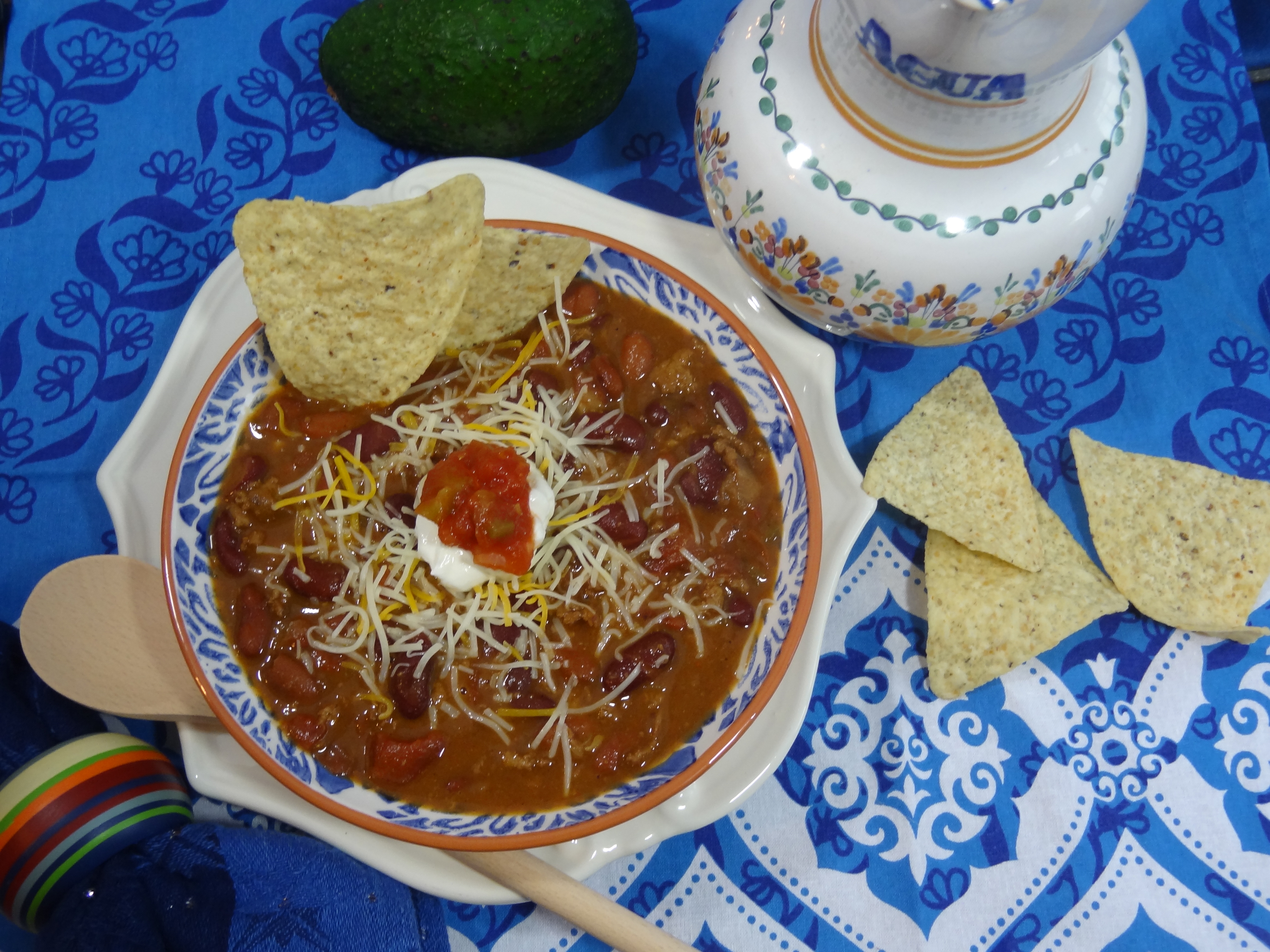
This recipe makes a large pot of chili that can serve 10-12 people so you’ll have enough for the next day, or freeze it for...
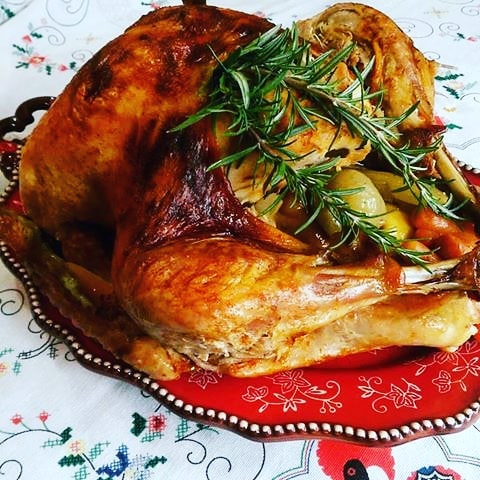
A Portuguese Thanksgiving menu – Enjoy! Portuguese-sweet-bread butternut-squash-carrot-puree roast-potatoes Portuguese-style stuffing classic-Portuguese-rice There are many variations to preparing at Thanksgiving Turkey. Some people brine...

Get your pumpkin on! Pumpkin Cake With Cream Cheese Frosting is a delightful dessert for those of you that want something different instead of pumpkin...

“É dia de São Martinho;comem-se castanhas, prova-se o vinho” “It’s Saint Martin’s day; we eat chestnuts and drink the wine” Dia de Sao Martinho –...

This recipe is deliciously easy! It’s my daughters recipe that she adapted from the Pioneer Woman. What a scrumptious surprise to find this beauty waiting...
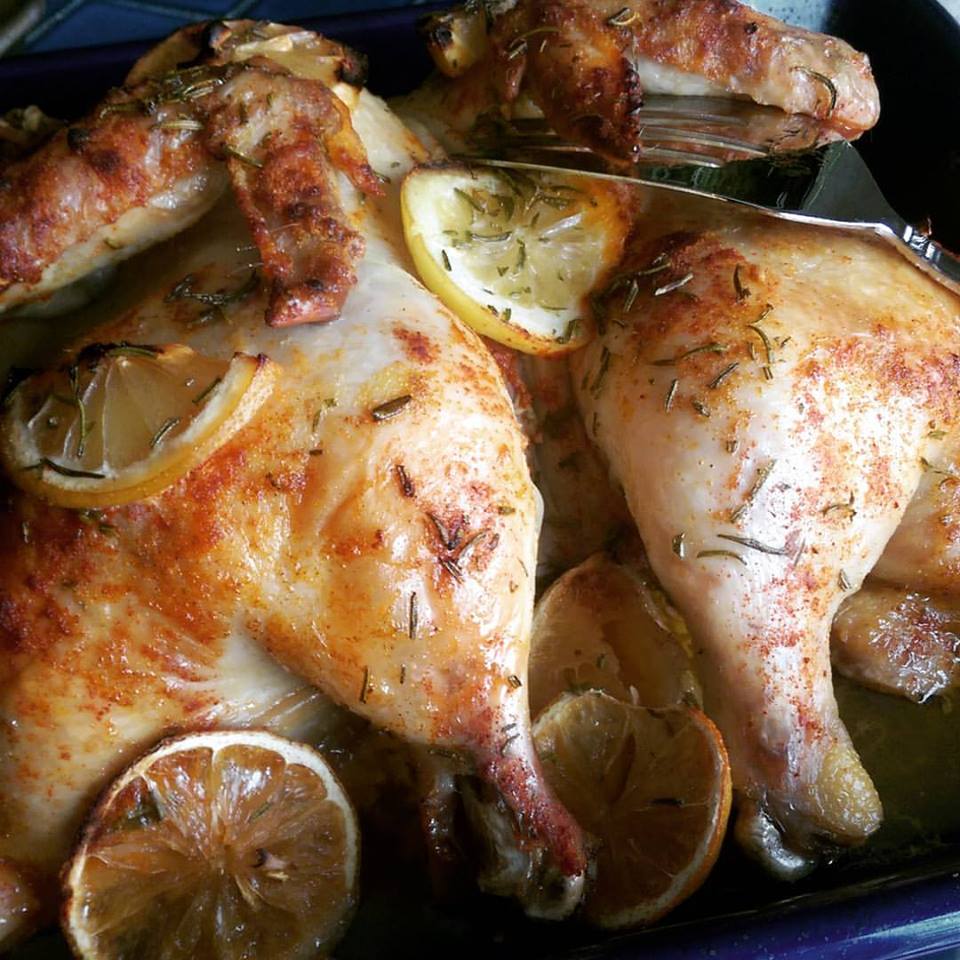
Lemon Rosemary Chicken is typically not a Portuguese dish, but I add paprika to give it a smoky flavor and a beautiful golden crust! I...
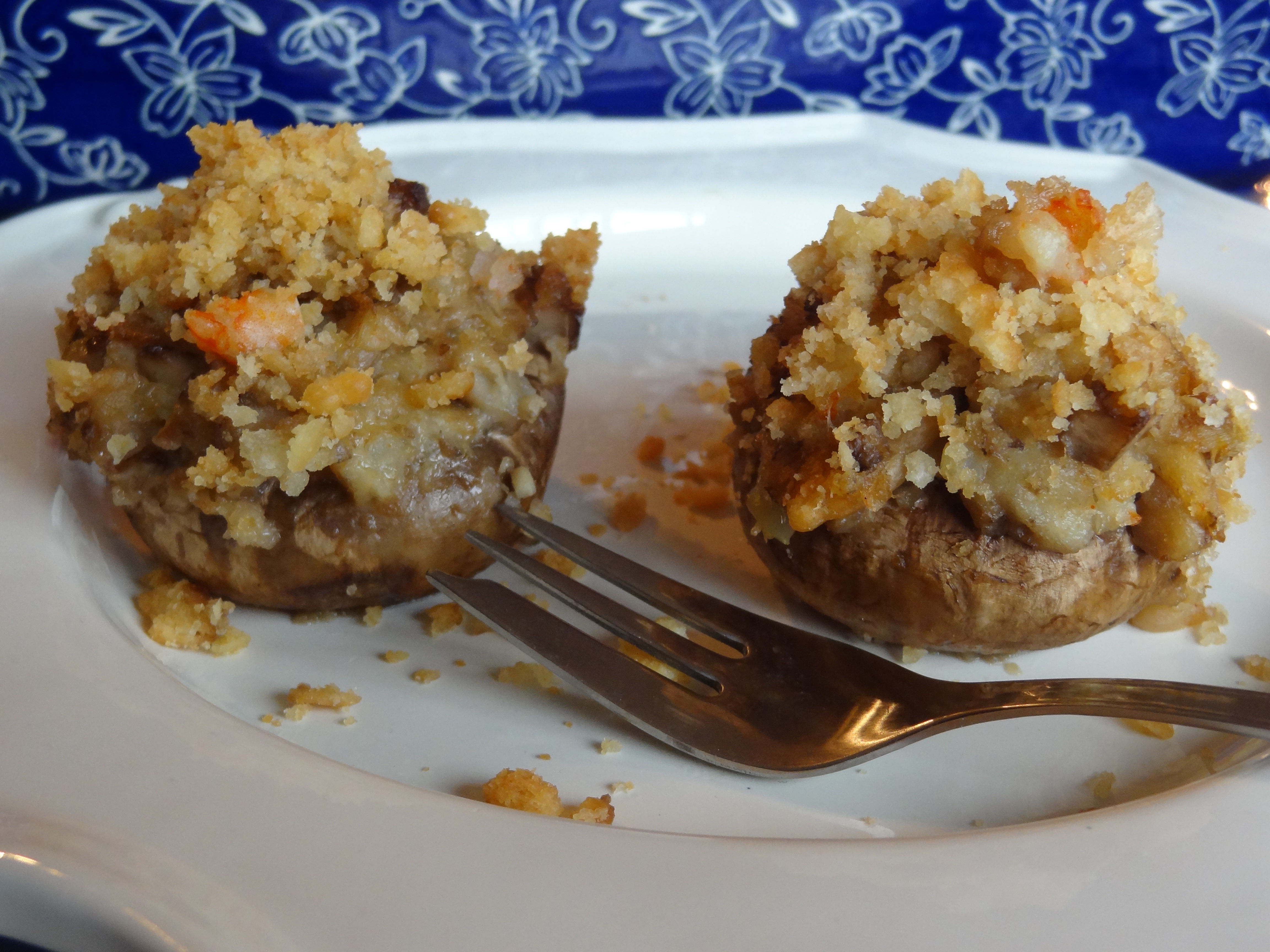
This stuffed mushroom recipe is perfect for a special occasion appetizer. It’s deliciously decadent, and full of flavor. The mushrooms come out moist, and the...

Chouriço Bombeiro This appetizer creates a memorable cooking experience for your guests. The flaming chouriço creates a crispy browned skin and savory flavor. Chourico sausage...
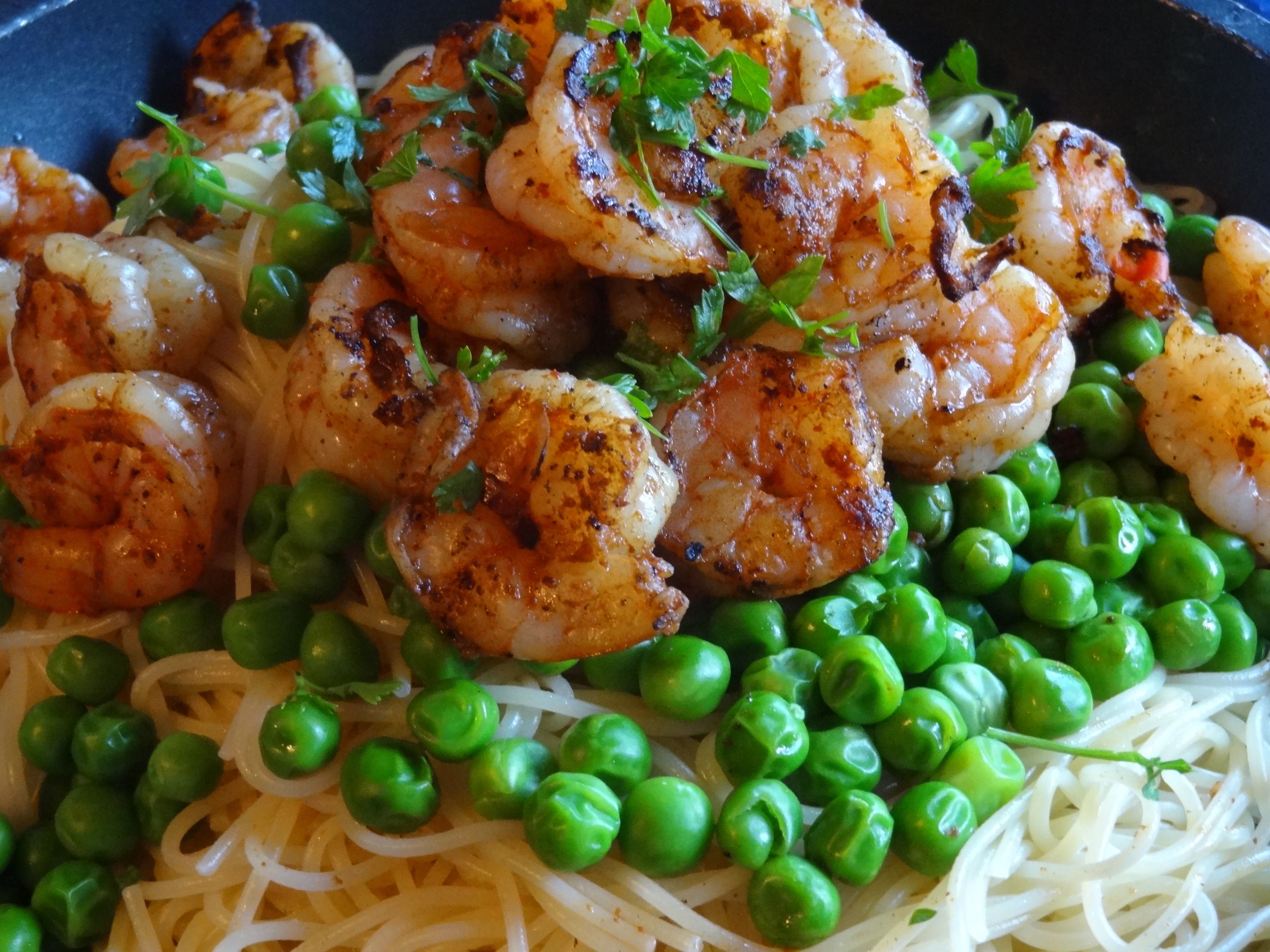
Shrimp is loaded with protein, low in calories and only takes 5 minutes to cook! This easy recipe takes less than 30 minutes to...

Cavacas – “Portuguese Popover Dessert”. The taste and texture is similar to a profiterole with a creamy, sugary glaze over the top. This classic dessert...
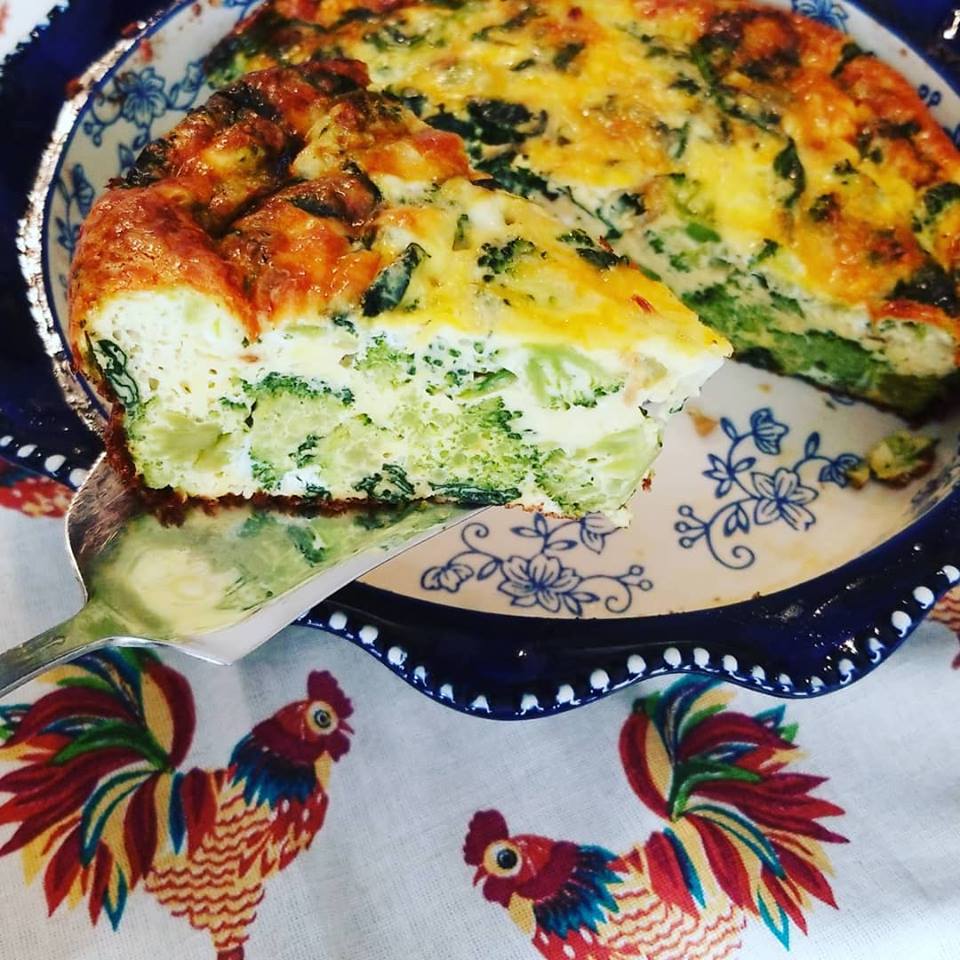
Crust-less Spinach and Broccoli quiche is an amazing savory dish. This is my go to dish for meatless hearty lunch, but I also prepare it...
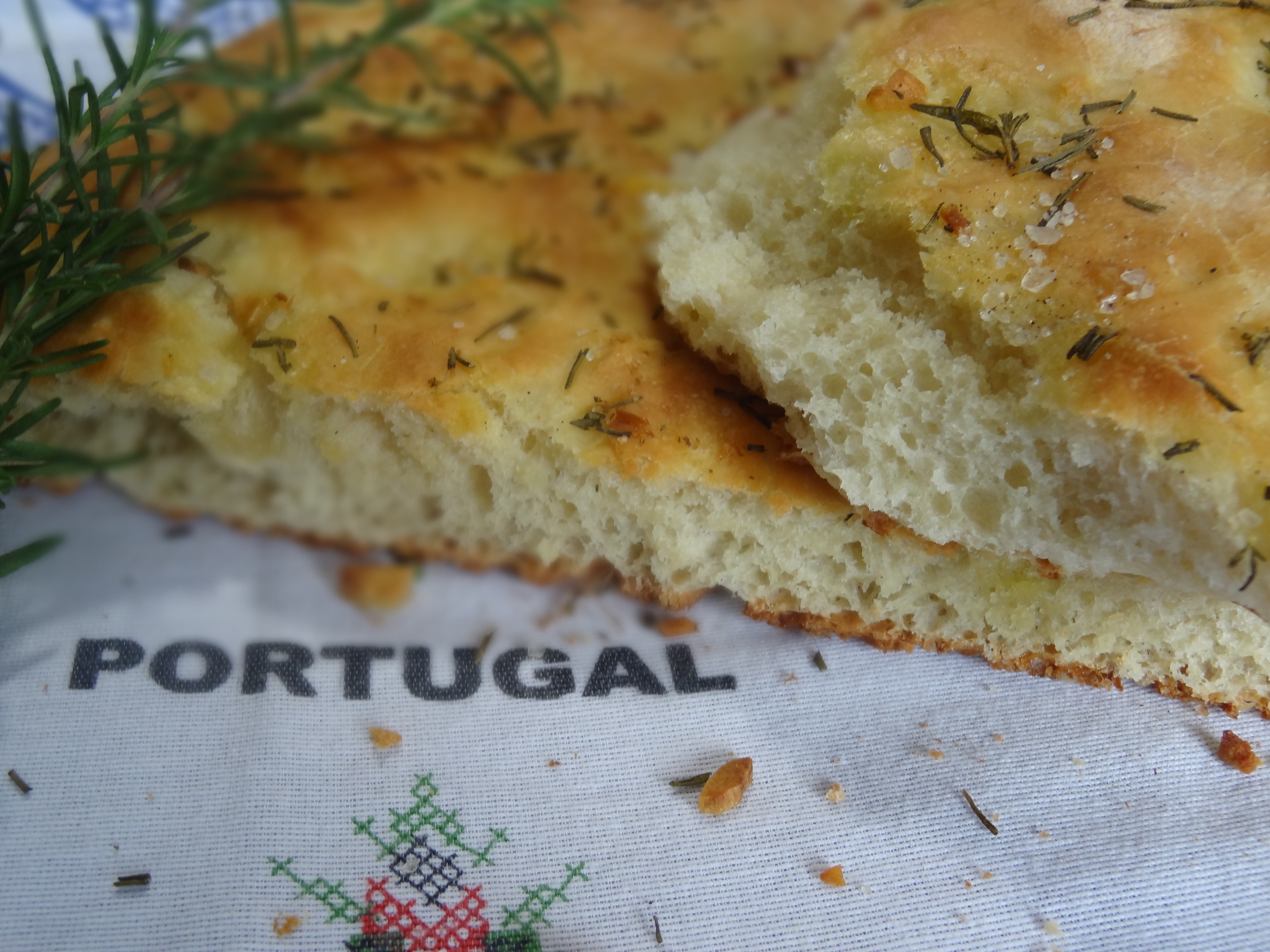
Making this flat bread took me back to my family’s hometown. Travassos, is a small village in Tras os Montes, Portugal near the city of...

You’ll love this fruit salad for summer picnics, Holidays and for family celebrations. It’s so simple and easy to make, because you don’t have to...
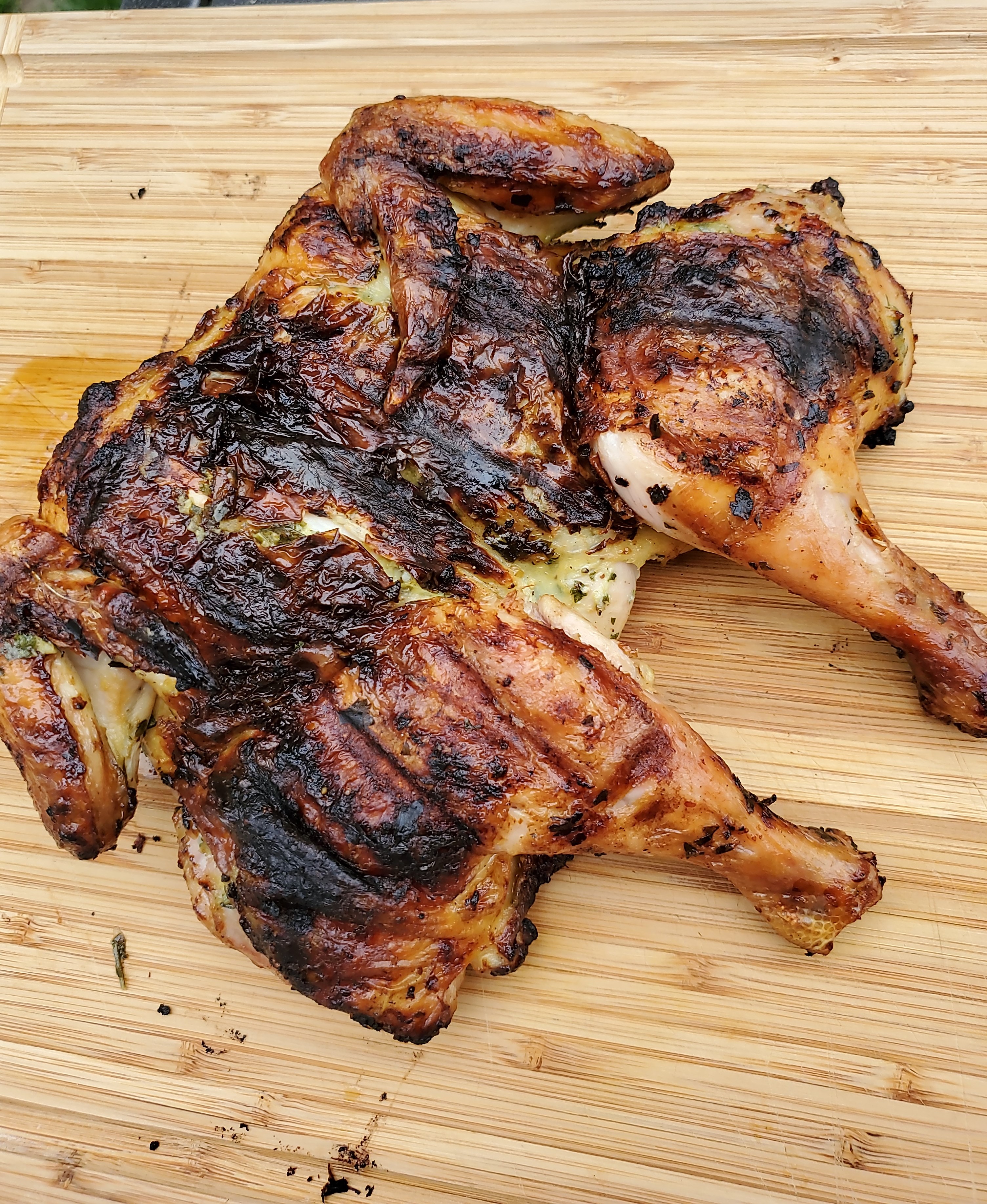
Portuguese “Frango Churrasco” – Barbequed Chicken, is one of the most popular dishes for summer cookouts. There are many different recipes for this dish from...

These classic pastries are everyone’s favorite. Once you experience just how easy they are to make at home, you’ll never buy them at a bakery...
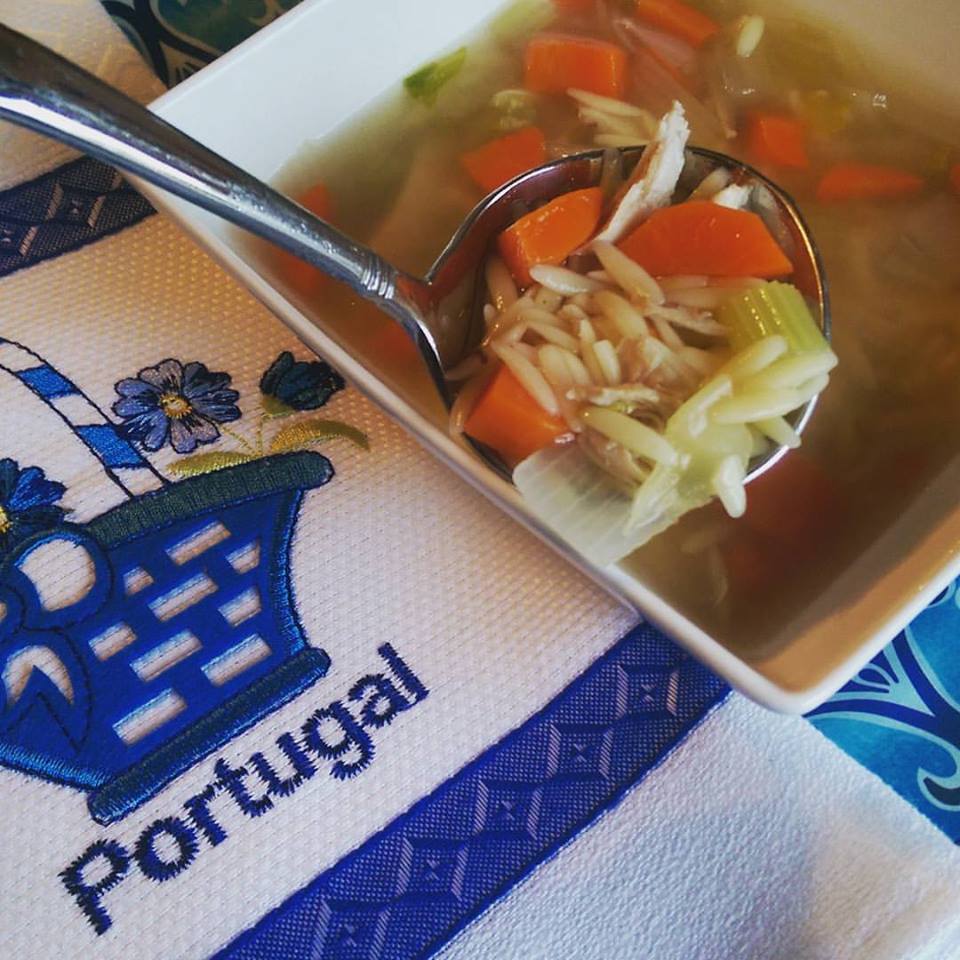
Big Fat Portuguese Wedding Soup When I first saw the movie “My Big Fat Greek Wedding” with my friends many years ago, they laughed hysterically...
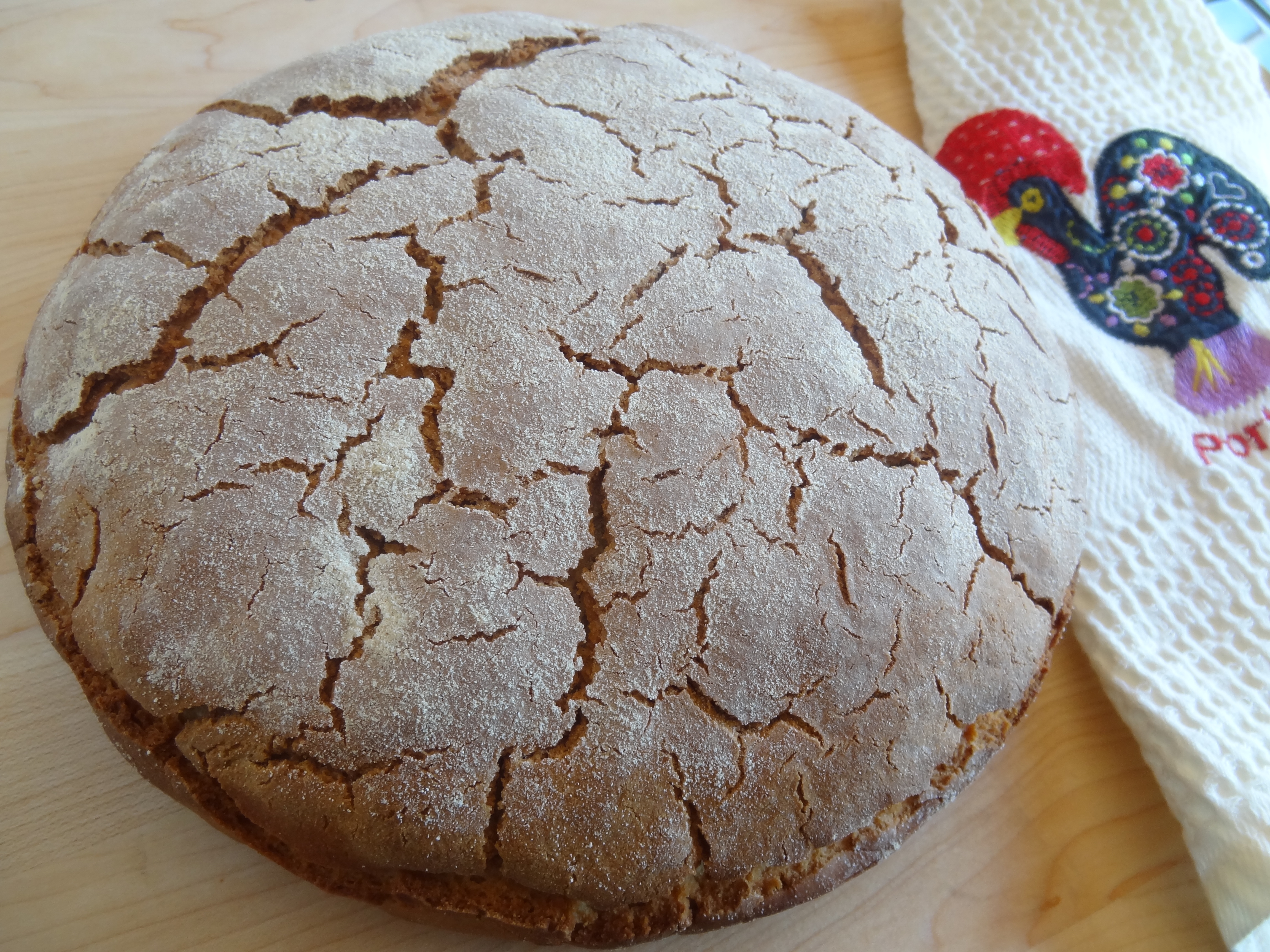
The dog wags his tail, not for you, but for your bread. –Portuguese Proverb Pão de Milho, is my favorite of all the classic Portuguese...
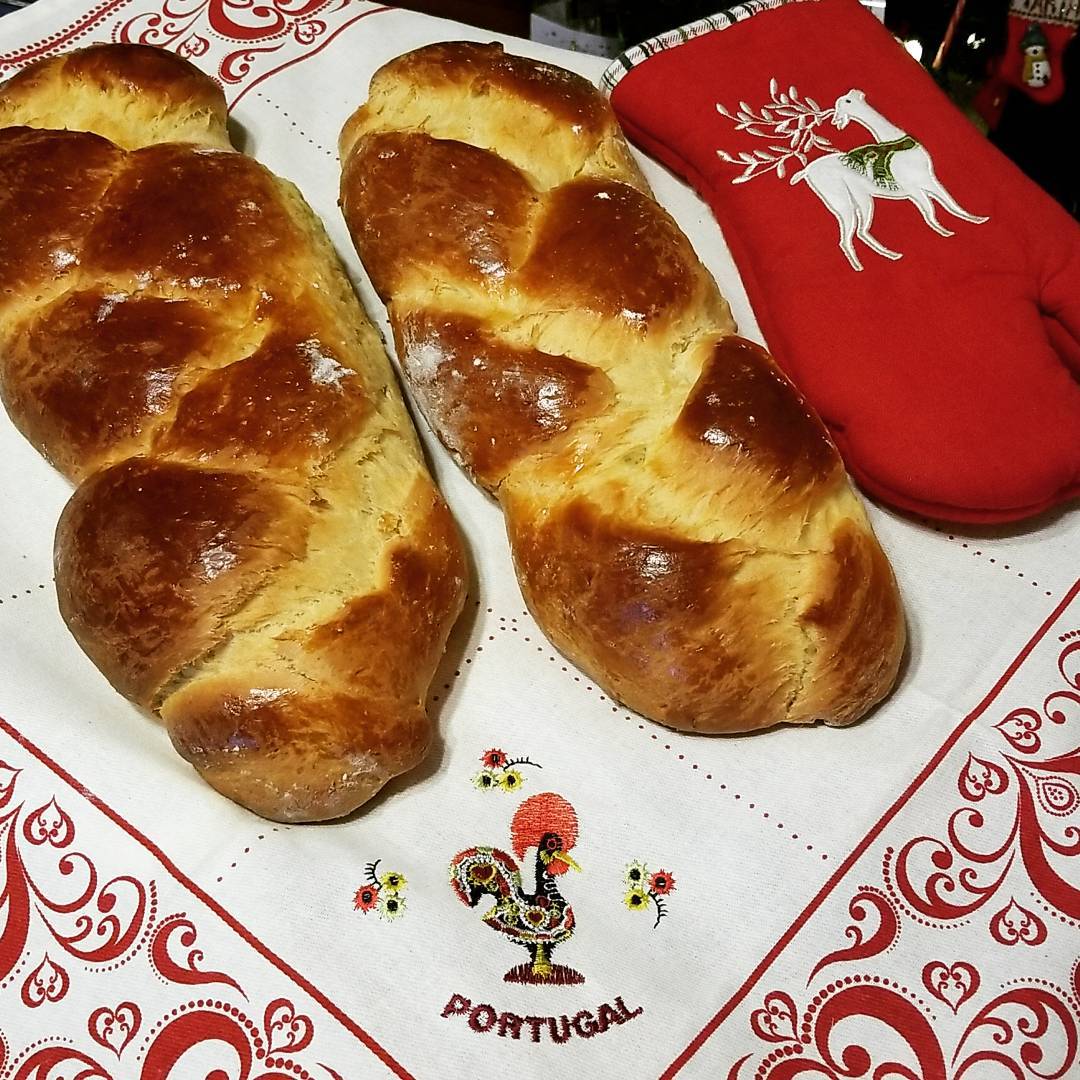
Portuguese Sweet Bread Christmas Braid Watch my video recipe on my Youtube channel Portuguese sweet bread...
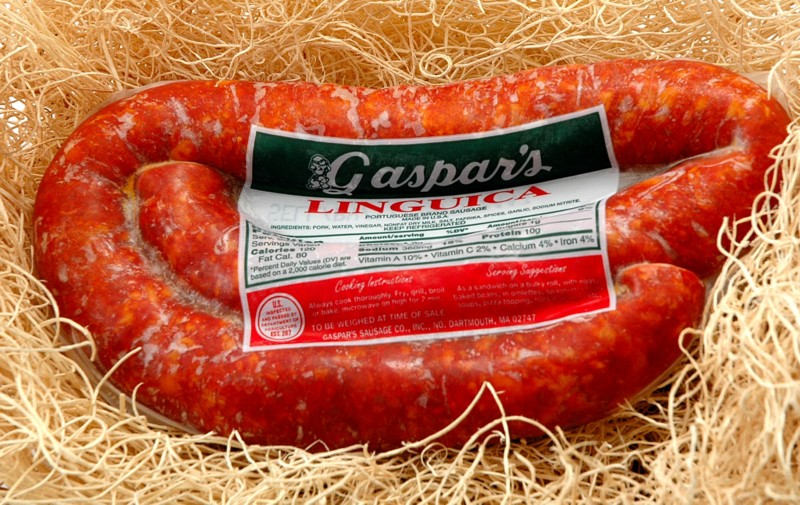
Gaspar’s……”The Portuguese Sausage that the whole world can enjoy!” “You don’t have to be Portuguese to love Linguica and Chourico” When Manuel A. Gaspar...
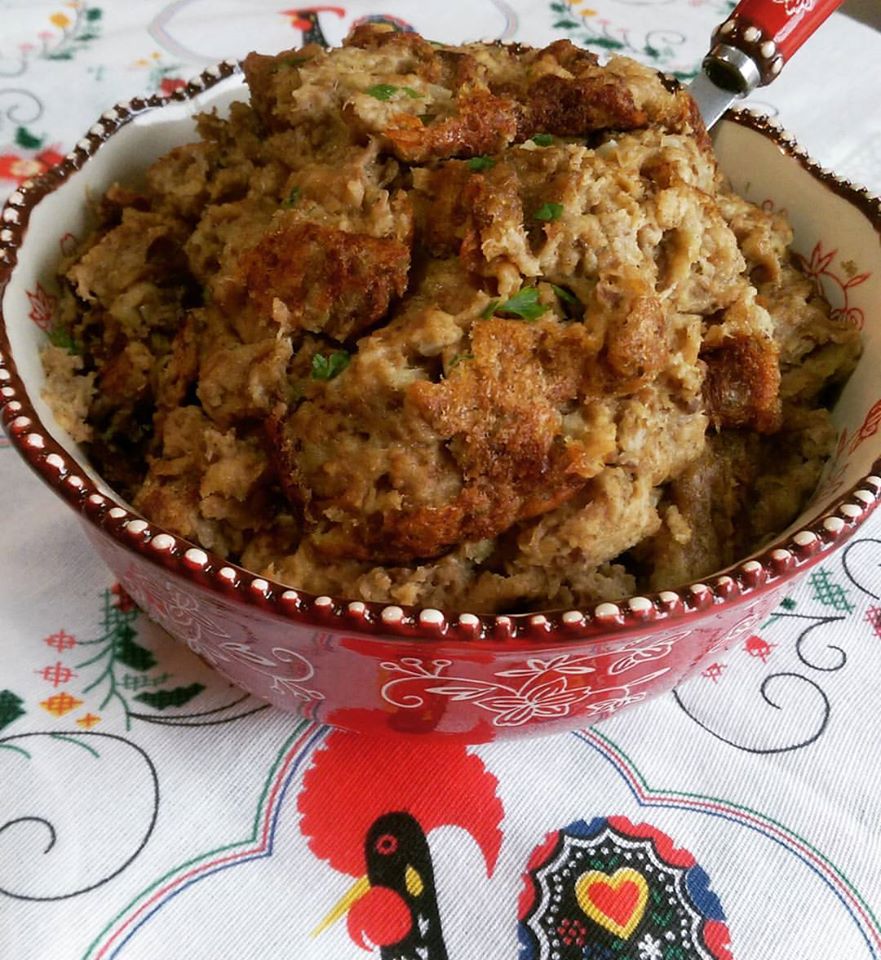
I get many requests from people looking for lost recipes, but especially around the Holidays. There are many reasons why people don’t have their...

Shrimp & Pork Dumplings! This is an easy recipe for all your parties! You will never order dumplings out again once you try this easy...

There’s an old saying in Portugal that says; “Porto works while Lisbon plays”. However during the Festa de Sao Joao – St John’s Festival, which...

Pasteis de Carne Pasteis de Carne are savory meat pies made with puff pastry dough that are perfect for parties, tailgating or anytime! This recipe...
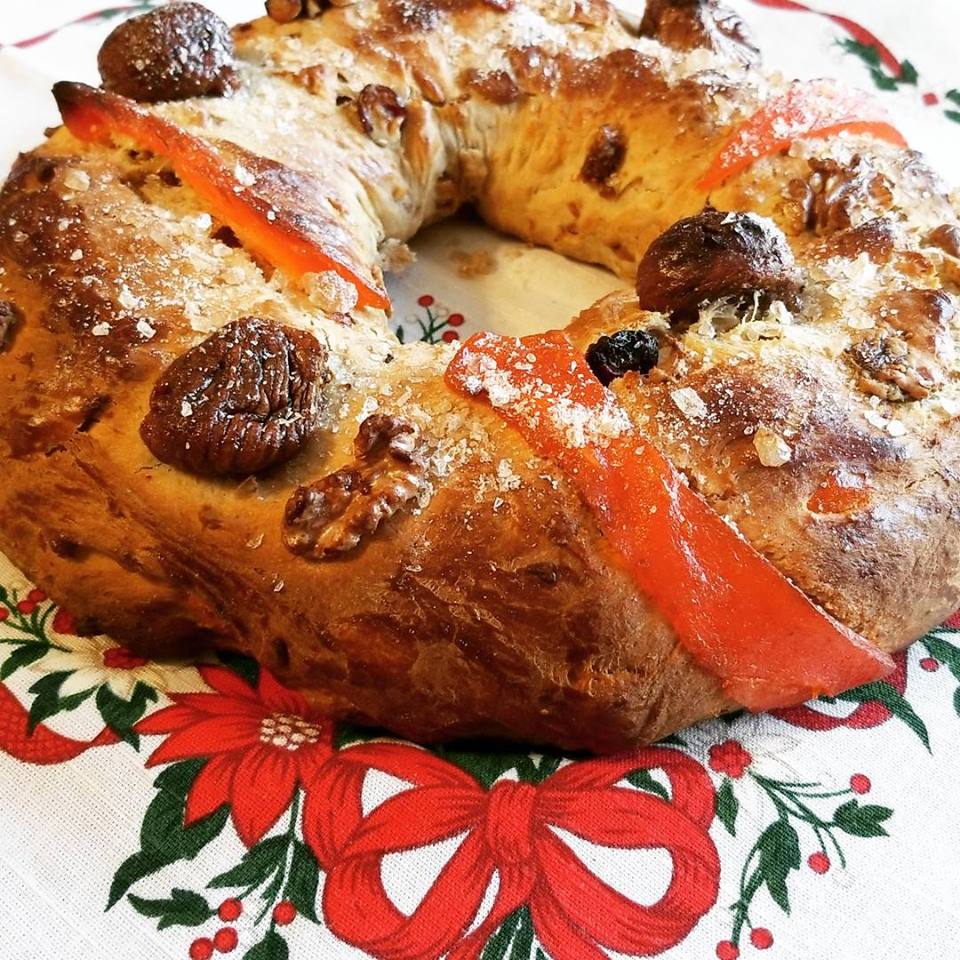
Bolo Rei is Portugal’s king of cakes. It’s traditionally eaten throughout the Christmas season, but mostly on January 6, the twelfth day of Christmas, which...

Pão de Ló – “Sponge Cake” Just as the translation is easy, so is the recipe. This cake is so easy to make that you’ll...
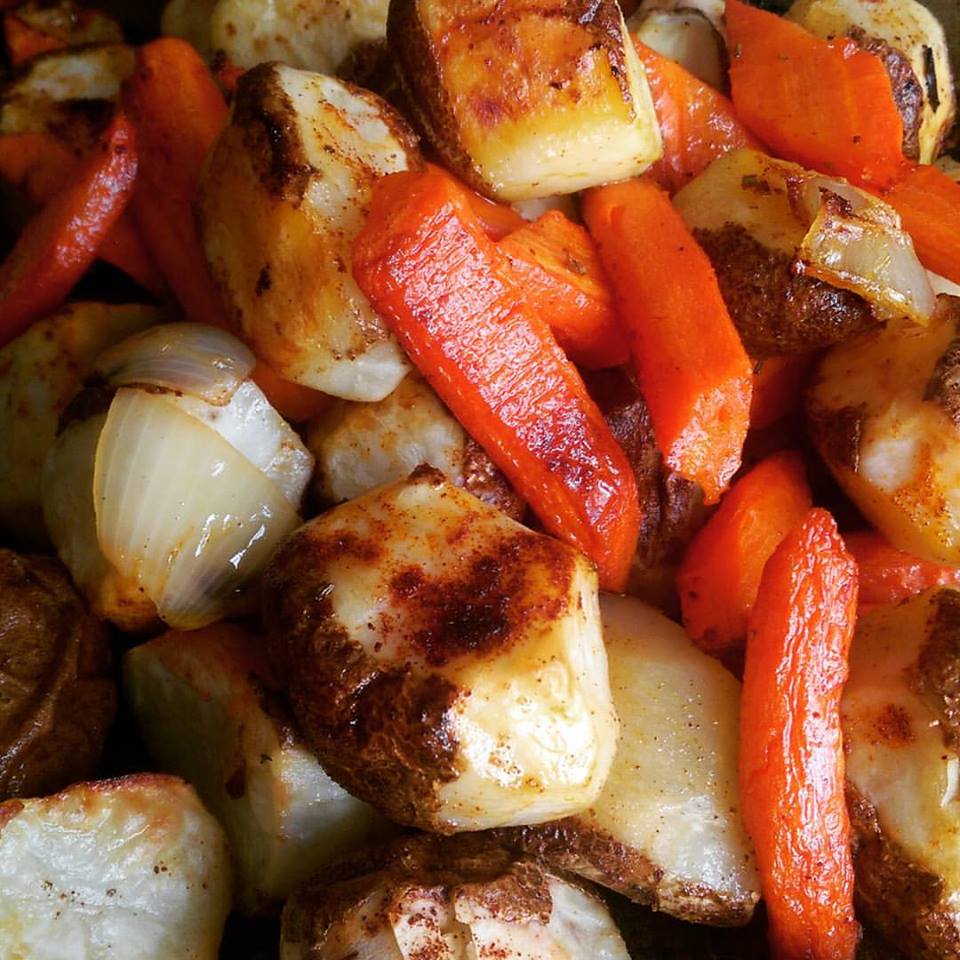
Portuguese Roast potatoes are a hit at every party! They’re a perfect side dish for your roast beef, roast chicken, pork and delicious with your...
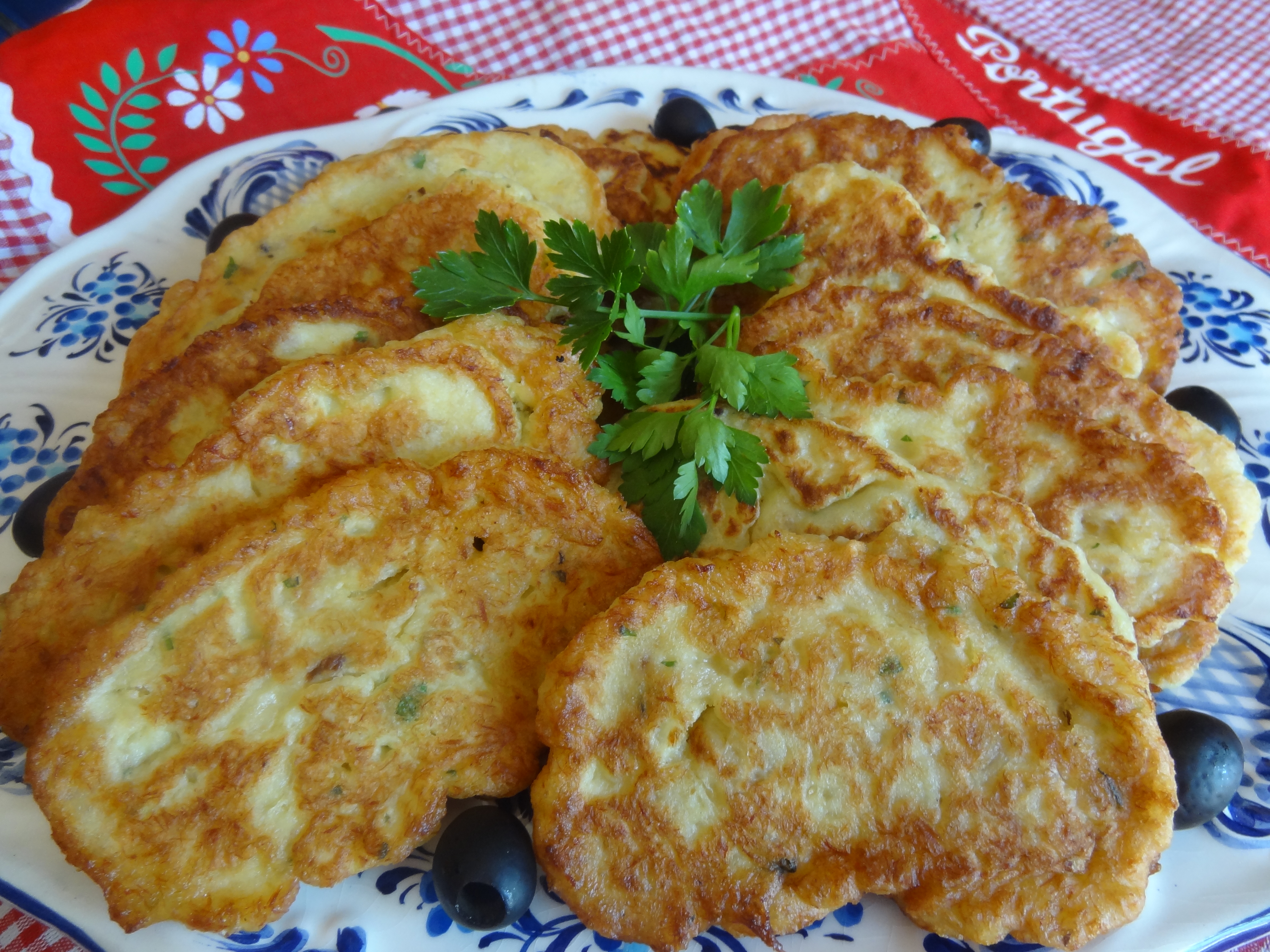
Did you know that there’s an old Portuguese saying? “There are 365 recipes for Bacalhau – one for each day of the year.” Try this...

Sonhos, are light and fluffy doughnut like pastries that melt in your mouth! Generally, they’re served around the Holidays but this popular fried pastry is...
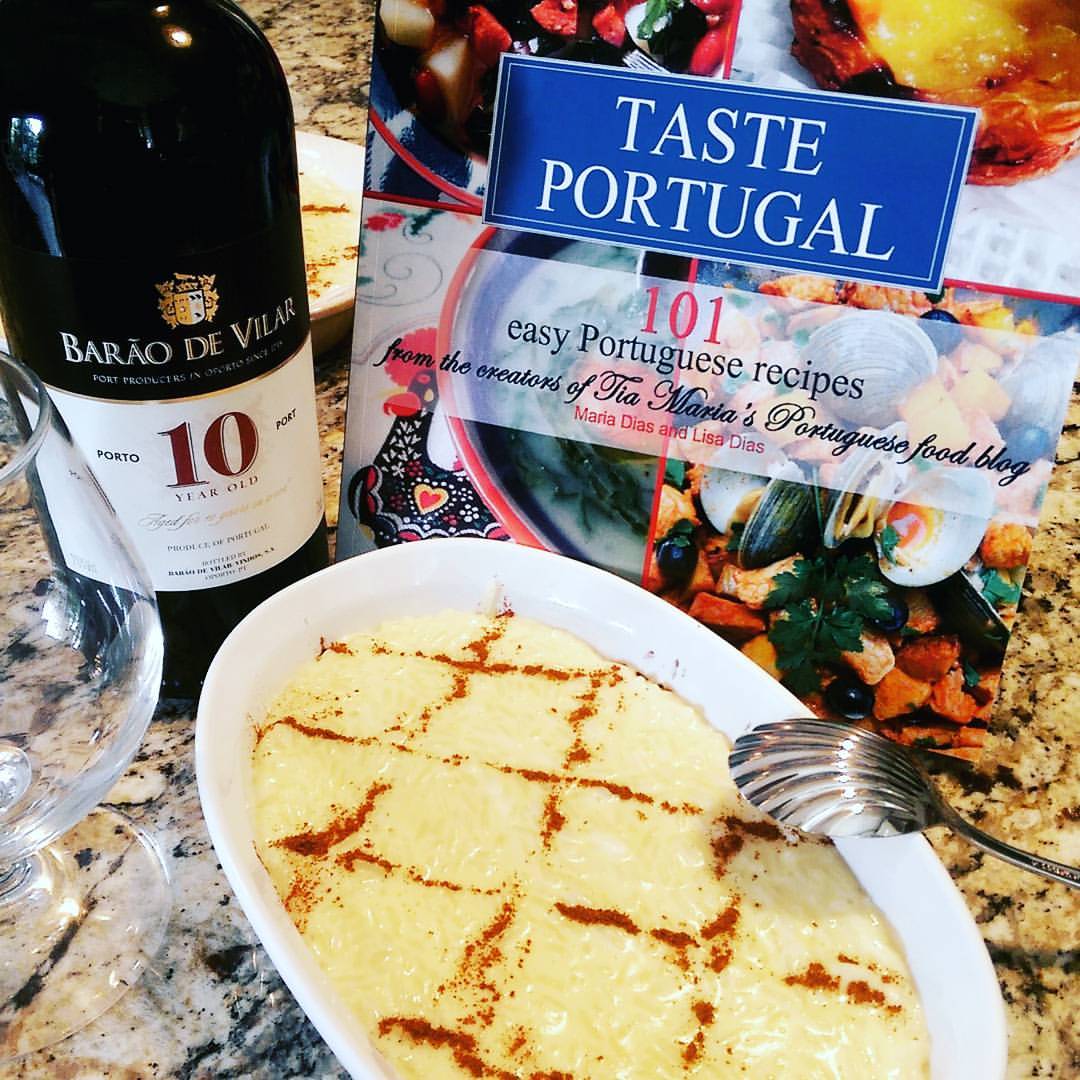
Come on and jump in! It’s delicious! Arroz Doce – Sweet Rice Pudding, has always been my family’s favorite served on Christmas Eve. This...
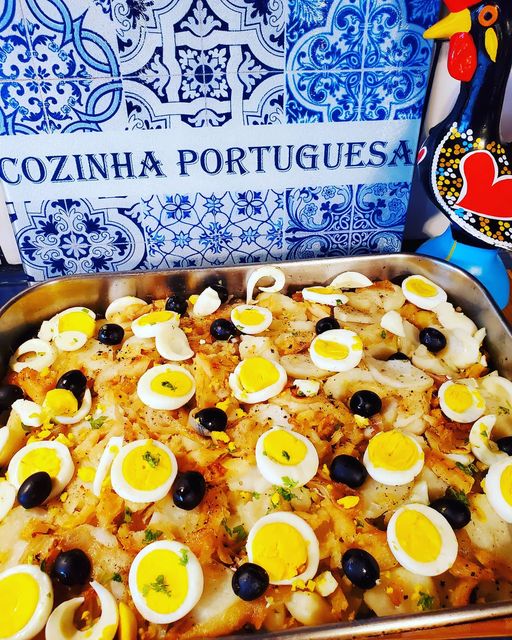
BACALHAU A GOMES DE SA There’s a saying in Portugal; “There’s a recipe using Bacalhau for 365 days of the year”! But this classic, is...

Hi Foodies, It took me years to finally make a good caramel flan until I finally discovered the reason why I wasn’t successful. The...
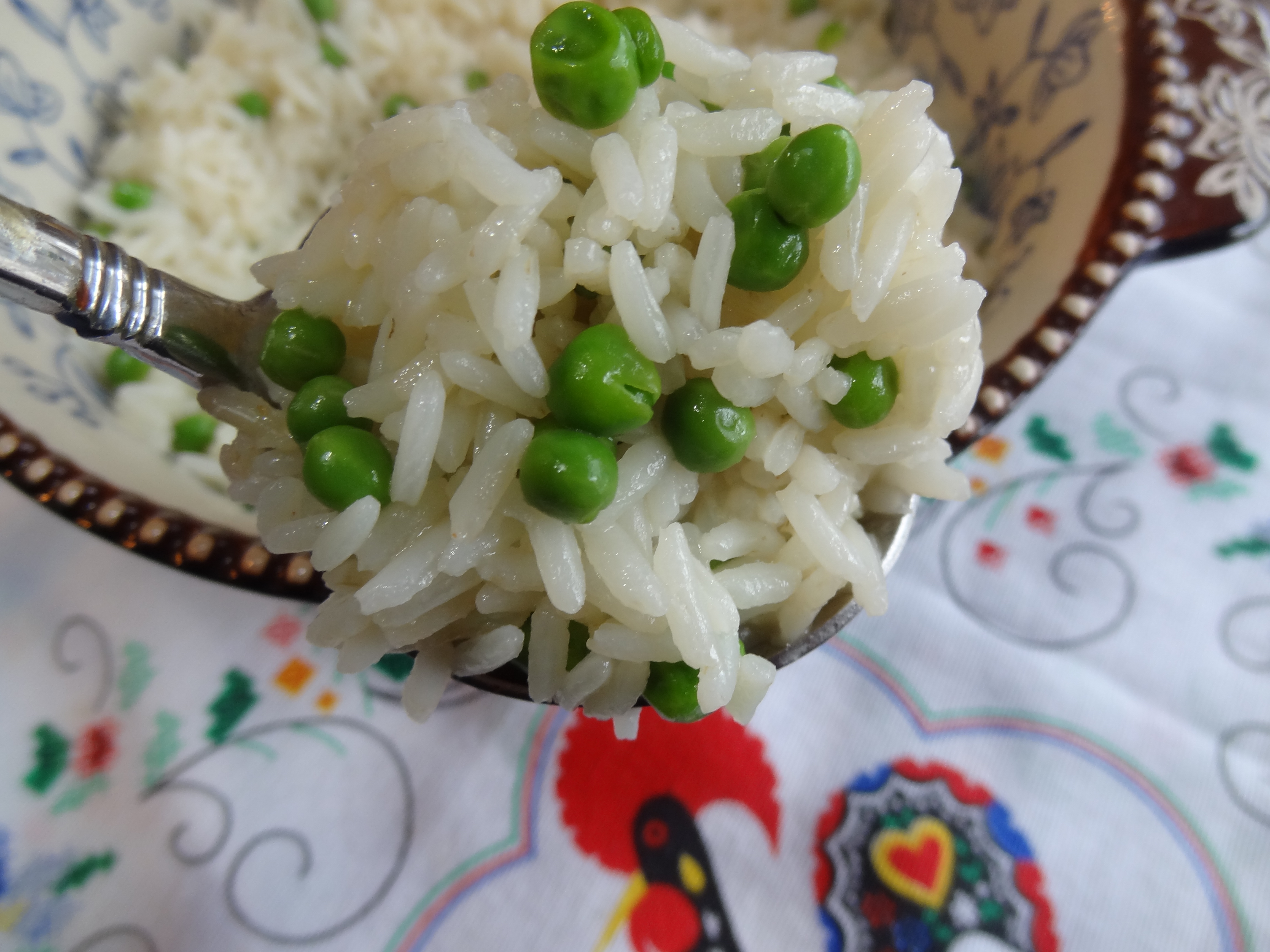
Cooking rice is easy with my easy recipe.
FIRST POST 1-15-2010 Classic Caldo Verde Soup Today we’re going on a journey to Portugal were the classic green soup, “Caldo Verde” is probably...

This easy 5 minute shrimp is so simple. It’s so savory and tender. You won’t believe how tender, savory and delicious it is. You can...

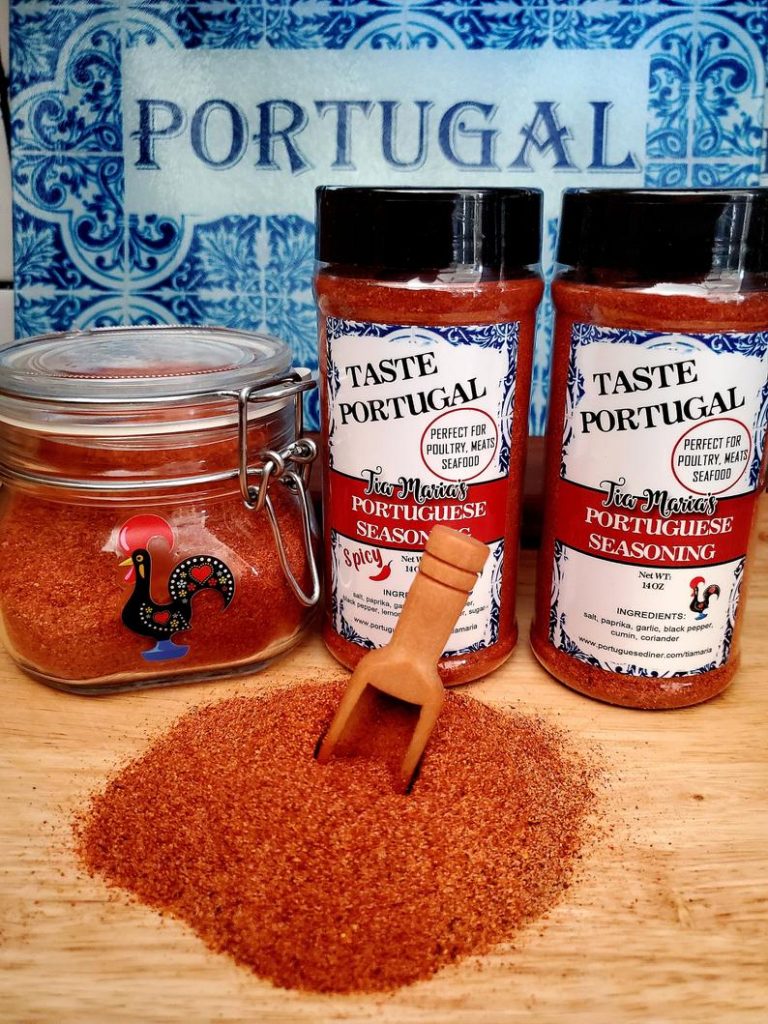
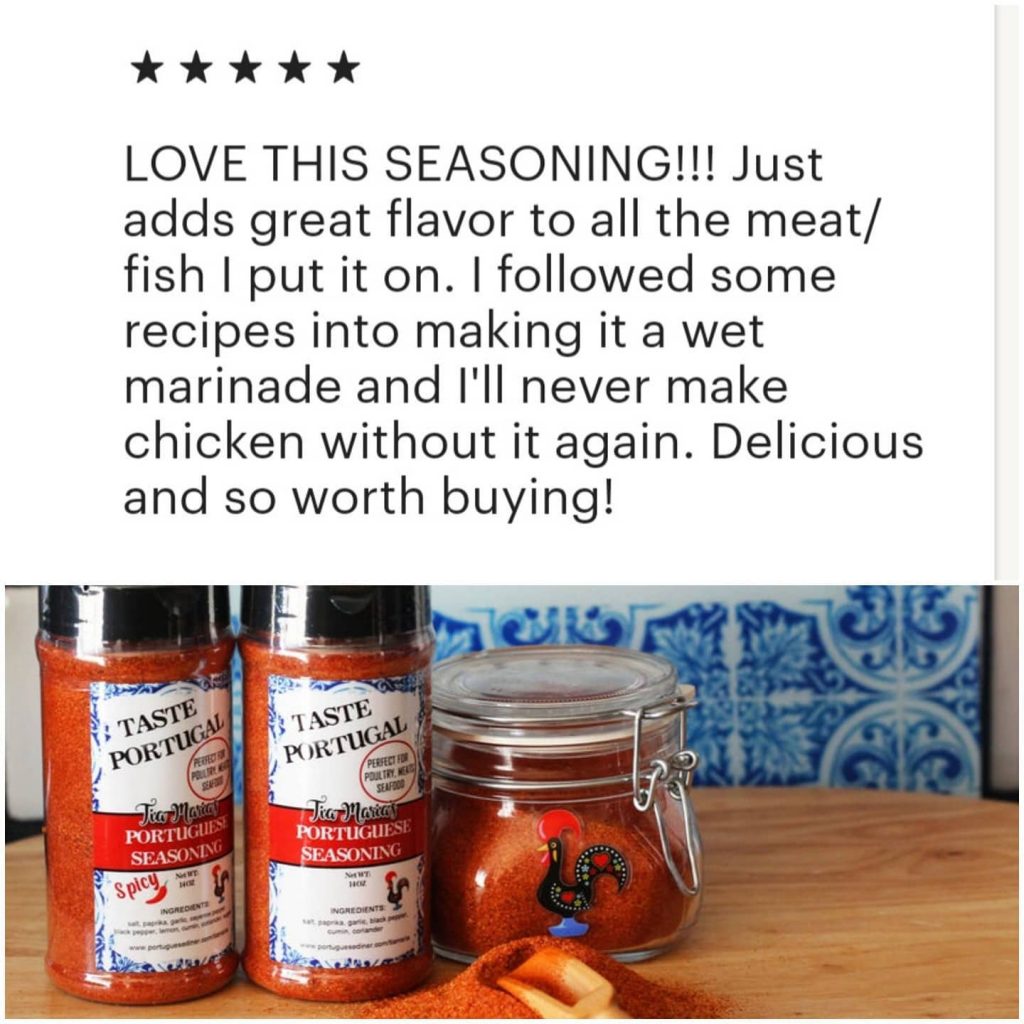
 LISBON BLUE ETSY SHOP
Portuguese Inspired Gifts – Men, Women, Cooks, Mom, Dad, Grandparents
0
LISBON BLUE ETSY SHOP
Portuguese Inspired Gifts – Men, Women, Cooks, Mom, Dad, Grandparents
0 Now available in Canada – Amazon Canada
Buy Taste Portugal cookbook in Canada
Now available in Canada – Amazon Canada
Buy Taste Portugal cookbook in Canada  My appearance on RTP Portuguese TV Notícias do Meu País
Notícias do Meu País – Episódio 9 – RTP Play – RTP – Maria Dias – Tia Maria’s Blog
My appearance on RTP Portuguese TV Notícias do Meu País
Notícias do Meu País – Episódio 9 – RTP Play – RTP – Maria Dias – Tia Maria’s Blog








 Portuguese Inspired Gifts – Men, Women, Cooks, Mom, Dad, Grandparents











 For nearly a century Gaspar’s Sausage Co., Inc. Has been recognized as the largest manufacturer of Portuguese smoked sausage in the United States. Order today! www.gasparssausage.com or call us at 1-800-542-2038
 GONSALVES FOODS
The taste of Portugal here in America Your source for authentic Portuguese products We’re proud to offer a wide selection of authentic Portuguese foods from our Gonsalves and Bom Petisco brands as well as the leading Portuguese brands like Saloio olive
0
GONSALVES FOODS
The taste of Portugal here in America Your source for authentic Portuguese products We’re proud to offer a wide selection of authentic Portuguese foods from our Gonsalves and Bom Petisco brands as well as the leading Portuguese brands like Saloio olive
0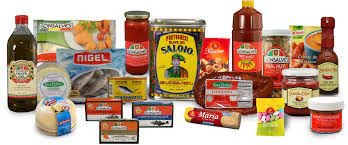



 No Kid Hungry | Share our Strength Help End Child Hunger in America